HeadPowder, a leading provider in the field, offers comprehensive insights into clay sand pneumatic conveying systems. This technology is pivotal for efficiently transporting fine particulate materials like clay sand, which are commonly used in various industrial applications. Understanding the fundamentals of pneumatic conveying is essential for optimizing material handling processes and ensuring operational efficiency.
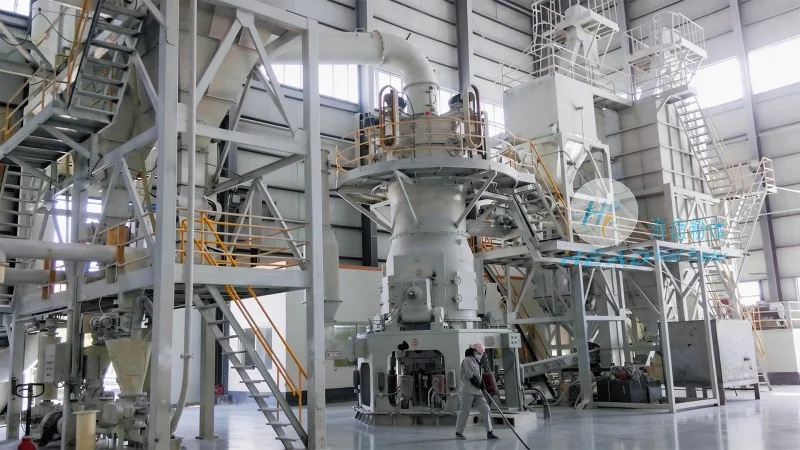
The pneumatic conveying system operates by using a fluid, typically air or gas, to transport bulk materials through a pipeline. In the case of clay sand, the system must be designed to handle the specific properties of this material, such as its fine particle size and potential for dust generation. HeadPowder specializes in developing tailored solutions that address these challenges, ensuring reliable and efficient material transport.
Key components of a pneumatic conveying system include the material feed hopper, the conveyor line, and the air supply system. The feed hopper stores the clay sand and feeds it into the conveyor line under controlled conditions. The conveyor line, often made of durable materials like stainless steel or special alloys, transports the material through the system. The air supply system generates the necessary pressure and flow to move the material along the pipeline. Each component plays a critical role in the overall operation, and proper design and maintenance are crucial for optimal performance.
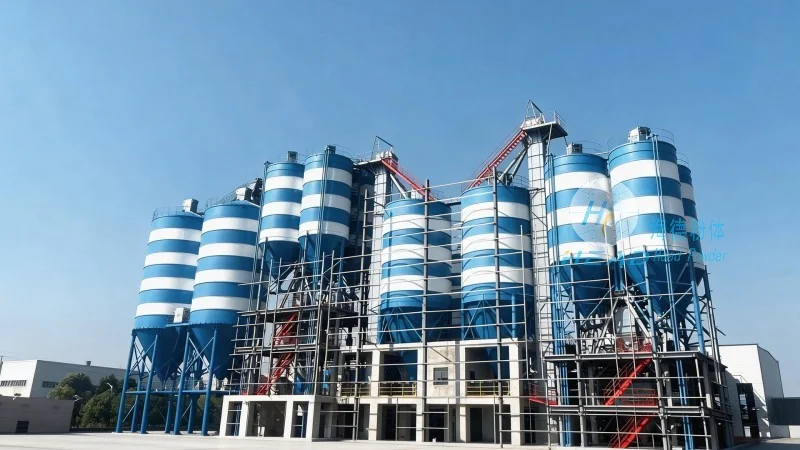
One of the primary advantages of pneumatic conveying for clay sand is its ability to handle fine particles without the need for mechanical components that might cause clogging or wear. This is particularly important for clay sand, which can be abrasive and prone to dust. The system's design minimizes the risk of material degradation and ensures that the clay sand reaches its destination in the desired condition. Additionally, pneumatic conveying systems can be integrated with other processing equipment, such as mixers or classifiers, to create a seamless material handling workflow.
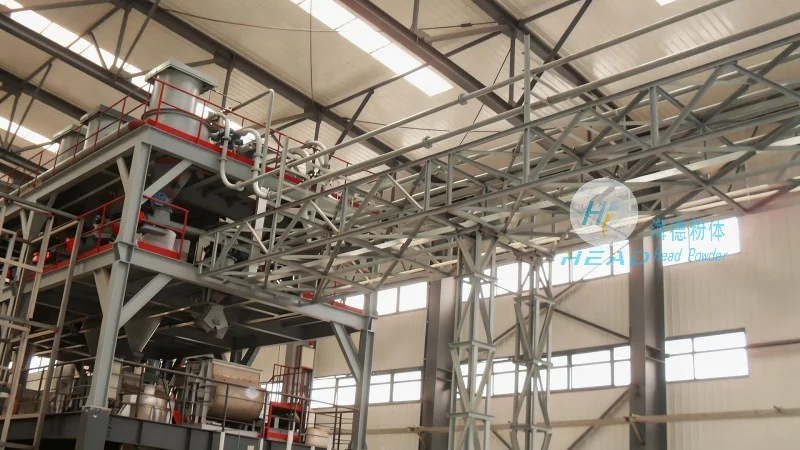
HeadPowder's expertise lies in customizing pneumatic conveying systems to meet the specific needs of clients. By analyzing the characteristics of the clay sand, such as particle size distribution, moisture content, and flowability, the company designs systems that maximize efficiency and minimize operational costs. The company's engineers work closely with clients to understand their production requirements and develop solutions that align with their operational goals.
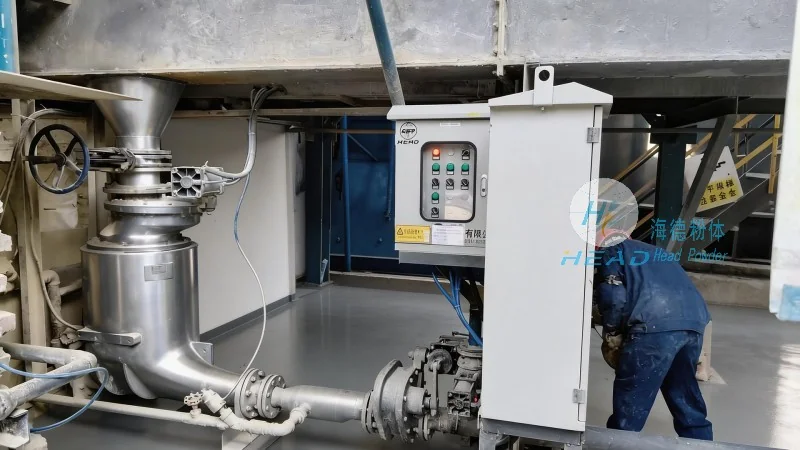
When considering a pneumatic conveying system for clay sand, it is important to evaluate factors such as the system's capacity, pressure requirements, and energy consumption. HeadPowder provides detailed technical specifications and performance data to help clients make informed decisions. The company's commitment to quality and reliability ensures that the systems they deliver meet the highest standards and provide long-term value.
In conclusion, pneumatic conveying is a highly effective method for transporting clay sand, offering advantages in efficiency, flexibility, and material protection. HeadPowder's expertise in this area enables clients to achieve optimal material handling solutions that enhance productivity and reduce operational challenges. By leveraging their knowledge and experience, clients can implement reliable and efficient pneumatic conveying systems that meet their specific needs.




