

Industrial Salt Pneumatic Conveying Overview: Principles of Pneumatic Conveying Systems
Industrial salt, a critical component in various industrial processes, requires efficient and reliable transportation methods to ensure smooth operations. Pneumatic conveying systems have emerged as a preferred solution for handling industrial salt due to their ability to transport bulk materials over long distances with minimal maintenance and operational complexity. This article provides an overview of pneumatic conveying systems, focusing on their application in industrial salt transport and the fundamental principles that govern their operation.
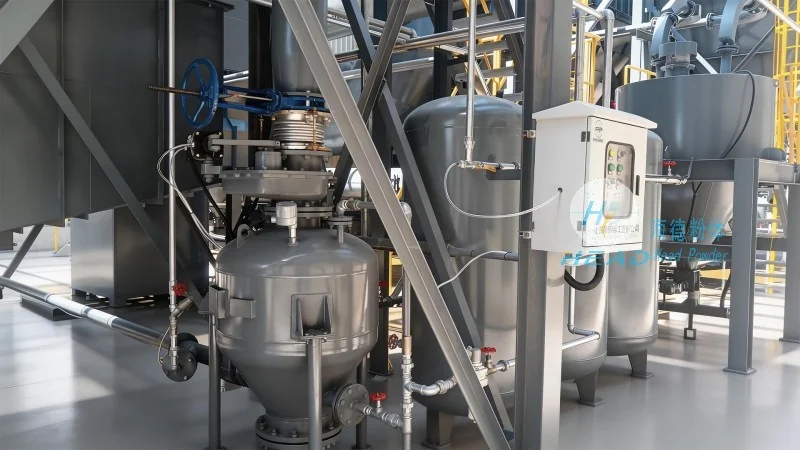
Introduction to Pneumatic Conveying Systems for Industrial Salt
Shandong HeadPowder Engineering Co., Ltd., a leading provider of material handling solutions, specializes in designing and manufacturing pneumatic conveying systems tailored to the unique requirements of industrial salt applications. Based in Shandong, China, the company leverages decades of expertise to deliver robust, high-performance systems that enhance productivity and safety in salt processing facilities. Pneumatic conveying systems offer a versatile and efficient method for transporting industrial salt, which is often characterized by its granular or crystalline structure, making traditional mechanical conveying methods less suitable due to the risk of material degradation or equipment wear.
Principles of Pneumatic Conveying Systems
The core principle of pneumatic conveying is the use of compressed air or other gases to transport bulk materials through a pipeline. In the context of industrial salt, the system typically operates by creating a pressure differential between the inlet and outlet of the conveying line. This differential is achieved by either suction (negative pressure) or pressure (positive pressure) methods. The suction method, also known as vacuum conveying, draws the industrial salt from a hopper or storage bin into the pipeline using a vacuum pump, while the pressure method injects compressed air into the material stream, propelling it through the system.
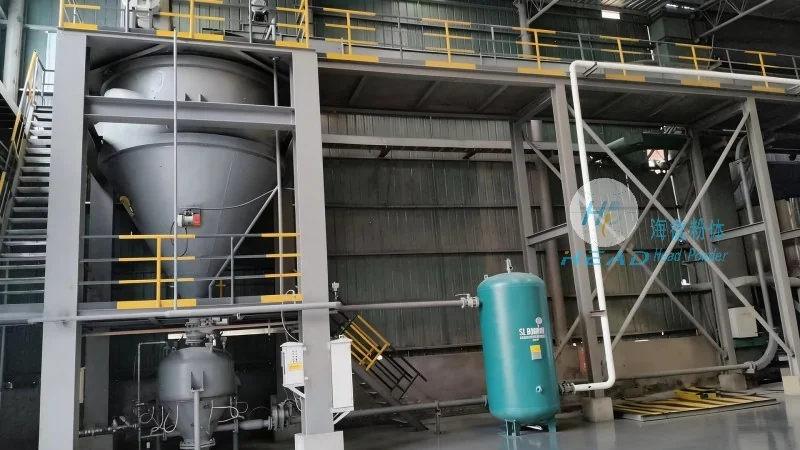
Key components of a pneumatic conveying system for industrial salt include the hopper or storage vessel, which holds the salt; the conveyor line, which transports the material; the air supply system, which provides the necessary pressure or vacuum; and the control system, which regulates the flow and pressure to maintain optimal operation. The selection of the appropriate conveying method—either dense phase or dilute phase—depends on factors such as the material's properties, the distance to be covered, and the desired throughput. Dense phase conveying, which involves transporting the salt in a semi-solid state, is often preferred for industrial salt due to its lower risk of material degradation and reduced wear on the system components.
System Operation and Advantages
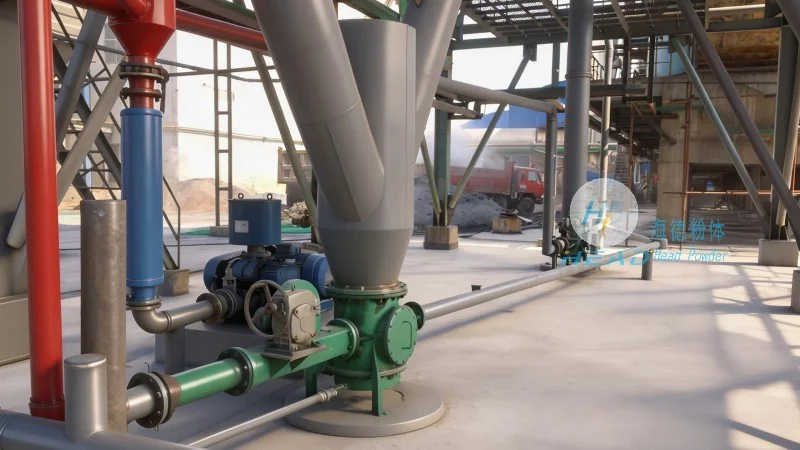
During operation, industrial salt is fed into the hopper, where it is then drawn into the conveyor line by the vacuum or pressure system. The compressed air or vacuum creates a flow that carries the salt particles through the pipeline, ensuring consistent and continuous transport. The system's design, including the diameter and length of the conveyor line, the type of air nozzle or venturi, and the placement of check valves or filters, all contribute to the efficiency and reliability of the process. Pneumatic conveying systems offer several advantages when applied to industrial salt transport, including reduced labor costs, improved safety (as there is no direct human contact with the material), and the ability to handle materials that are difficult to transport via traditional methods. Additionally, these systems can be integrated with other processing equipment, such as crushers or classifiers, to form a complete material handling solution.
Applications and Industry Impact
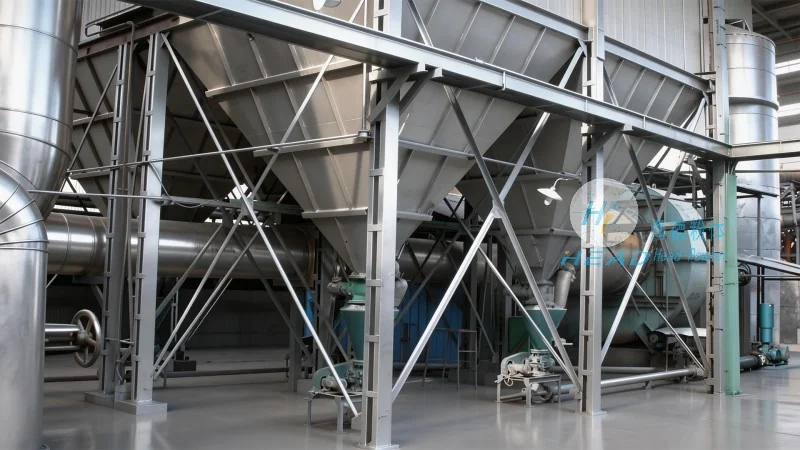
Industrial salt pneumatic conveying systems are widely used in various industries, including food processing, chemical manufacturing, and water treatment. In food processing, the systems ensure hygienic and efficient transport of salt for use in seasoning and preservation. In chemical manufacturing, they facilitate the handling of salt as a raw material for producing other chemicals, such as chlorine or sodium hydroxide. The reliability and efficiency of these systems contribute to increased productivity and reduced downtime in industrial operations, making them an essential component of modern material handling infrastructure.
Conclusion
Shandong HeadPowder Engineering Co., Ltd. continues to innovate in the design and implementation of pneumatic conveying systems for industrial salt applications, leveraging advanced technology and engineering expertise to meet the evolving needs of the industry. By understanding the principles of pneumatic conveying and the specific requirements of industrial salt, companies can optimize their material handling processes, enhance operational efficiency, and ensure the safe and reliable transport of this critical bulk material. The integration of these systems into industrial facilities not only improves productivity but also contributes to a more sustainable and efficient approach to material handling.