White carbon black, a vital additive in numerous industrial applications, often demands efficient and reliable material handling solutions. Pneumatic conveying systems have become a preferred method for transporting white carbon black due to their adaptability and effectiveness. This article provides an overview of white carbon black pneumatic conveying and explains the fundamental principles behind pneumatic conveying systems, highlighting the expertise of Shandong HeadPowder Engineering Co., Ltd., a leading enterprise based in China.
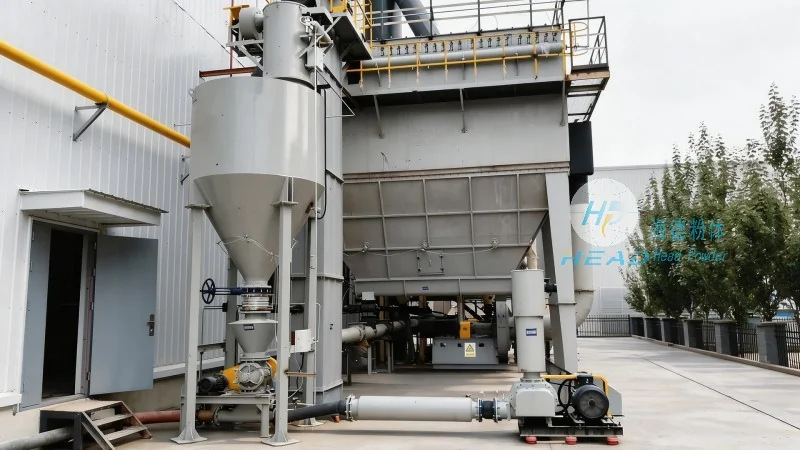
Understanding Pneumatic Conveying Systems
Pneumatic conveying systems leverage air or gas to transport bulk materials, including white carbon black, through a network of pipes. These systems operate by creating a pressure differential to move material from a source to a destination. There are two main types of pneumatic conveying: positive pressure and negative pressure systems. Positive pressure systems force air and material through the pipeline, while negative pressure systems draw material into the system using a vacuum. The selection between these systems depends on factors such as material properties, distance, and system complexity.
Key Components of Pneumatic Conveying Systems
Effective pneumatic conveying for white carbon black relies on several critical components. The feed hopper or feeder introduces the material into the system, ensuring a consistent flow. The air compressor or vacuum pump generates the necessary pressure or vacuum to move the material. The pipeline network connects the components and transports the material. A separation or collection unit removes the material from the air stream, often with a filter to capture fine particles. Finally, the discharge device delivers the material to its final destination.
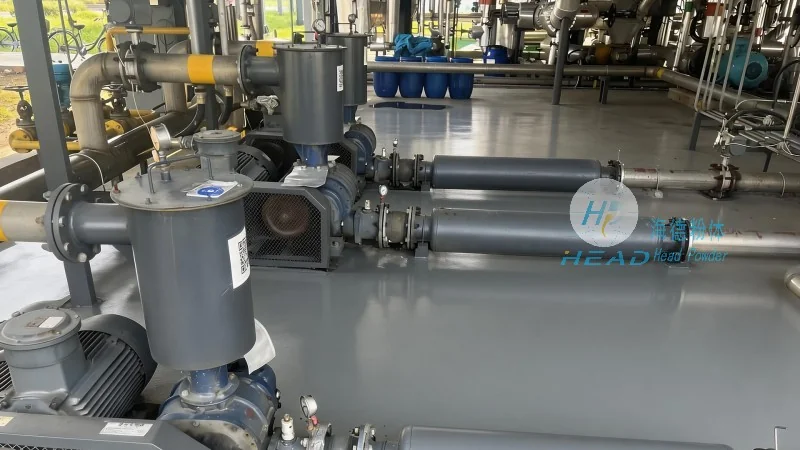
Application of White Carbon Black in Pneumatic Conveying
White carbon black, characterized by its fine particle size and high surface area, presents unique challenges in pneumatic conveying. Its abrasive nature and tendency to generate dust require specialized equipment to maintain efficiency and prevent system wear. The material's density and flow characteristics also influence the design of the conveying system. Properly engineered pneumatic conveying systems can handle these challenges, ensuring stable and continuous transport of white carbon black.
Benefits of Using Pneumatic Conveying for White Carbon Black
Implementing pneumatic conveying for white carbon black offers several advantages. Firstly, it provides a closed system, reducing dust emissions and improving workplace safety. This is particularly important for white carbon black, which can be hazardous if inhaled. Secondly, pneumatic conveying is highly efficient, allowing for high material throughput over long distances. Thirdly, it minimizes material degradation, as the material is not exposed to mechanical stress or environmental factors during transport. Additionally, the system is flexible, allowing for easy integration with existing production lines.
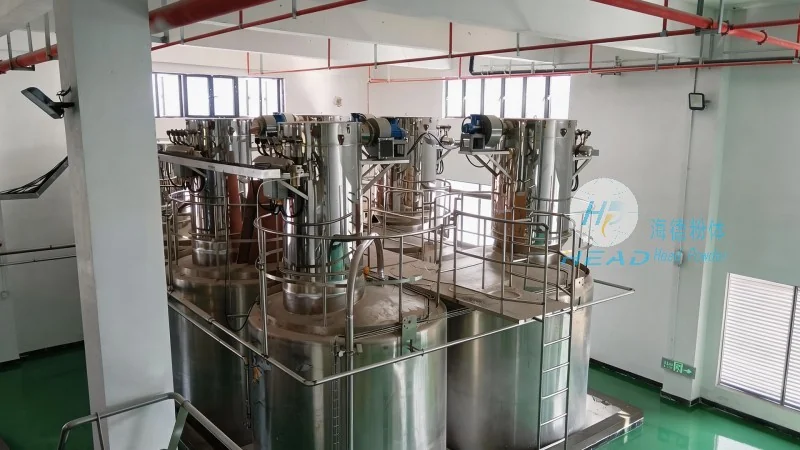
Technical Considerations for White Carbon Black Pneumatic Conveying
Several technical factors must be considered when designing a pneumatic conveying system for white carbon black. The particle size distribution and moisture content of the material affect the system's performance. Larger particles may require higher air velocities to prevent clogging, while moisture can lead to clumping and reduced flowability. The distance between the source and destination, as well as the number of turns and bends in the pipeline, also impact the system's design. Proper sizing of the air compressor and selection of pipeline diameter are critical to achieving optimal conveying efficiency.
Conclusion
In conclusion, pneumatic conveying systems offer a robust and efficient solution for handling white carbon black. The expertise of companies like Shandong HeadPowder Engineering Co., Ltd. in designing and implementing these systems ensures that industrial processes can benefit from improved material handling, enhanced safety, and increased productivity. As the demand for white carbon black continues to grow, the adoption of advanced pneumatic conveying technologies will remain essential for maintaining operational efficiency and meeting industry standards.




