For industries dealing with bulk materials like stone powders, efficient material handling is crucial for operational efficiency and cost-effectiveness. Pneumatic conveying systems offer a reliable solution for transporting such materials, and understanding their working principles is essential for selecting the right equipment and optimizing processes. This article provides an overview of stone powder pneumatic conveying and explains the fundamental mechanisms behind pneumatic conveying systems.
Understanding Pneumatic Conveying Systems
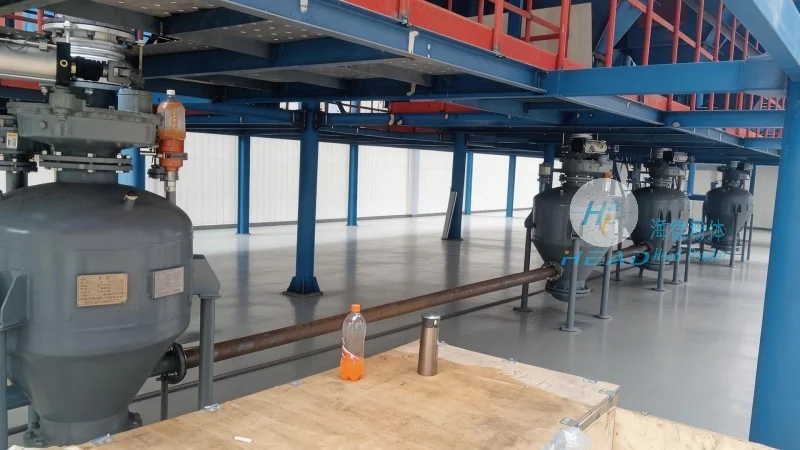
Pneumatic conveying systems utilize air or other gases to transport bulk materials through a pipeline network. These systems are widely used in various industries, including mining, construction, and chemical processing, due to their ability to handle a wide range of materials, including fine powders like stone powder. The core components of a typical pneumatic conveying system include a material feed hopper, a conveyor line, a dust collector, and a control system. The system operates by creating a pressure differential between the inlet and outlet of the conveyor line, which propels the material along the pipeline using the force of the moving air.
Key Components of a Pneumatic Conveying System
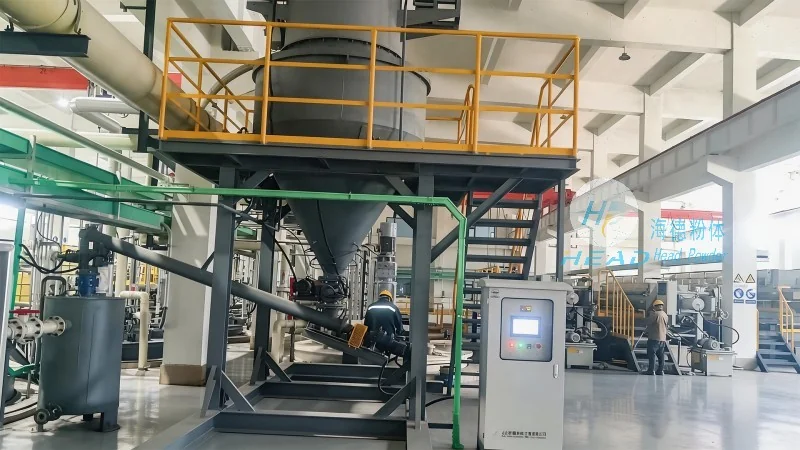
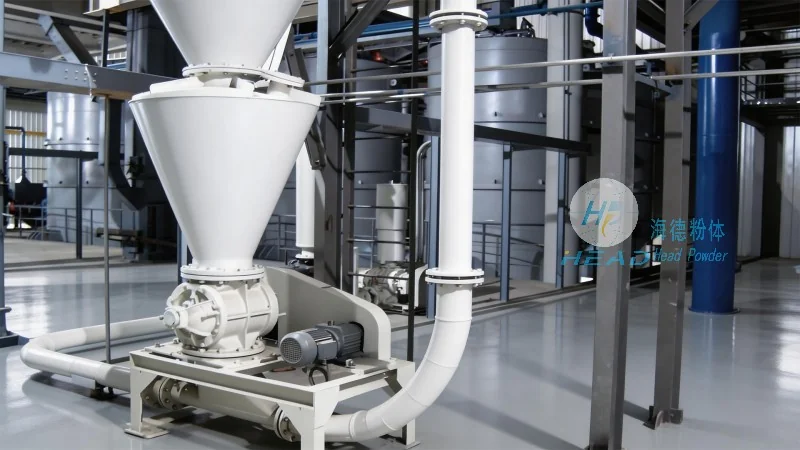
The performance and efficiency of a pneumatic conveying system depend on several key components. The material feed hopper is responsible for storing and feeding the stone powder into the system, ensuring a consistent flow of material. The conveyor line, typically made of stainless steel or other corrosion-resistant materials, is the main pathway for material transport. It is designed to withstand the pressure and friction caused by the moving material and air. The dust collector plays a critical role in maintaining air quality and preventing dust emissions, which is particularly important when handling fine powders like stone powder. The control system monitors and regulates the operation of the conveyor, ensuring smooth and safe material transport.
Working Principle of Pneumatic Conveying for Stone Powder
When transporting stone powder using a pneumatic conveying system, the process begins with the material being fed into the hopper. The system then uses a blower or compressor to generate a flow of air through the conveyor line. The air velocity is carefully controlled to ensure that the stone powder particles are entrained and carried along the pipeline. The pressure differential created by the moving air propels the material forward, while the dust collector captures any fine particles that may escape, preventing contamination and maintaining air quality. The system's design, including the air velocity and pressure, is optimized to handle the specific characteristics of stone powder, such as particle size, density, and moisture content.
Benefits of Pneumatic Conveying for Stone Powder Handling
Implementing a pneumatic conveying system for stone powder offers several advantages over traditional methods like belt conveyors or manual handling. One of the primary benefits is the ability to transport materials in a closed system, which reduces dust emissions and improves workplace safety. This is particularly important for fine powders like stone powder, which can be hazardous if inhaled. Additionally, pneumatic conveying systems are more flexible and can be easily integrated into existing production lines, allowing for seamless material transfer between different processes. The system's compact design also saves space, making it suitable for facilities with limited floor area. Furthermore, pneumatic conveying systems are highly efficient, with minimal material loss and low maintenance requirements, leading to cost savings over time.
Applications of Pneumatic Conveying in Stone Powder Industries
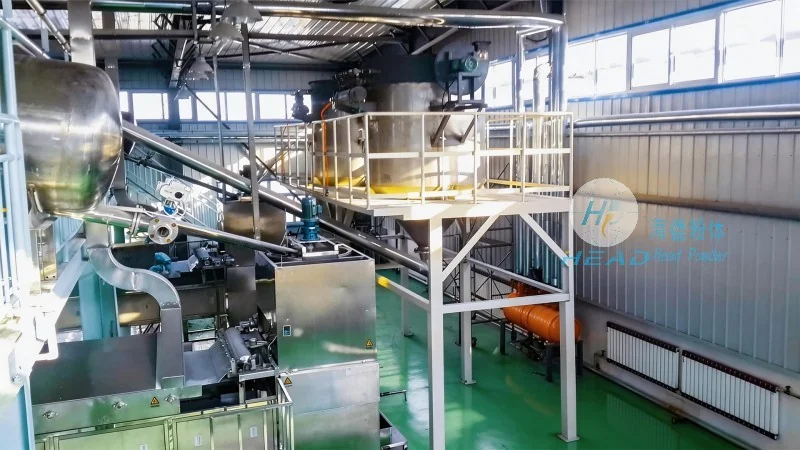
Pneumatic conveying systems are widely used in various applications involving stone powder. In the construction industry, they are used to transport cement, lime, and other fine powders to mixing plants and storage silos. In the mining industry, they are employed to transport ore powders from processing plants to storage facilities or for further processing. The chemical industry also utilizes pneumatic conveying systems to transport raw materials and finished products, ensuring a clean and efficient transfer process. The versatility of pneumatic conveying systems makes them suitable for a wide range of applications, from small-scale operations to large industrial facilities.
Conclusion
Pneumatic conveying systems provide an efficient and reliable solution for transporting stone powder and other bulk materials. By understanding the working principles and key components of these systems, industries can optimize their material handling processes, improve safety, and reduce operational costs. As a leading provider of engineering solutions, Shandong HeadPowder Engineering Co., Ltd. specializes in designing and manufacturing custom pneumatic conveying systems tailored to the specific needs of clients. With a focus on quality and innovation, HeadPowder offers comprehensive solutions for material handling challenges, ensuring that clients achieve optimal performance and efficiency in their operations.




