

Introduction to Polyethylene Powder Pneumatic Conveying and the Working Principle of Pneumatic Conve
Efficient material handling is a critical factor for industries that process polyethylene powder. Pneumatic conveying systems offer a reliable and efficient solution for transporting this material. This article provides an overview of polyethylene powder pneumatic conveying and explains the fundamental working principles behind such systems, with a focus on the expertise of Shandong HeadPowder Engineering Co., Ltd., a leading provider in the field.
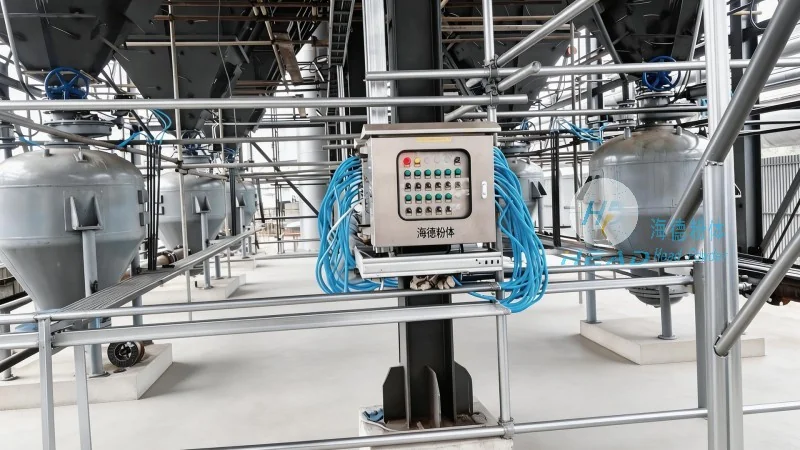
Understanding Polyethylene Powder Pneumatic Conveying
Polyethylene powder is widely utilized in sectors like plastic manufacturing, packaging, and construction. Handling this powder requires specialized equipment to ensure safety, precision, and minimal product degradation. Pneumatic conveying systems leverage air or gas to transport polyethylene powder through a network of pipes, delivering a dust-free and flexible material transport solution that meets the demands of modern industrial processes.
The Working Principle of Pneumatic Conveying Systems
Pneumatic conveying systems operate on the principle of utilizing air pressure to move solid materials. For polyethylene powder, the system typically comprises a blower or compressor to generate airflow, a hopper or feeder to introduce the powder, and a series of pipes to guide the material to its destination. The process involves creating a pressure differential between the inlet and outlet, allowing the powder to be carried by the air stream. Two primary types exist: pressure systems, which use compressed air to push the material forward, and vacuum systems, which employ a vacuum to pull the material through the system.
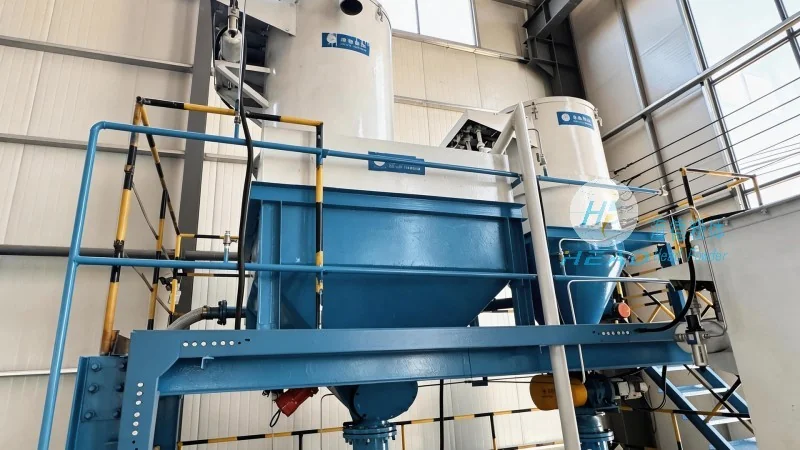
Key Components of a Polyethylene Powder Pneumatic Conveying System
Several critical components work in concert to ensure the smooth operation of a polyethylene powder pneumatic conveying system. These include the air source (blower or compressor), the material feeder (hopper or rotary valve), the conveying lines (pipes), and the control system. The air source provides the necessary pressure or vacuum to facilitate material transport. The feeder regulates the flow rate of polyethylene powder into the system, preventing overloading and ensuring consistent performance. The conveying lines are engineered to accommodate the specific characteristics of polyethylene powder, such as particle size and density. The control system monitors and adjusts the system's operation to maintain optimal efficiency.
Benefits of Using Pneumatic Conveying for Polyethylene Powder
Implementing a pneumatic conveying system for polyethylene powder offers numerous advantages. First, it creates a dust-free environment, which is vital for preserving product quality and ensuring workplace safety. Second, the system is highly adaptable and can be seamlessly integrated into existing production lines. Third, it minimizes the risk of product contamination and degradation compared to alternative material handling methods. Additionally, pneumatic conveying systems can handle a wide range of particle sizes and flow rates, making them suitable for diverse industrial applications.
Applications of Polyethylene Powder Pneumatic Conveying
Pneumatic conveying systems for polyethylene powder are employed across various industries. In the plastic manufacturing sector, they are used to transport raw materials to processing equipment. In the packaging industry, they facilitate the movement of finished products from production lines to storage or shipping areas. In the construction industry, they handle polyethylene-based materials for building applications. The versatility of pneumatic conveying systems makes them a preferred choice for industries seeking efficient and reliable material handling solutions.
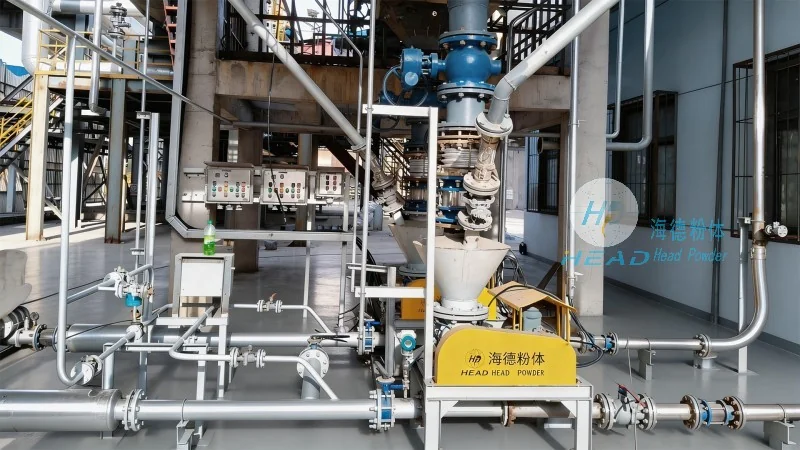
Expertise from Shandong HeadPowder Engineering Co., Ltd.
Shandong HeadPowder Engineering Co., Ltd., based in China, specializes in designing and manufacturing high-quality pneumatic conveying systems tailored to the needs of polyethylene powder handling. With years of experience and a commitment to innovation, the company provides customized solutions that enhance operational efficiency and product integrity. Their expertise ensures that industries can rely on robust, reliable systems that meet the stringent requirements of modern manufacturing processes.
Conclusion
Polyethylene powder pneumatic conveying systems are indispensable for modern industrial operations. By understanding the working principles and benefits of such systems, industries can optimize their material handling processes and improve overall productivity. With the right equipment and professional guidance from companies like Shandong HeadPowder Engineering Co., Ltd., businesses can achieve efficient, safe, and cost-effective material transport solutions for polyethylene powder.