

Several Solutions for the Pneumatic Conveying of Barium Sulfate
Barium sulfate, a crucial industrial material widely used in various applications such as pharmaceuticals, coatings, and ceramics, often requires efficient and reliable transportation methods. Pneumatic conveying systems have emerged as a preferred solution for handling this material due to their ability to minimize dust exposure and enhance operational safety. This article explores several effective solutions for the pneumatic conveying of barium sulfate, highlighting key considerations and practical implementations.
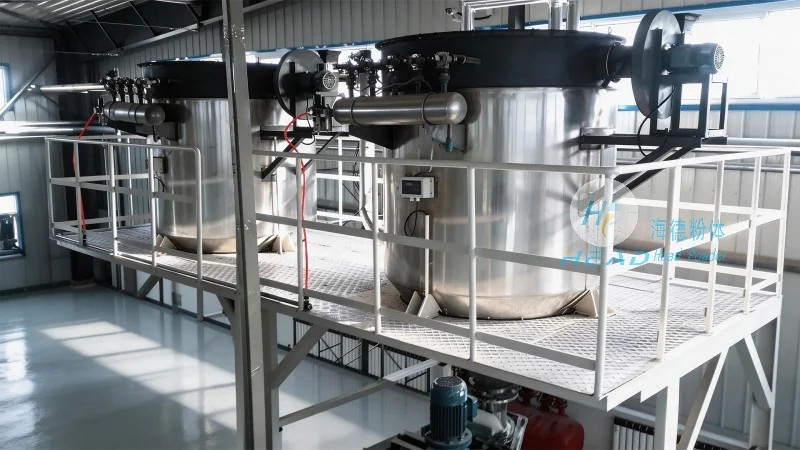
Understanding Pneumatic Conveying Systems
Pneumatic conveying involves the transport of bulk materials through a pipeline using air or gas as the conveying medium. For barium sulfate, which is typically a fine powder, the choice of system design is critical to ensure optimal performance. Two primary types of pneumatic conveying systems are commonly employed: dilute-phase and dense-phase systems. Dilute-phase systems use higher air velocities to keep particles suspended in the air stream, while dense-phase systems operate at lower velocities, allowing particles to settle and form a slurry-like flow. The selection between these systems depends on factors like material properties, distance of transport, and required flow rates.
Key Considerations for Barium Sulfate Conveying
When designing a pneumatic conveying system for barium sulfate, several key considerations must be addressed to ensure efficiency and safety. First, the material's particle size and flowability are critical. Barium sulfate particles are often fine and can be prone to agglomeration, which may affect the conveying process. Proper conditioning, such as adding a small amount of moisture or using a fluidizer, can improve flow characteristics. Second, the system must be designed to handle the material's density and bulk density. Barium sulfate has a relatively high bulk density, which influences the required air volume and pressure. Third, dust control is paramount. Pneumatic conveying can generate significant dust, posing health and safety risks. Implementing dust collection systems, such as cyclones or baghouses, is essential to maintain a safe working environment. Additionally, the system must be constructed from materials compatible with barium sulfate, as the material can be abrasive and may cause corrosion over time.
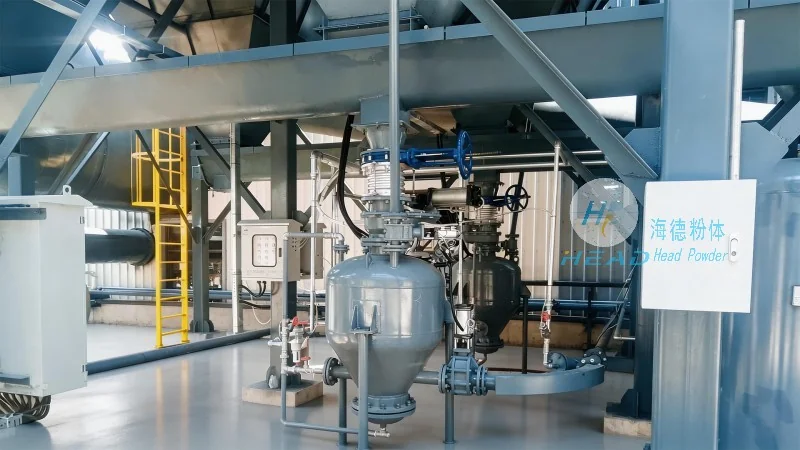
Solution 1: Dilute-Phase Pneumatic Conveying
Dilute-phase pneumatic conveying is a widely used method for transporting barium sulfate, especially over shorter distances or when high flow rates are required. This system operates by injecting air at high velocities into the material, creating a suspension that moves through the pipeline. The key components of a dilute-phase system include a feeder, a conveying line, a receiver, and a dust collection unit. The feeder, often a rotary valve or a screw feeder, ensures a consistent flow of barium sulfate into the system. The conveying line is typically made of stainless steel or other corrosion-resistant materials to withstand the abrasive nature of the material. The receiver collects the conveyed material and may include a hopper or a storage tank. The dust collection unit, such as a cyclone separator, removes fine particles from the air stream, preventing dust emissions. This system is efficient for short to medium distances, typically up to several hundred meters, and can handle high throughput rates. However, it may require higher air pressure and energy consumption compared to dense-phase systems.
Solution 2: Dense-Phase Pneumatic Conveying
Dense-phase pneumatic conveying is another effective solution for barium sulfate, particularly when transporting over longer distances or when lower air velocities are preferred. This system operates by injecting air at lower velocities, allowing the material to form a slurry-like flow within the pipeline. The key components of a dense-phase system include a positive displacement blower, a conveying line, a receiver, and a dust collection unit. The positive displacement blower provides the necessary pressure to move the material through the system. The conveying line is usually larger in diameter compared to dilute-phase systems to accommodate the higher material concentration. The receiver collects the material and may include a hopper or a storage tank. The dust collection unit is similar to that in dilute-phase systems, ensuring dust control. Dense-phase systems are advantageous for longer distances, typically up to several kilometers, and can handle lower flow rates with less energy consumption. However, they may require more complex equipment and higher initial investment.
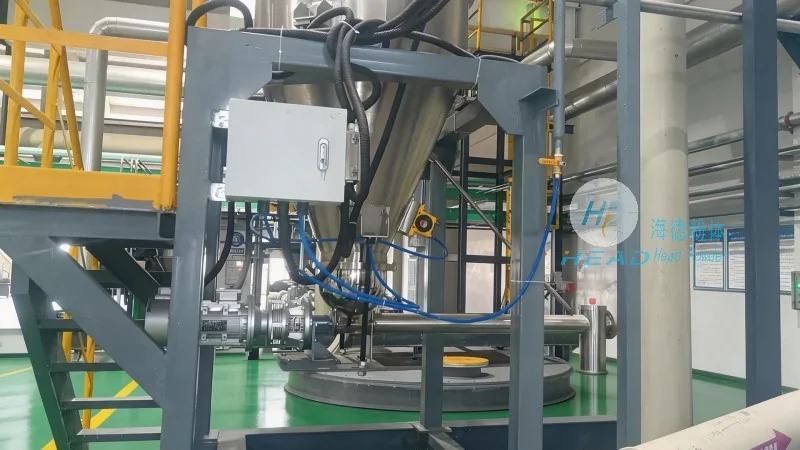
Solution 3: Hybrid Pneumatic Conveying Systems
Hybrid pneumatic conveying systems combine the benefits of both dilute-phase and dense-phase systems, offering flexibility and adaptability for various barium sulfate conveying applications. These systems use a combination of high and low air velocities to optimize the conveying process. For example, a hybrid system may use dilute-phase conveying for the initial portion of the pipeline to accelerate the material and then switch to dense-phase conveying for the remaining distance to reduce energy consumption. The key components of a hybrid system include a variable-speed blower, a conveying line with multiple sections, a receiver, and a dust collection unit. The variable-speed blower allows for adjustment of air pressure and flow rate based on the material's characteristics and distance of transport. The conveying line may have different diameters or sections to accommodate the varying flow conditions. The receiver collects the material and may include a hopper or a storage tank. The dust collection unit ensures dust control throughout the system. Hybrid systems are ideal for complex conveying routes or when the distance and flow rate requirements vary. They offer improved efficiency and reduced energy consumption compared to traditional systems, making them a cost-effective solution for many industrial applications.
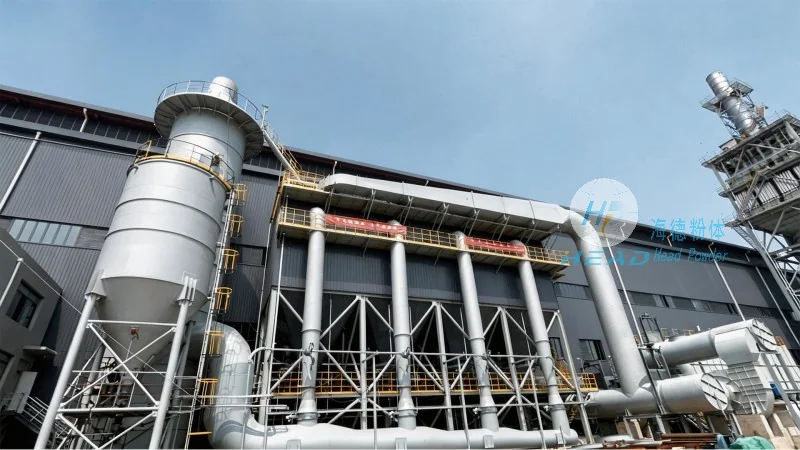
Case Study: Implementation by Shandong HeadPowder Engineering Co., Ltd.
Shandong HeadPowder Engineering Co., Ltd., a leading provider of bulk material handling solutions, has successfully implemented various pneumatic conveying systems for barium sulfate in industrial settings. One notable case involved a pharmaceutical company that required the transport of fine barium sulfate from a production line to a storage facility over a distance of 500 meters. The company opted for a dilute-phase pneumatic conveying system, which was designed and installed by HeadPowder. The system included a rotary valve feeder, a stainless steel conveying line, a cyclone receiver, and a dust collection unit. The system was configured to operate at an air velocity of 20 m/s, ensuring efficient suspension of the barium sulfate particles. The implementation resulted in a significant reduction in dust exposure and improved operational efficiency. The company reported a 30% increase in production throughput and a 20% reduction in energy consumption compared to traditional methods. This case study highlights the effectiveness of dilute-phase systems for short to medium-distance barium sulfate conveying and demonstrates the expertise of HeadPowder in designing and implementing tailored solutions.
Conclusion and Recommendations
In conclusion, the pneumatic conveying of barium sulfate can be effectively achieved through several solutions, each with its own advantages and considerations. Dilute-phase systems are suitable for short to medium distances and high flow rates, while dense-phase systems are ideal for longer distances and lower flow rates. Hybrid systems offer flexibility and improved efficiency for complex applications. When selecting a pneumatic conveying system for barium sulfate, it is essential to consider factors such as material properties, distance of transport, required flow rates, and dust control requirements. Consulting with experienced engineering firms, such as Shandong HeadPowder Engineering Co., Ltd., can provide valuable insights and ensure the selection of the most appropriate system. By implementing the right pneumatic conveying solution, industries can enhance operational efficiency, improve safety, and reduce costs associated with material handling.