HeadPowder, a leading provider in the field of material handling solutions, specializes in the efficient and reliable transportation of bulk materials such as silica powder through pneumatic conveying systems. This article provides an overview of the process, highlighting the key components, operational principles, and benefits of using pneumatic conveying for silica powder handling.
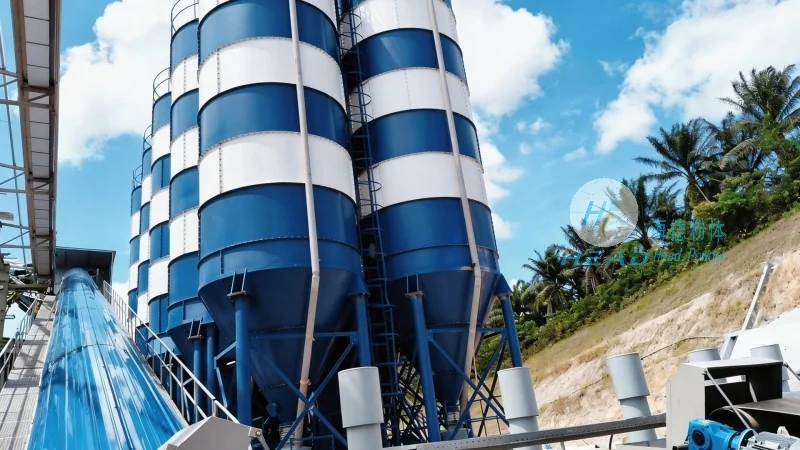
Understanding Pneumatic Conveying Systems for Silica Powder
Pneumatic conveying systems utilize air or other gases to transport bulk materials like silica powder from one location to another. The process involves several critical components that work in tandem to ensure smooth and efficient material movement. These components typically include a material feed hopper, a conveyor line (often a pipeline), a pressure or vacuum source, and a receiver or discharge unit.
Key Components and Their Functions
The material feed hopper is designed to store and feed the silica powder into the conveying system. It often features a metering valve or a rotary valve to control the flow rate of the material, ensuring consistent and controlled discharge. The conveyor line, usually made of stainless steel or other corrosion-resistant materials, is where the silica powder is transported. The choice of material for the pipeline is crucial as silica powder can be abrasive and may cause wear over time. A pressure or vacuum source, such as a blower or a vacuum pump, generates the necessary airflow to move the material through the system. The receiver or discharge unit collects the silica powder at the destination point, allowing for easy unloading and further processing.
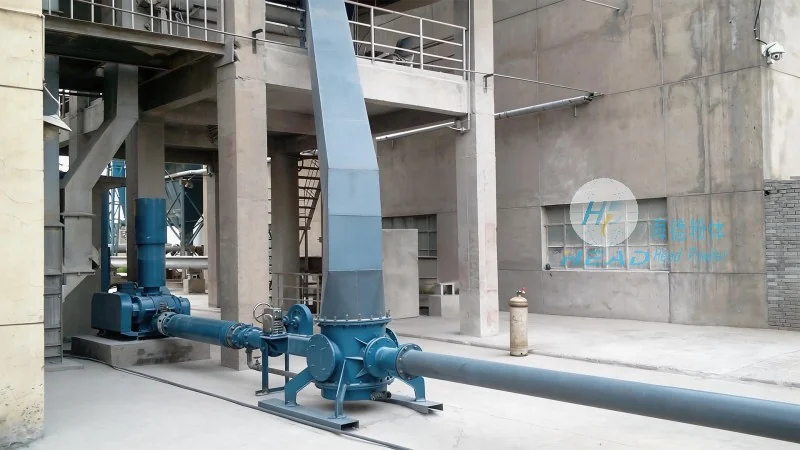
Working Principle of Pneumatic Conveying
The core of the pneumatic conveying process is the movement of silica powder particles suspended in a stream of air. When the pressure source is activated, air is forced through the pipeline, creating a flow that lifts and transports the powder particles. The velocity of the air must be sufficient to overcome the gravitational force acting on the powder particles and any friction within the pipeline. This ensures that the particles remain suspended and move efficiently through the system. The system can operate under either positive pressure (where air is forced into the pipeline) or negative pressure (where air is drawn out of the pipeline), depending on the specific application and layout of the conveying line.
Benefits of Pneumatic Conveying for Silica Powder Handling
Utilizing pneumatic conveying for silica powder offers several advantages over traditional methods like belt conveyors or bucket elevators. One of the primary benefits is the ability to transport materials in a closed system, which helps to prevent dust contamination and environmental pollution. This is particularly important for silica powder, which can be a respiratory hazard if released into the air. Additionally, pneumatic conveying systems can handle materials with varying particle sizes and moisture content, making them versatile for different applications. The system also allows for easy integration with other processing equipment, such as mixing or drying units, enabling a seamless workflow in industrial settings. Furthermore, the compact design of pneumatic conveying systems reduces the footprint required for material handling, making them suitable for facilities with limited space.
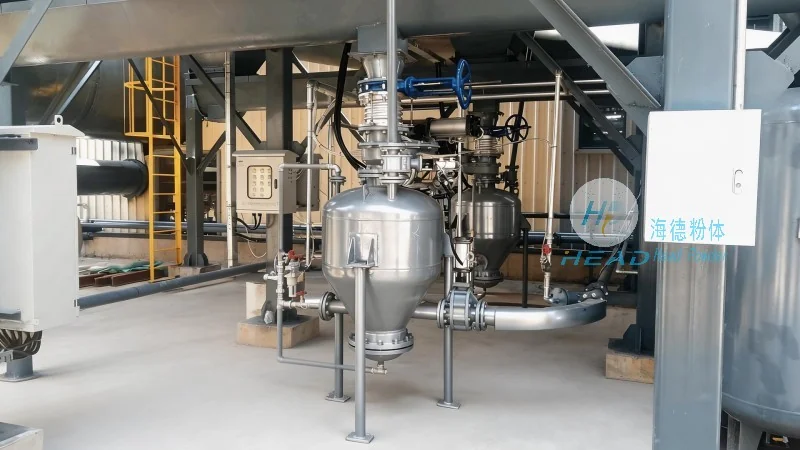
Applications in Industrial Settings
Silica powder, also known as silicon dioxide, is widely used in various industries, including construction, glass manufacturing, and electronics. Pneumatic conveying systems are commonly employed in these industries to transport silica powder efficiently from storage silos to production lines. For example, in glass manufacturing, silica powder is a key raw material used to produce glass products. The pneumatic conveying system ensures that the powder is delivered to the furnace at the required rate and consistency, which is critical for maintaining the quality of the final product. Similarly, in the construction industry, silica powder is used in the production of concrete and other building materials. The ability to transport the powder in a dust-free environment helps to improve the quality of the final product and enhances workplace safety.
Conclusion
HeadPowder, with its expertise in material handling solutions, provides high-quality pneumatic conveying systems tailored to the needs of silica powder transportation. By understanding the working principles and benefits of these systems, industries can enhance their operational efficiency, improve product quality, and ensure a safe working environment. The company's commitment to using durable and reliable components ensures that its pneumatic conveying systems deliver long-term performance and minimal maintenance, making them a cost-effective solution for silica powder handling.




