When it comes to transporting bulk materials like stone powder, pneumatic conveying systems offer an efficient and reliable solution. These systems are widely used in various industries, including mining, construction, and chemical processing, to move powders and granules over long distances with minimal maintenance. In this article, we will explore the components, working principles, and applications of stone powder pneumatic conveying equipment, providing a comprehensive overview for those interested in understanding this technology.
Understanding Pneumatic Conveying Systems
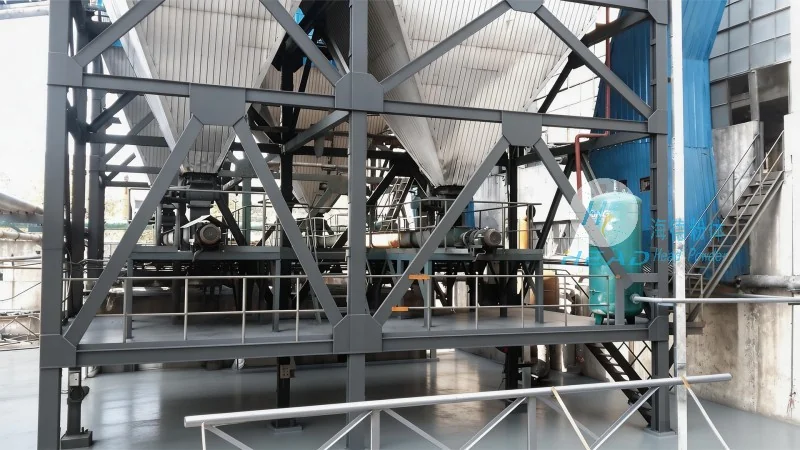
Pneumatic conveying, also known as powder handling equipment, utilizes air or gas to transport solid materials. The system typically consists of a blower or compressor, a hopper for material storage, a pipeline network, and a receiver for the discharged material. The core principle is to create a pressure differential that propels the material through the pipeline. There are two main types of pneumatic conveying: pressure and vacuum systems. Pressure systems operate by forcing air into the pipeline under pressure, while vacuum systems create a negative pressure to draw material into the line.
Key Components of Stone Powder Pneumatic Conveying Equipment
The structure of a stone powder pneumatic conveying system involves several critical components that work in tandem to ensure smooth operation. The primary components include:
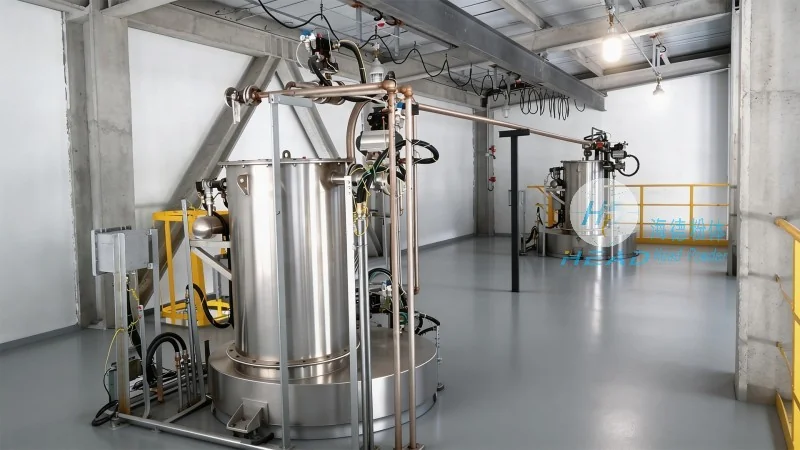
- Material Hopper: This is where the stone powder is stored before being fed into the system. It is designed to handle bulk material and often includes a feeding mechanism such as a rotary valve or a screw feeder to control the flow rate.
- Blower or Compressor: The heart of the system, this component generates the necessary air pressure or vacuum to move the material. In pressure systems, a positive displacement blower is commonly used, while vacuum systems may employ a centrifugal fan.
- Pipeline Network: The conveying line, usually made of stainless steel or other corrosion-resistant materials, is where the material travels. The design of the pipeline, including bends and fittings, is crucial to minimize pressure loss and prevent material buildup.
- Receiver or Discharge Hopper: At the end of the pipeline, the material is collected in a receiver. This component may include a dust collection system to ensure environmental compliance and prevent dust emissions.
- Control System: Modern pneumatic conveying systems are equipped with control panels that monitor and regulate the operation. These systems can adjust the air flow, material feed rate, and pressure to optimize performance and prevent overloading.
Working Principle of Stone Powder Pneumatic Conveying
The operation of a stone powder pneumatic conveying system follows a systematic process. First, the stone powder is fed from the hopper into the pipeline. The blower then creates a pressure differential, pushing the air and material mixture through the pipeline. As the material travels, it is suspended in the air stream and transported to the receiver. The velocity of the air and the size of the particles determine the conveying capacity and efficiency of the system. Proper design ensures that the material is fully suspended and moves without clogging the pipeline.
Applications and Benefits of Stone Powder Pneumatic Conveying
Stone powder pneumatic conveying equipment is widely used in industries that handle fine powders and granules. Some common applications include:
- Construction Materials: Transporting cement, lime, and other building materials from storage to production lines.
- Mining and Minerals: Moving crushed stone and ore from processing facilities to storage or further processing.
- Chemical Processing: Conveying powders such as calcium carbonate, silica, and other chemicals in pharmaceutical and industrial applications.
- Food and Agriculture: Handling powdered ingredients like flour, sugar, and agricultural products in food processing plants.
The benefits of using pneumatic conveying for stone powder include:
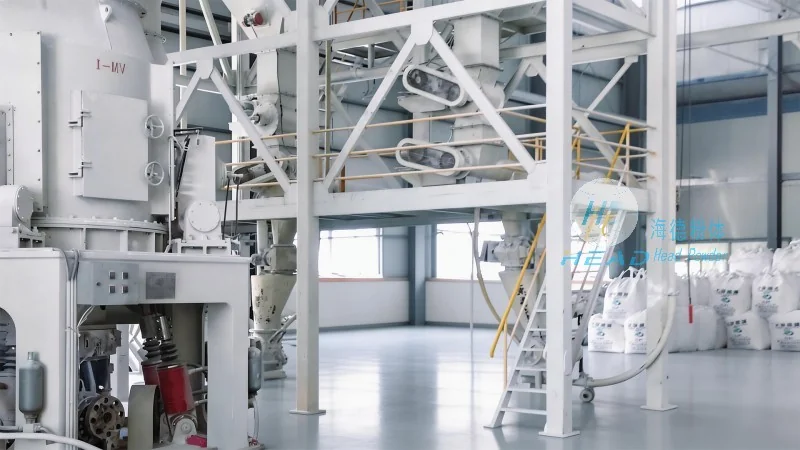
- Efficiency: The system can transport materials over long distances with high throughput, reducing labor and operational costs.
- Cleanliness: Enclosed pipelines prevent dust contamination and improve workplace safety.
- Flexibility: The system can be easily reconfigured to handle different materials or adjust to changing production needs.
- Low Maintenance: Compared to mechanical conveyors, pneumatic systems have fewer moving parts and require less maintenance.
Considerations for Selecting Stone Powder Pneumatic Conveying Equipment
When choosing a pneumatic conveying system for stone powder, several factors should be considered to ensure optimal performance. These include:
- Material Properties: The size, density, and moisture content of the stone powder affect the system's design. Coarser particles may require higher air velocities, while fine powders may need specialized equipment to prevent clogging.
- Conveying Distance and Capacity: The distance the material needs to travel and the required throughput will determine the type of system (pressure vs. vacuum) and the size of the blower or compressor.
- Environmental Regulations: Compliance with local regulations regarding dust emissions and air quality may influence the choice of equipment, such as adding a dust collection system.
- Space and Layout: The available space for the system and the layout of the facility will impact the design of the pipeline and the placement of components.
Conclusion
Stone powder pneumatic conveying equipment is a vital technology for efficiently handling bulk materials in various industries. By understanding the structure, working principles, and applications of these systems, businesses can make informed decisions when selecting the right equipment for their needs. With proper design and maintenance, pneumatic conveying systems offer a reliable and cost-effective solution for transporting stone powder and other fine materials. Shandong HeadPowder Engineering Co., Ltd., based in China, specializes in providing high-quality pneumatic conveying solutions tailored to the specific requirements of each client, ensuring optimal performance and long-term reliability.




