

Cocoa Pneumatic Conveying Introduction: Principles of Pneumatic Conveying Systems
HeadPowder, a leading engineering company based in Shandong, China, specializes in the design and implementation of advanced pneumatic conveying systems for various industrial applications, including the efficient handling of cocoa products. This article provides an overview of cocoa pneumatic conveying, detailing the fundamental principles that underpin the operation of such systems.
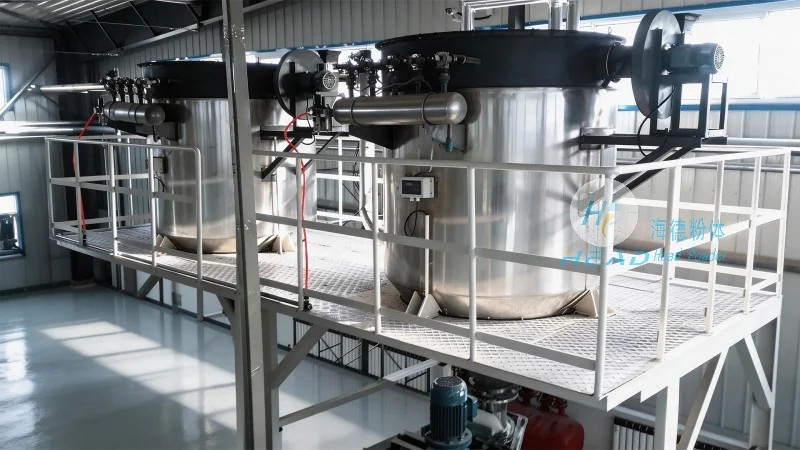
Understanding Pneumatic Conveying Systems
Pneumatic conveying systems are mechanical devices that use compressed air or gas to transport bulk materials, such as cocoa powder or cocoa beans, from one location to another. The core principle involves creating a pressure differential that propels the material through a pipeline. There are two primary types of pneumatic conveying: dilute-phase and dense-phase. Dilute-phase systems operate at higher velocities, typically moving materials in a suspended state, while dense-phase systems use lower velocities and higher pressure to transport material in a more compact form. For cocoa handling, the choice of system depends on factors like material characteristics, distance, and desired flow rates.
Key Components of a Cocoa Pneumatic Conveying System
A typical cocoa pneumatic conveying system consists of several critical components that work in tandem to ensure efficient material transport. These include a hopper or feeder to store and meter the cocoa, a blower or compressor to generate the necessary air pressure, a pipeline network to guide the material, and a receiver or discharge point where the cocoa is deposited. The hopper is often equipped with a rotary valve or feeder to control the flow rate, preventing overloading or clogging. The blower or compressor provides the motive force, with options ranging from positive displacement blowers to centrifugal fans, depending on the system's requirements. The pipeline is usually made of stainless steel or other corrosion-resistant materials to accommodate cocoa's moisture content and potential for dust generation. The receiver is designed to collect the conveyed cocoa and may include filtration or separation equipment to remove any air or debris.
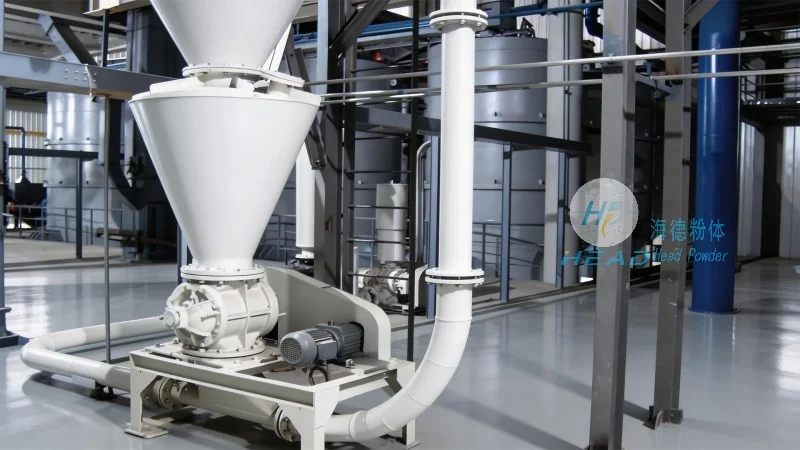
Working Principle of Cocoa Pneumatic Conveying
The operation of a cocoa pneumatic conveying system begins with the material being fed from the hopper into the pipeline. The feeder regulates the flow, ensuring a consistent rate of material introduction. Simultaneously, the blower generates compressed air, which is introduced into the pipeline at a specific point. As the air flows through the pipeline, it creates a pressure difference between the inlet and outlet. This pressure differential propels the cocoa particles, which are suspended in the air stream, through the system. The velocity of the air is crucial; it must be high enough to keep the cocoa particles in suspension but not so high as to cause excessive wear on the pipeline or equipment. The system's design, including the size of the pipeline and the air velocity, is optimized to maintain this balance. Upon reaching the receiver, the cocoa is deposited, and the air is either filtered and recirculated or vented to the atmosphere, depending on the system's configuration. This process allows for the seamless and continuous transport of cocoa, minimizing manual handling and reducing the risk of contamination or loss.
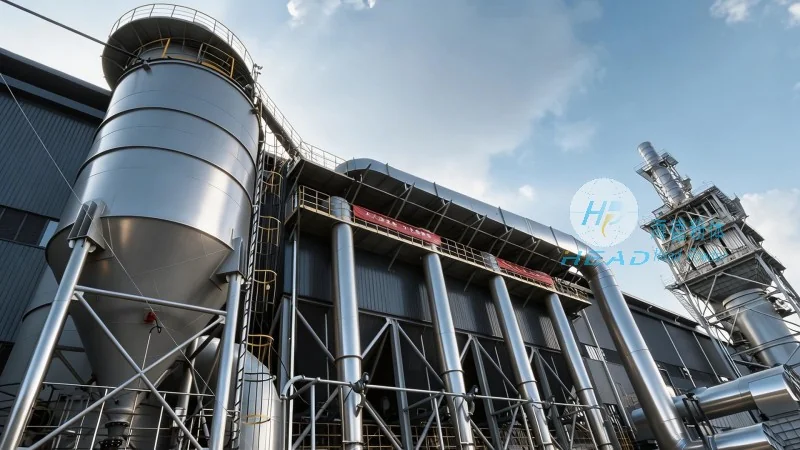
Advantages of Using Pneumatic Conveying for Cocoa
Implementing a pneumatic conveying system for cocoa processing offers several advantages over traditional methods like bucket elevators or belt conveyors. Firstly, it provides a closed system, which is essential for maintaining product quality and hygiene, especially for food-grade materials like cocoa. The enclosed pipeline prevents exposure to contaminants, dust, or moisture, ensuring that the cocoa remains in its original state. Secondly, pneumatic conveying systems are highly flexible, allowing for changes in the layout or direction of material flow without significant modifications to the infrastructure. This adaptability is particularly valuable in industrial settings where production lines may need to be reconfigured. Thirdly, these systems are energy-efficient compared to some alternatives, as they can transport materials over longer distances with less power consumption. Additionally, they reduce labor costs by automating the material handling process, minimizing the need for manual loading and unloading. The compact design of pneumatic conveying systems also saves space, making them suitable for facilities with limited floor area.
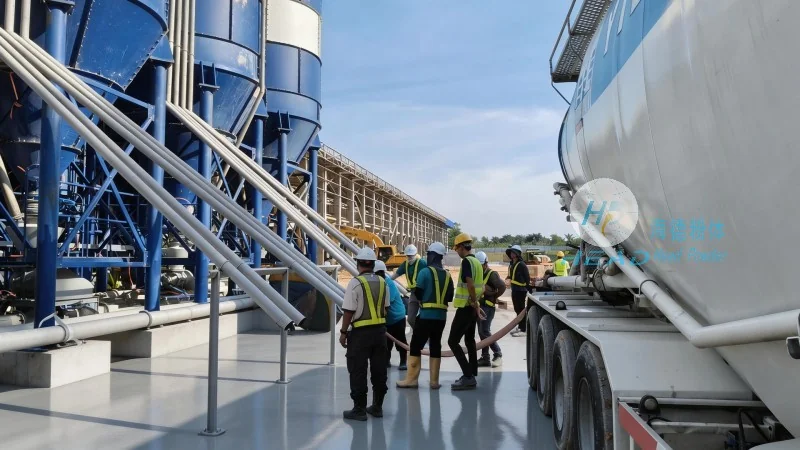
Applications in Cocoa Processing
Cocoa pneumatic conveying systems are widely used in various stages of cocoa processing, from raw bean handling to final product packaging. In the initial stages, after cocoa beans are roasted and ground into cocoa powder, the powder is often conveyed from storage silos to processing equipment. The system can handle both dry cocoa powder and cocoa liquor, adapting to different material densities and flow characteristics. During the production of chocolate, cocoa powder may be mixed with other ingredients, and the conveying system ensures a uniform blend by transporting the powder to the mixing tanks. In the packaging phase, the cocoa powder is conveyed from storage to the packaging machines, where it is filled into bags or containers. The consistent flow provided by the pneumatic system helps maintain product quality and prevents segregation of the powder, which could affect the final chocolate's texture and flavor.
Considerations for System Design and Installation
When designing and installing a cocoa pneumatic conveying system, several factors must be carefully considered to ensure optimal performance and longevity. Material selection is critical, as the pipeline and components must withstand the corrosive nature of cocoa and its moisture content. Stainless steel is the preferred material due to its resistance to rust and contamination. The system's capacity must be matched to the production rate, with considerations for peak demand periods to avoid bottlenecks. The layout of the pipeline should minimize bends and changes in direction, as excessive curves can cause pressure losses and material buildup. Proper maintenance is essential, including regular cleaning of the pipeline and filters to prevent clogging and ensure consistent performance. Additionally, the system should be equipped with safety features, such as pressure relief valves and air filtration systems, to protect against overpressure and ensure operator safety.