

Introduction to Food Pneumatic Conveying: Exploring the Working Principles of Pneumatic Conveying Sy
Food processing industries rely on efficient and hygienic material handling solutions to ensure product quality and operational efficiency. Pneumatic conveying, a method that uses air or gas to transport bulk materials, has become a critical technology in the food sector. This article provides an overview of food pneumatic conveying, detailing its working principles and the key factors that make it suitable for handling food products.
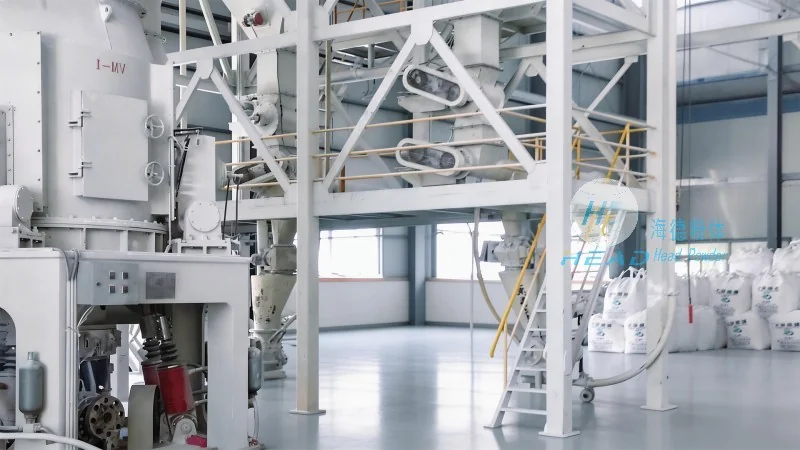
HeadPowder, a leading manufacturer based in Shandong, China, specializes in designing and manufacturing pneumatic conveying systems tailored for the food industry. With a focus on hygiene, safety, and performance, their systems are engineered to meet the stringent requirements of food processing applications. The company's expertise lies in creating customized solutions that address the unique challenges of transporting food powders and granules while maintaining compliance with industry standards.
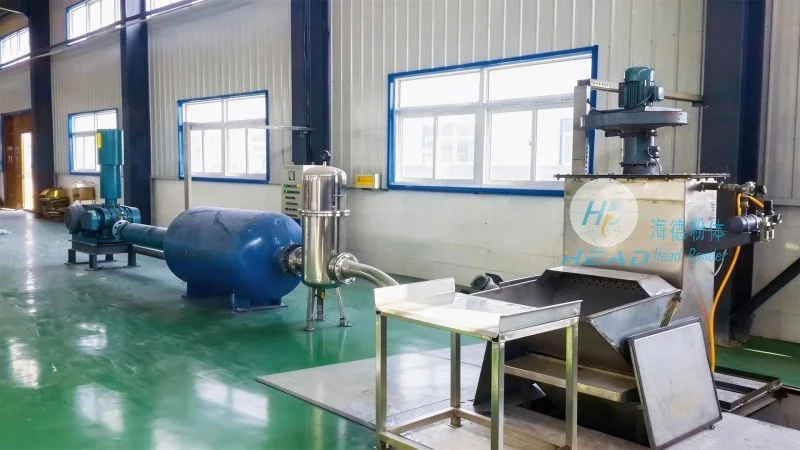
The Working Principle of Pneumatic Conveying in Food Processing
The fundamental principle of pneumatic conveying involves the use of a conveying medium, typically air or a mixture of air and other gases, to move solid particles through a pipeline. In the context of food applications, this process must be designed to prevent contamination, ensure product integrity, and maintain the quality of the food being transported. The system typically consists of a hopper for material storage, a feeder to control the flow rate, a conveying line, and a receiver for the discharged material. The air flow is generated by a blower or fan, which creates the necessary pressure or vacuum to move the material.
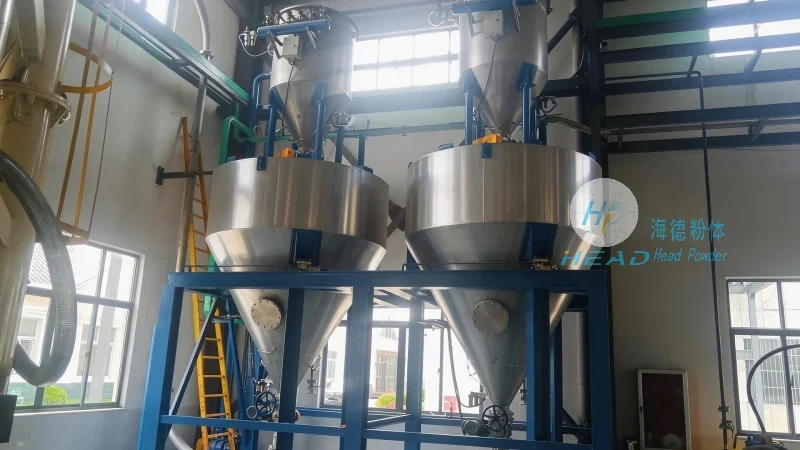
Types of Pneumatic Conveying Systems for Food Applications
There are two primary types of pneumatic conveying systems used in food processing: pressure and vacuum systems. Pressure systems operate by forcing air into the conveying line, pushing the material forward. This method is suitable for short to medium distances and is commonly used for transporting dry powders and granules. Vacuum systems, on the other hand, create a negative pressure in the line, drawing the material from the source. Vacuum systems are ideal for longer distances and are often used when the material needs to be transported from multiple sources or when the material is sensitive to pressure changes.
Key Components and Design Considerations for Food Pneumatic Conveying
Key components of a food pneumatic conveying system include the material feeder, which ensures a consistent flow rate to prevent blockages or uneven transport. The blower or fan provides the necessary air pressure or vacuum, and the pipeline system must be designed to minimize friction and maintain the material's integrity. In food applications, the materials used for the conveying components, such as the hopper, feeder, and pipeline, are typically made from stainless steel or other food-grade materials to ensure hygiene and prevent contamination. The system also includes controls and monitoring devices to regulate the flow rate, pressure, and other parameters, ensuring optimal performance and safety.
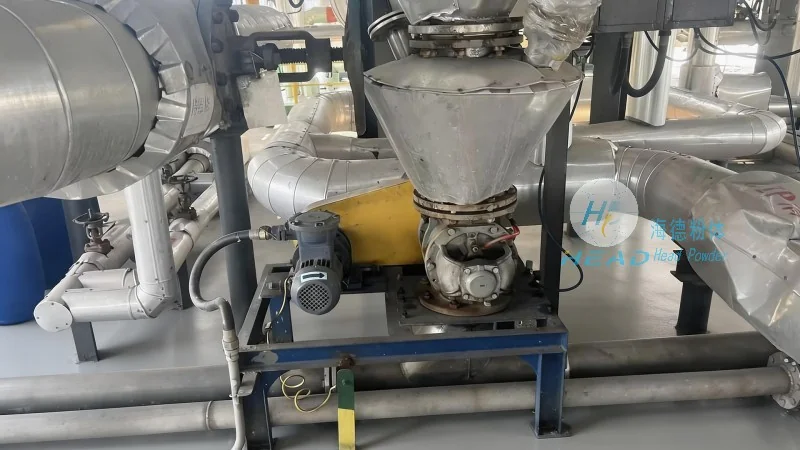
HeadPowder's Expertise in Food Pneumatic Conveying Solutions
HeadPowder's expertise in food pneumatic conveying is evident in their ability to design systems that are both efficient and compliant with industry regulations. Their engineers work closely with clients to understand the specific requirements of their food processing operations, from the type of material being handled to the distance and volume of transport. By leveraging advanced technology and materials, HeadPowder provides solutions that enhance productivity while maintaining the highest standards of food safety and quality. The company's commitment to innovation and customer satisfaction has made them a trusted partner in the food processing industry, helping businesses streamline their material handling processes and improve overall operational efficiency.