

Introduction to Cement Additive Pneumatic Conveying and the Working Principle of Pneumatic Conveying
For industrial applications, especially in the cement industry, efficient material handling is crucial for maintaining production efficiency and operational safety. Among various conveying methods, pneumatic conveying systems have emerged as a reliable solution for transporting cement additives and other bulk materials. This article provides an overview of cement additive pneumatic conveying and explains the fundamental working principles of such systems, highlighting the expertise of Shandong HeadPowder Engineering Co., Ltd. as a leading provider in the field.
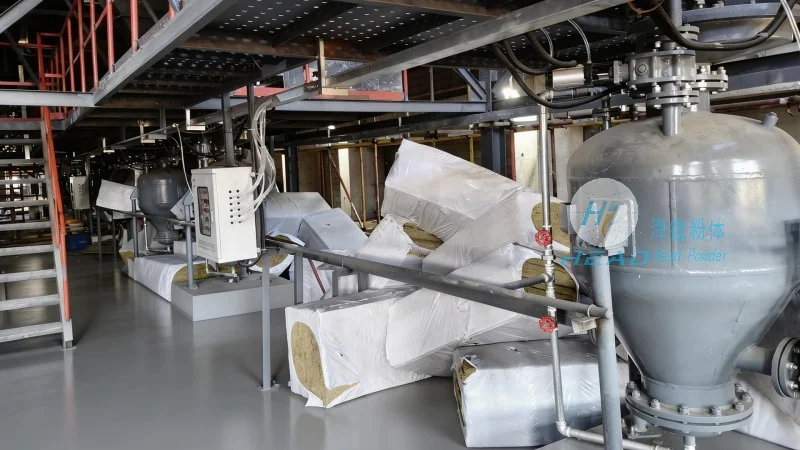
Understanding Pneumatic Conveying Systems for Cement Additives
Pneumatic conveying, also known as air conveying, is a technology that uses compressed air or gas to transport bulk materials like cement additives through a pipeline system. Unlike traditional mechanical conveying methods, such as belt conveyors or screw conveyors, pneumatic systems offer advantages in terms of flexibility, cleanliness, and the ability to handle a wide range of materials, including fine powders and granules. The primary goal of using pneumatic conveying for cement additives is to ensure consistent material flow, minimize dust generation, and maintain product quality throughout the handling process.
The Working Principle of Pneumatic Conveying Systems
The core of a pneumatic conveying system involves several key components and processes. At its simplest, the system operates by creating a pressure differential between the material feed point and the discharge point. Compressed air is introduced into the system, typically at the material inlet, where it mixes with the cement additive and propels the material forward through the pipeline. The air flow can be either positive pressure (where air is blown into the system) or negative pressure (where air is drawn out), depending on the specific application and system design.
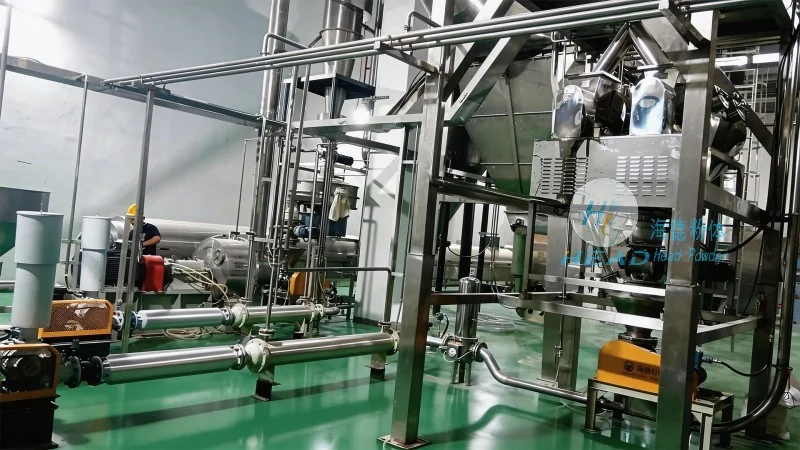
Key components of a typical pneumatic conveying system include the material hopper or feeder, which holds the cement additive and controls the flow rate; the air compressor or blower, which generates the necessary pressure; the pipeline network, which transports the material and air mixture; and the discharge valve or receiver, where the material is collected. The system may also incorporate additional components such as filters, cyclones, or dust collectors to manage air quality and prevent material loss.
Benefits of Pneumatic Conveying for Cement Additives
Implementing pneumatic conveying systems for cement additives offers numerous benefits that enhance operational efficiency and product integrity. One of the most significant advantages is the reduction in dust exposure, which not only improves workplace safety but also helps maintain the quality of the cement additive by preventing contamination from external particles. Additionally, pneumatic systems allow for more flexible and compact layouts, as the pipeline can be routed around obstacles or integrated into existing production facilities without the need for large, fixed structures.
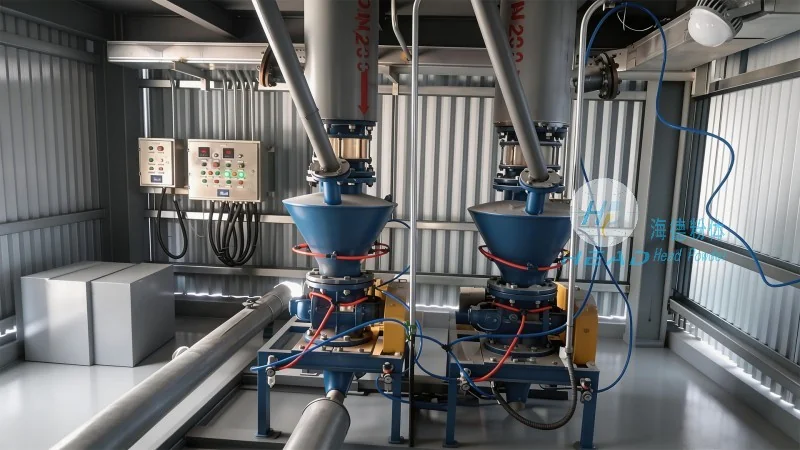
Another key benefit is the ability to handle a variety of cement additives, including fly ash, slag, and limestone, which are often fine powders that are difficult to transport using traditional methods. The air flow in the system helps to keep these materials suspended and moving smoothly, ensuring consistent flow rates and preventing blockages or clogging. Furthermore, pneumatic conveying systems can be designed to operate at different pressure levels, allowing for both low and high-speed conveying, depending on the specific requirements of the cement production process.
Shandong HeadPowder Engineering Co., Ltd.: A Leader in Pneumatic Conveying Solutions
Shandong HeadPowder Engineering Co., Ltd., commonly known as HeadPowder, is a reputable company based in Shandong, China, specializing in the design, manufacturing, and installation of pneumatic conveying systems for various industrial applications. With years of experience in the field, HeadPowder has developed a comprehensive range of solutions tailored to the unique needs of the cement industry, including systems for transporting cement additives, raw materials, and finished products.
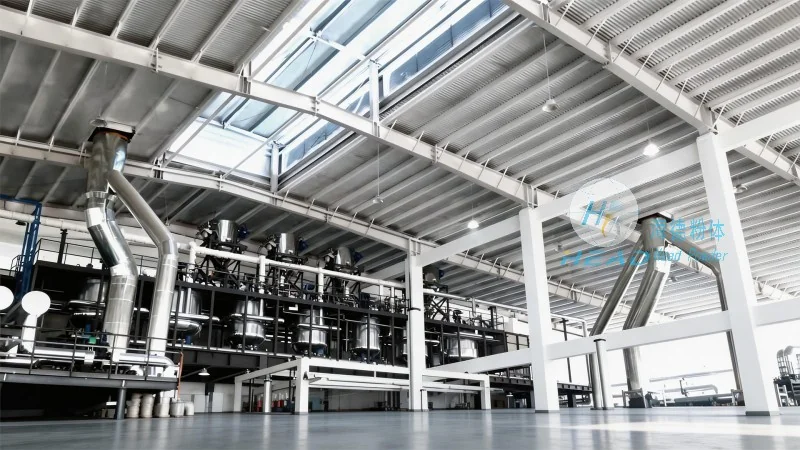
The company’s expertise lies in understanding the specific challenges of handling cement additives, such as their fine particle size, hygroscopic nature, and potential for dust generation. By leveraging advanced engineering and material science, HeadPowder designs customized pneumatic conveying systems that optimize performance, minimize energy consumption, and ensure long-term reliability. Each system is carefully engineered to meet the specific requirements of the client, including flow rates, pressure levels, and material characteristics, ensuring that the final solution is both efficient and cost-effective.
HeadPowder’s commitment to quality and customer satisfaction is reflected in their rigorous testing and validation processes. Before delivery, each pneumatic conveying system undergoes extensive testing to ensure it meets the required performance standards and operates safely under all conditions. The company also provides comprehensive after-sales support, including maintenance services, spare parts supply, and technical assistance, to ensure that clients can maximize the lifespan and efficiency of their equipment.