

Introduction to Sodium Hypochlorite Pneumatic Conveying and the Working Principle of Pneumatic Conve
Shandong HeadPowder Engineering Co., Ltd. is a professional manufacturer and supplier based in Shandong, China. The company specializes in the design, development, and implementation of advanced pneumatic conveying systems, particularly those used for handling sodium hypochlorite, a widely used chemical in water treatment and disinfection applications.
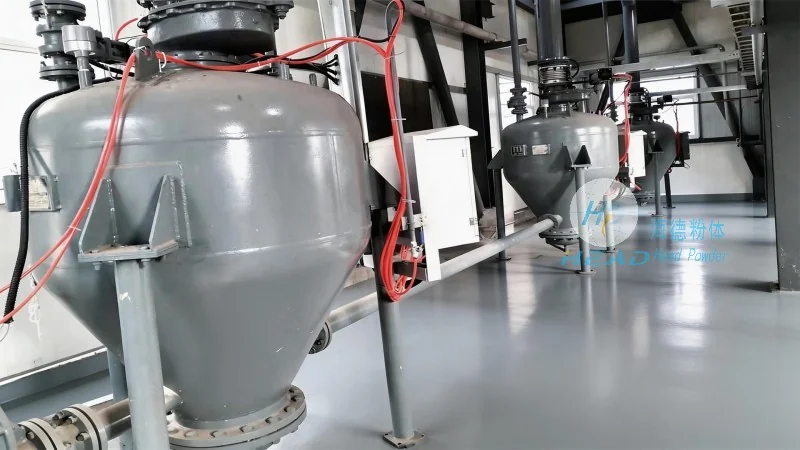
Pneumatic Conveying Systems: An Overview
Pneumatic conveying systems are industrial processes that use air or other gases to transport bulk materials from one location to another. These systems are essential in various industries, including chemical processing, food and beverage, and pharmaceuticals, due to their ability to handle materials that are difficult to transport by traditional methods like trucks or conveyor belts. The core of a pneumatic conveying system is the transfer of material through a pipeline using pressure differentials or vacuum, with air acting as the medium to move the material.
Sodium Hypochlorite: Properties and Handling Challenges
Sodium hypochlorite is a chemical compound commonly used as a disinfectant and bleaching agent. It is typically stored as a liquid solution and requires careful handling due to its corrosive nature and potential for decomposition. Traditional handling methods for sodium hypochlorite involve pumps and hoses, which can be inefficient and pose safety risks. Pneumatic conveying offers a more efficient and safer alternative by eliminating the need for direct contact with the chemical and reducing the risk of spills or leaks.
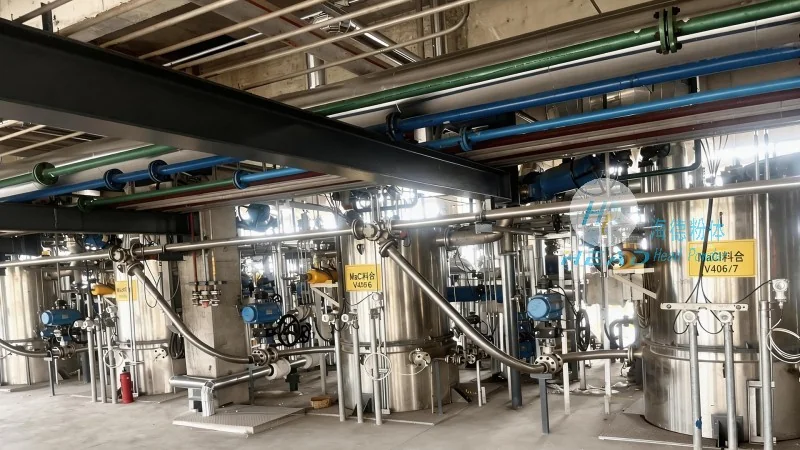
The Working Principle of a Sodium Hypochlorite Pneumatic Conveying System
A typical sodium hypochlorite pneumatic conveying system consists of several key components, including a feed hopper, a pump or compressor, a conveying line, and a receiving hopper. The process begins with the liquid sodium hypochlorite being fed into the system from the feed hopper. The pump then introduces air or a compressed gas into the system, creating a pressure differential that propels the liquid through the conveying line. The air and liquid mixture travels to the receiving hopper, where the air is separated from the liquid and discharged, while the sodium hypochlorite is collected for further use.
Key Components and Their Functions
Each component of the pneumatic conveying system plays a critical role in ensuring efficient and safe operation. The feed hopper is responsible for storing and feeding the sodium hypochlorite into the system, while the pump or compressor provides the necessary pressure to move the material through the pipeline. The conveying line is typically made of materials resistant to corrosion, such as stainless steel, to prevent damage from the chemical. The receiving hopper collects the conveyed sodium hypochlorite and may include filtration or separation equipment to remove any air bubbles or impurities.
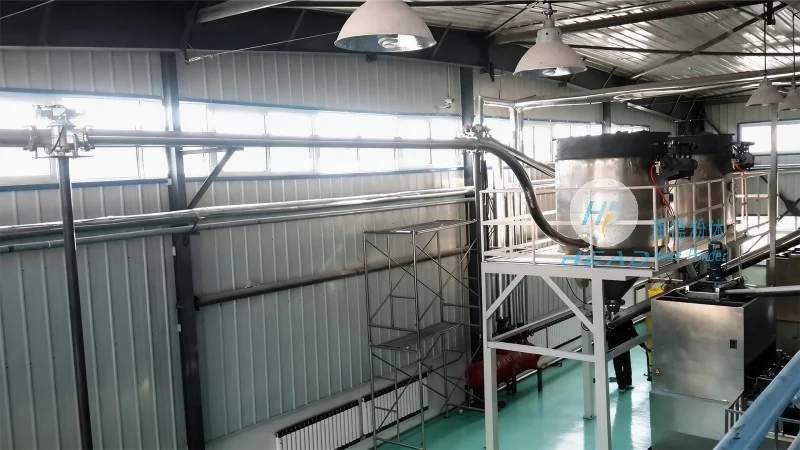
Advantages of Pneumatic Conveying for Sodium Hypochlorite
Implementing a pneumatic conveying system for sodium hypochlorite offers several advantages over traditional handling methods. These include improved safety by reducing the risk of spills and exposure to the chemical, increased efficiency by minimizing downtime and labor costs, and enhanced control over the material flow. Additionally, pneumatic conveying systems can be designed to handle varying flow rates and pressures, making them adaptable to different production needs.
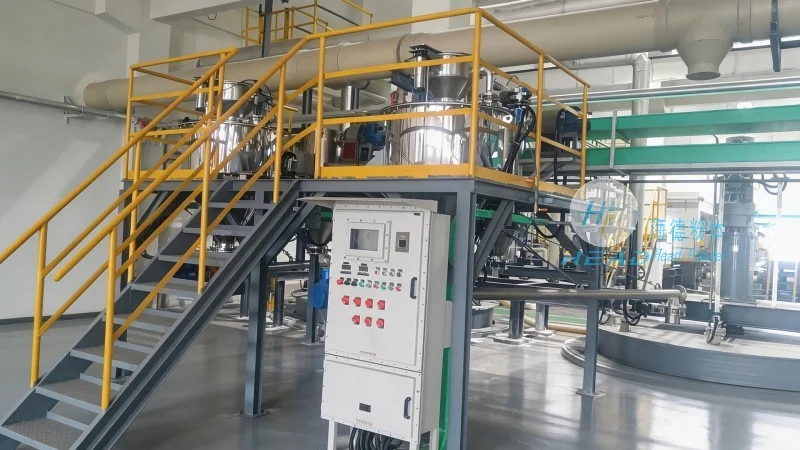
Applications and Industries
Sodium hypochlorite pneumatic conveying systems are widely used in various industries where the chemical is a critical component. These include water treatment plants, where the chemical is used for disinfection and oxidation, and industrial facilities that require bleaching or disinfection processes. The systems are also used in the production of other chemicals and in the food and beverage industry for sanitation purposes.
Conclusion
Shandong HeadPowder Engineering Co., Ltd. specializes in the design and implementation of efficient and safe pneumatic conveying systems for sodium hypochlorite. By leveraging advanced technology and materials, the company ensures that its systems meet the highest standards of performance and safety. The working principle of these systems, which involves the use of air to transport the chemical through a pipeline, offers a reliable and cost-effective solution for handling sodium hypochlorite in various industrial applications.