

Introduction to Beer Brewery Sludge Pneumatic Conveying and the Working Principle of Pneumatic Conve
Pneumatic conveying systems have become a critical technology in the brewing industry, particularly for handling beer brewery sludge. This process involves the transportation of solid materials like spent grain and other byproducts through a pipeline using air or gas as the conveying medium. The application of pneumatic conveying in beer brewery sludge management offers significant advantages over traditional methods such as gravity flow or mechanical conveying. By leveraging the power of air to move materials, these systems enhance operational efficiency, reduce labor costs, and minimize the risk of contamination. For breweries, effectively managing sludge is essential for maintaining compliance with environmental regulations and optimizing production processes. Pneumatic conveying provides a hygienic and reliable solution for transporting sludge from production areas to treatment or disposal facilities, ensuring smooth workflow and environmental sustainability.
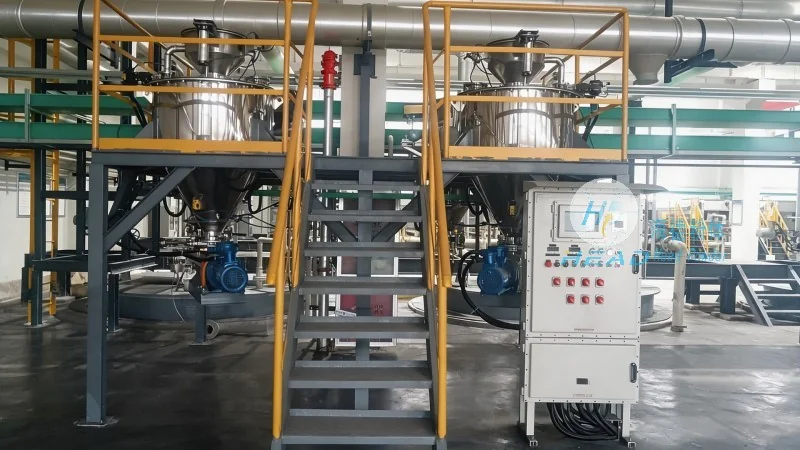
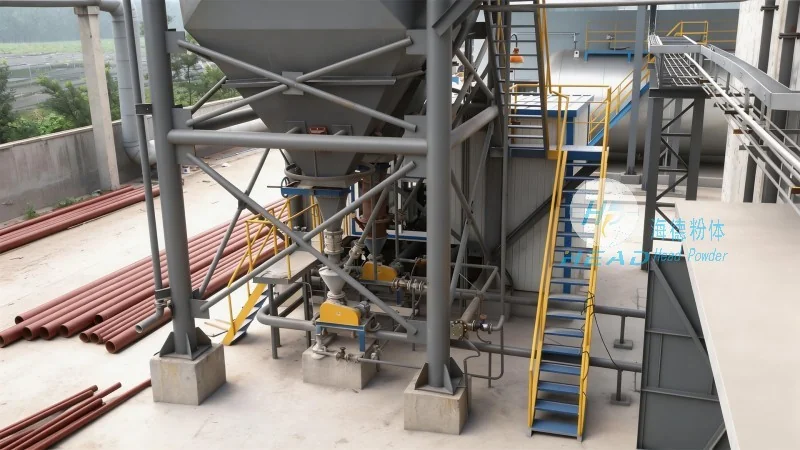
Working Principle of Pneumatic Conveying Systems
The core of a pneumatic conveying system lies in its ability to transport bulk materials through a closed or open pipeline using compressed air or vacuum. There are two primary types of pneumatic conveying systems: positive pressure and negative pressure. Positive pressure systems operate by injecting high-pressure air into the material, creating a flow that pushes the material through the pipeline. This method is commonly used for short to medium distance conveying and is effective for handling dry or semi-dry materials. Negative pressure systems, on the other hand, create a vacuum at the receiving end, drawing the material and air mixture into the pipeline. This approach is suitable for longer distances and is often used when the material is sensitive to pressure or when the system needs to operate in a closed environment.
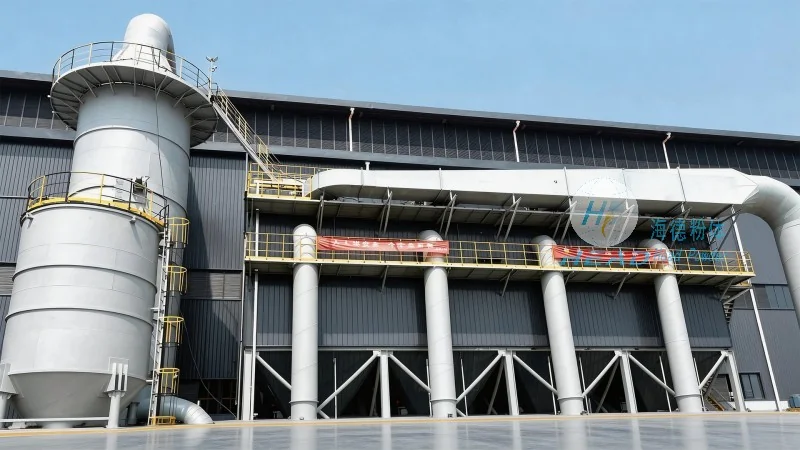
In the context of beer brewery sludge, the choice of system depends on factors such as the sludge's moisture content, particle size, and the distance it needs to be transported. For example, a positive pressure system might be preferred for conveying drier sludge over shorter distances, while a negative pressure system could be more appropriate for handling wetter sludge or for longer transport routes. The system typically consists of a hopper for material storage, a conveyor line, and a separator or filter to separate the material from the air at the end of the line. The air is then filtered and recycled back into the system, ensuring energy efficiency and reducing operational costs.
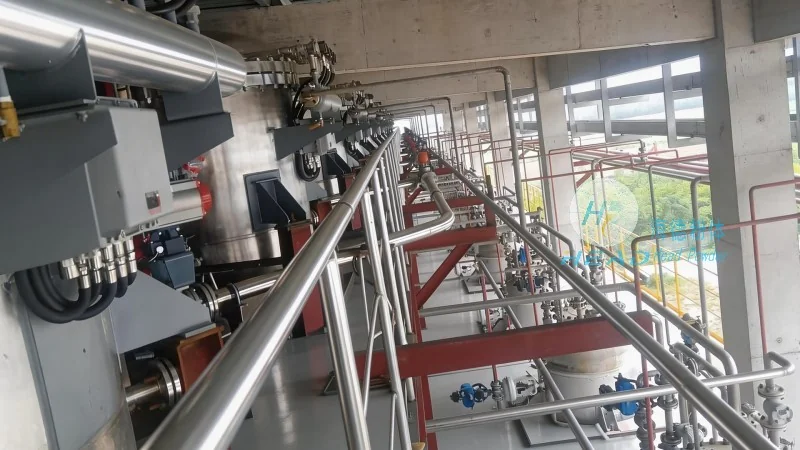
Company Profile: Shandong HeadPowder Engineering Co., Ltd.
Shandong HeadPowder Engineering Co., Ltd. is a leading manufacturer and supplier of advanced pneumatic conveying solutions, with a strong presence in the Chinese market. HeadPowder specializes in designing and manufacturing customized pneumatic conveying systems tailored to the specific needs of various industries, including the brewing sector. The company is headquartered in Shandong, China, and leverages its extensive experience and technical expertise to deliver high-quality, reliable equipment. HeadPowder's commitment to innovation and customer satisfaction has made it a trusted partner for breweries seeking efficient and effective sludge management solutions. By combining advanced engineering with practical application knowledge, HeadPowder ensures that its systems meet the stringent requirements of the brewing industry, providing durable and efficient equipment that enhances operational performance and environmental compliance.