

What is a Hybrid Powder Conveying System? And What Are Its Design Principles?
For industrial applications that require efficient and reliable powder handling, hybrid powder conveying systems have emerged as a versatile solution. These systems combine the advantages of different conveying technologies to meet diverse operational needs, offering enhanced performance and flexibility in material transport. Understanding the core components and design principles of such systems is crucial for selecting the right equipment for specific industrial processes.
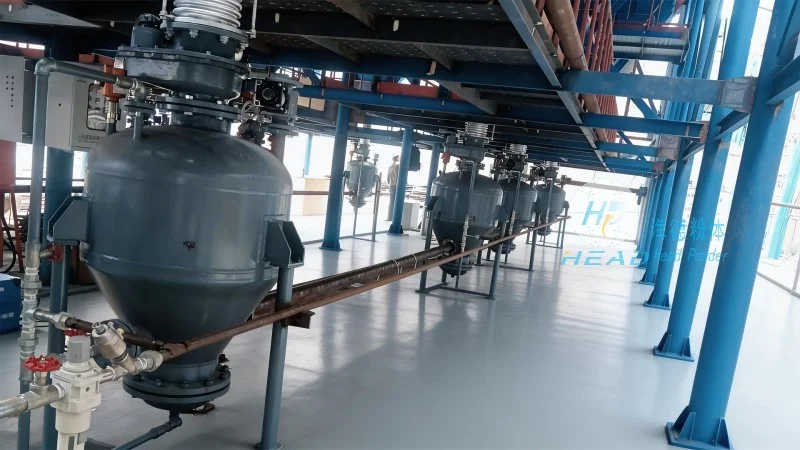
What is a Hybrid Powder Conveying System?
A hybrid powder conveying system is a type of industrial equipment designed to transport bulk powders over varying distances and under different operating conditions. Unlike traditional single-technology conveyors, hybrid systems integrate multiple conveying methods, such as pneumatic, mechanical, and gravitational, to optimize performance. This integration allows for better control over material flow, pressure, and speed, making them suitable for a wide range of applications, from pharmaceuticals and food processing to chemical and mining industries.
The Design Principles of Hybrid Powder Conveying Systems
The design of a hybrid powder conveying system is guided by several key principles aimed at maximizing efficiency, reliability, and adaptability. First, the system must ensure seamless integration of different conveying technologies to maintain consistent material flow. This involves careful selection of components, such as air compressors, conveyor belts, and control valves, to ensure they work in harmony. Second, the design prioritizes energy efficiency by optimizing the use of each technology based on the material's properties and the conveying distance. For instance, pneumatic conveying may be used for short distances or high-velocity transport, while mechanical conveying might handle longer distances with lower energy consumption. Third, the system incorporates robust control mechanisms to monitor and adjust parameters in real-time, ensuring stable operation and preventing material degradation or blockages. These principles collectively contribute to the system's ability to handle various powders, including those that are abrasive, sticky, or sensitive to moisture.
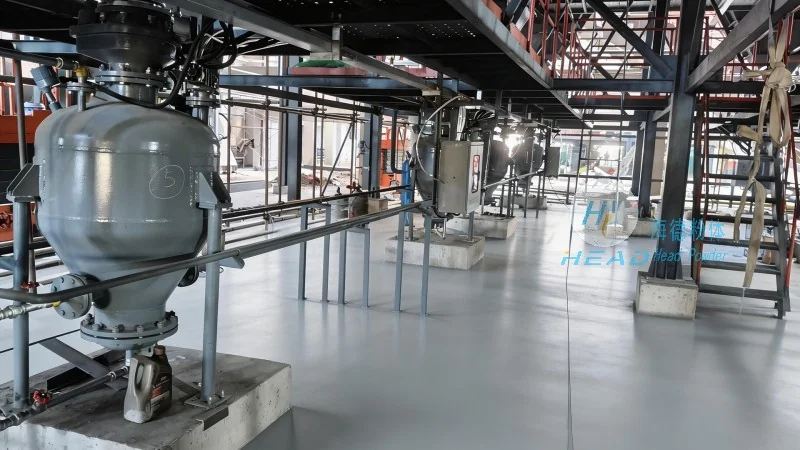
Key Components and Their Roles
Hybrid powder conveying systems typically consist of several key components, each playing a critical role in the overall operation. The primary components include a material feed hopper, which stores and feeds the powder into the system; an air compressor or blower, which provides the necessary air pressure for pneumatic conveying; a conveying line, which can be flexible or rigid, depending on the application; and a control unit, which manages the system's operation. Additionally, the system may include a dust collection system to maintain air quality and a material discharge unit to deliver the powder to the destination. Each component is designed to work in tandem, ensuring smooth and continuous material transport. For example, the feed hopper ensures a consistent supply of material, while the air compressor maintains the required pressure to move the powder through the conveying line. The control unit monitors parameters like pressure, flow rate, and temperature, adjusting them as needed to prevent issues such as clogging or excessive energy consumption.
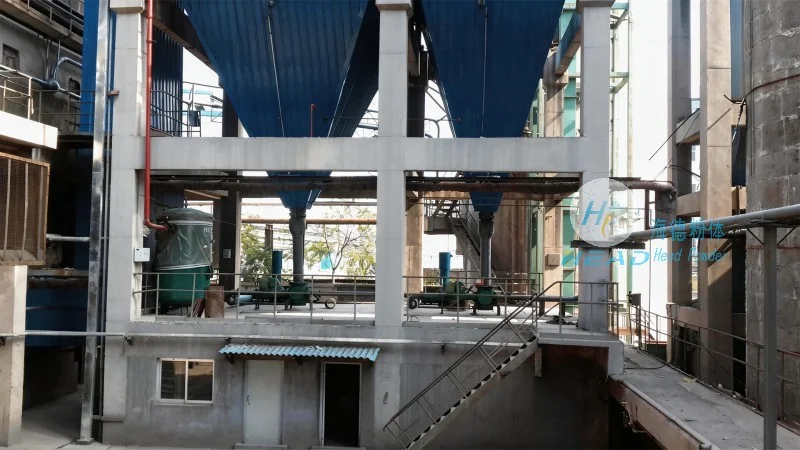
Applications and Benefits
Hybrid powder conveying systems are widely used in various industries due to their adaptability and efficiency. In the pharmaceutical industry, these systems are used to transport sensitive powders, ensuring they remain uncontaminated and free from moisture. In food processing, they help maintain hygiene standards by preventing cross-contamination and ensuring consistent product quality. In the chemical industry, they are used to handle abrasive or corrosive powders, protecting equipment and personnel from damage. The benefits of hybrid systems include improved material handling efficiency, reduced downtime, and lower maintenance costs. By combining different technologies, these systems can handle a broader range of materials and operational conditions compared to traditional conveyors. This flexibility makes them a preferred choice for industries that require high reliability and performance.
About Shandong HeadPowder Engineering Co., Ltd.
Shandong HeadPowder Engineering Co., Ltd., commonly known as headpowder, is a leading manufacturer of industrial powder handling equipment. With a focus on innovation and quality, the company specializes in designing and manufacturing hybrid powder conveying systems tailored to the specific needs of its clients. Headpowder's products are known for their durability, efficiency, and reliability, making them suitable for demanding industrial applications. The company's headquarters is located in Shandong, China, where it has a team of experienced engineers and technicians dedicated to research and development. Headpowder's commitment to customer satisfaction and technological advancement has made it a trusted partner for many industries worldwide.