

What is a Cement Fly Ash Powder Conveying Line? And What Are Its Design Principles?
Understanding the cement fly ash powder conveying line is essential for those involved in the cement and fly ash processing industries. This equipment is specifically designed to handle the transportation of cement and fly ash powders, which are crucial raw materials in the production of concrete and other building materials. The design principles behind such a system are centered on efficiency, reliability, and the ability to maintain the quality of the powders during transport. The system is typically implemented by companies like Shandong HeadPowder Engineering Co., Ltd., a leading provider of industrial conveying solutions based in China.
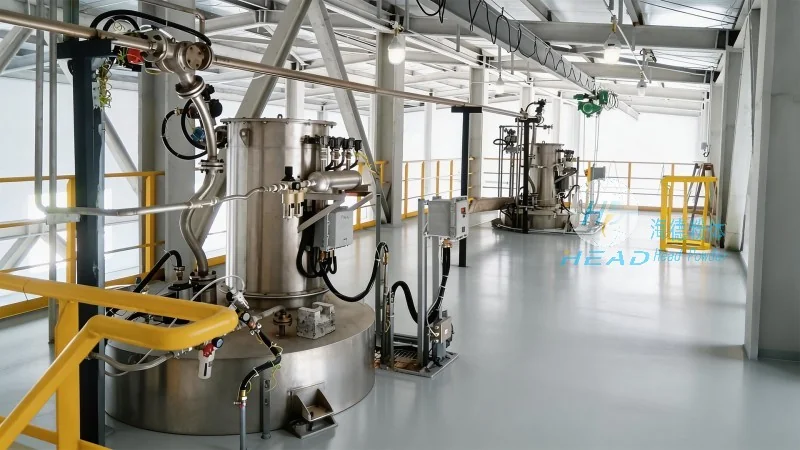
Introduction to Cement Fly Ash Powder Conveying Lines
A cement fly ash powder conveying line, as the name suggests, is a system used to transport cement and fly ash powders from one location to another within a production facility or between different stages of processing. These lines are typically used in cement plants, power stations, and construction material manufacturing sites. The primary goal is to move these fine powders in a controlled manner, ensuring minimal loss and maintaining their physical properties. The system often includes components such as feeders, conveyors, and dust collection systems to ensure safe and efficient operation.
Key Components of a Cement Fly Ash Powder Conveying Line
The design of a cement fly ash powder conveying line involves several critical components that work together to achieve the desired outcome. These components are carefully selected and integrated to meet the specific requirements of the application. The main components include:
1. Feeding Equipment: This is the initial stage where the cement and fly ash powders are introduced into the conveying system. Common types include screw feeders, rotary valves, and pneumatic feeders. The choice of feeder depends on the material characteristics, such as flowability and moisture content. For cement and fly ash, which can be cohesive and have varying particle sizes, a well-designed feeder is crucial to prevent blockages and ensure a consistent flow rate.
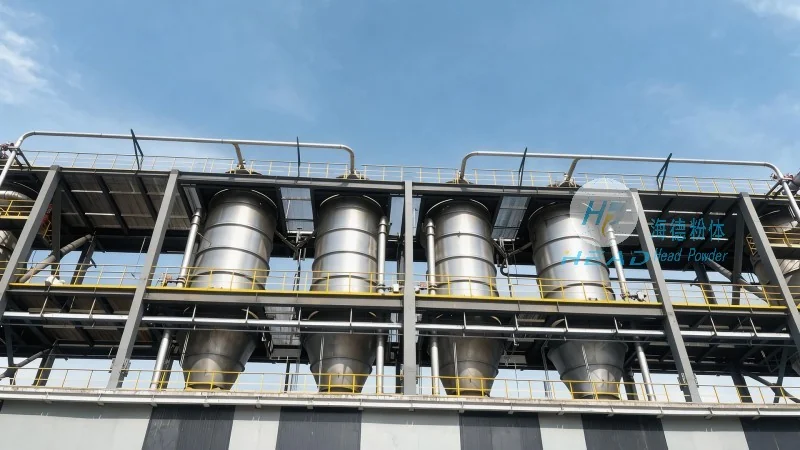
2. Pneumatic Conveying Systems: Many cement fly ash powder conveying lines utilize pneumatic conveying, which involves transporting the powders using air pressure. This method is particularly effective for fine powders and can be either positive or negative pressure systems. Positive pressure systems push the material through the pipeline using a blower, while negative pressure systems draw the material using a vacuum. The selection of the pressure type depends on the distance, material properties, and system layout.
3. Conveying Pipelines: The pipelines used in these systems are typically made of materials that are resistant to corrosion and wear, such as stainless steel or special alloys. The design of the pipelines, including the diameter and length, is critical to maintain the flow rate and prevent pressure drops. Proper pipeline layout, with appropriate bends and elbows, is also essential to minimize material degradation and ensure smooth operation.
4. Dust Collection and Filtration Systems: Since cement and fly ash are fine powders that can generate dust, a dust collection system is an integral part of the conveying line. This system helps to capture and remove airborne particles, ensuring a clean and safe working environment. The filtration systems used can be bag filters, cartridge filters, or electrostatic precipitators, depending on the specific requirements and the amount of dust generated.
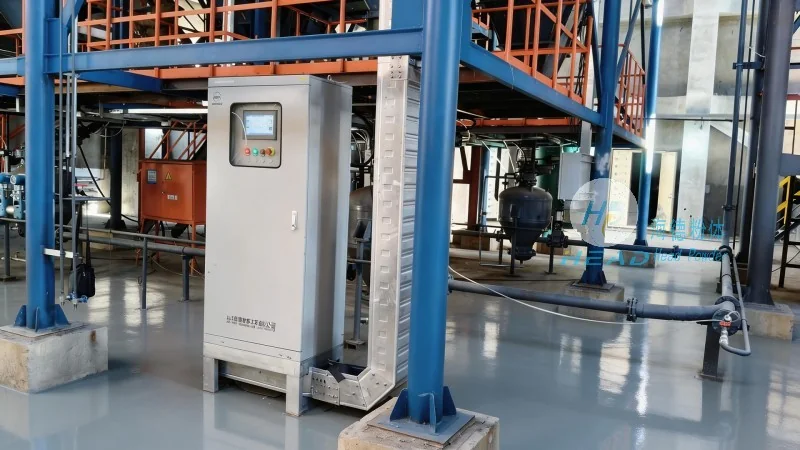
Design Principles for Efficient Operation
The design principles of a cement fly ash powder conveying line are focused on achieving optimal performance and reliability. Several key principles guide the design process:
1. Material Flow Optimization: The design aims to ensure that the powders flow smoothly and consistently through the system. This involves selecting appropriate equipment and pipeline dimensions to maintain the desired flow rate without causing excessive pressure drops or material degradation. Proper feeding and control mechanisms are essential to prevent surges or blockages that could disrupt the entire system.
2. Energy Efficiency: Modern conveying systems are designed to be energy-efficient, reducing operational costs. This is achieved through the use of high-efficiency blowers, optimized pipeline layouts, and the selection of appropriate materials that minimize energy consumption. The design also considers the overall system efficiency, including the power required to move the material versus the actual transport distance.
3. System Reliability and Maintenance: The conveying line is designed to be reliable and require minimal maintenance. This includes using durable components, proper sealing to prevent material leakage, and easy access points for maintenance and cleaning. The design also incorporates safety features to protect operators and prevent accidents, such as emergency shut-off valves and pressure relief systems.
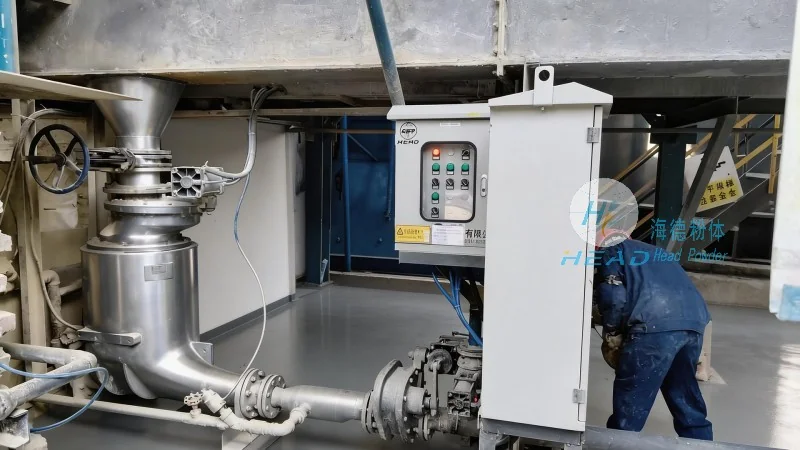
4. Environmental Considerations: With increasing environmental regulations, the design of the conveying line must consider the impact on the environment. This includes minimizing dust emissions through effective dust collection systems and ensuring that the system operates within the permissible limits for air quality. The use of materials that are environmentally friendly and the implementation of energy-saving measures are also part of the design principles.
Applications and Benefits
Cement fly ash powder conveying lines are widely used in various applications within the cement and construction industries. The primary benefits of using such a system include improved productivity, reduced labor costs, and enhanced safety. By automating the transportation of powders, the system reduces the need for manual handling, which can be hazardous and inefficient. Additionally, the consistent flow of materials ensures that the production process is smooth and uninterrupted, leading to higher output and better quality control.
In conclusion, a cement fly ash powder conveying line is a sophisticated system designed to efficiently transport cement and fly ash powders. The design principles, which focus on material flow optimization, energy efficiency, reliability, and environmental considerations, ensure that the system operates effectively and safely. For those in the cement and construction industries, understanding these principles is crucial for selecting and maintaining an effective conveying system that meets their specific needs.