

Operation Process and Working Principle of Sodium Bicarbonate Material Pneumatic Conveying Line
HeadPowder, a leading engineering firm based in Shandong, China, specializes in the design, manufacturing, and installation of advanced pneumatic conveying systems tailored for handling sodium bicarbonate. This article provides a detailed overview of the operation process and working principles of such systems, highlighting their efficiency and reliability in material transport.
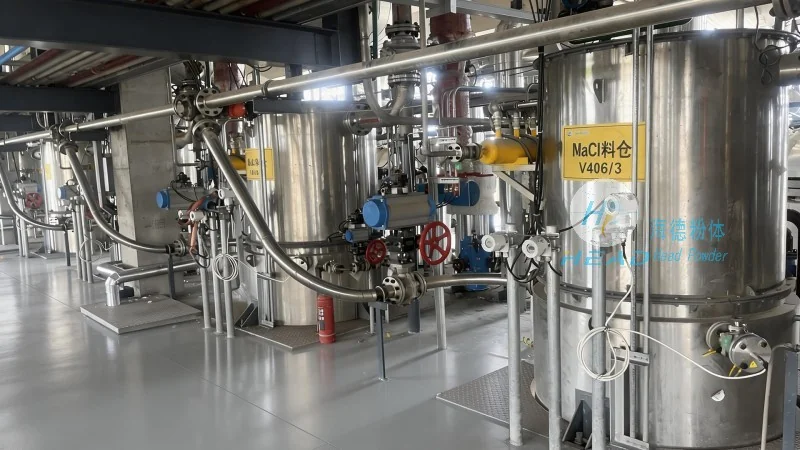
Introduction to Pneumatic Conveying for Sodium Bicarbonate
Pneumatic conveying systems offer a highly effective solution for transporting sodium bicarbonate, a common chemical used in various industries such as food processing, pharmaceuticals, and chemical manufacturing. Unlike traditional mechanical conveyors, these systems use air or gas to move bulk materials through a pipeline, eliminating the need for moving parts that can cause wear and tear or contamination. The design of these systems is crucial for ensuring smooth and consistent material flow, especially when dealing with delicate or sensitive materials like sodium bicarbonate.
Key Components of a Pneumatic Conveying Line
The operation of a sodium bicarbonate pneumatic conveying line involves several key components that work in tandem to achieve efficient material transport. These components include:
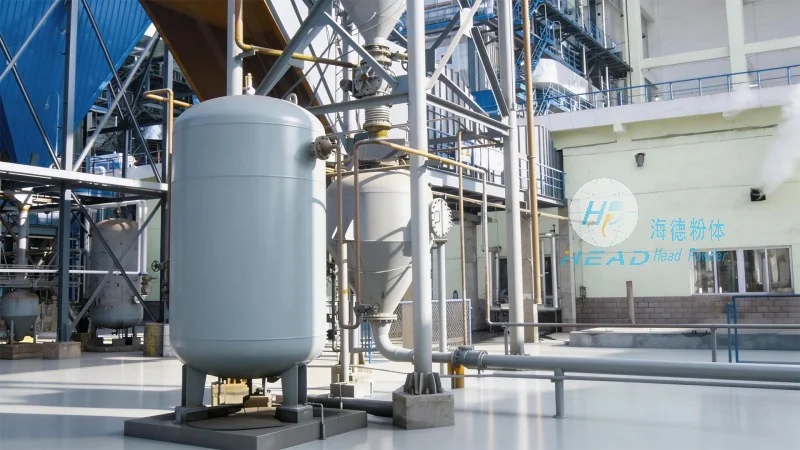
- Feeder: The feeder is responsible for accurately metering and feeding the sodium bicarbonate into the conveying line. It ensures a consistent flow rate, which is critical for maintaining system performance and preventing blockages.
- Conveying Pipe: The pipe system forms the main pathway for the material and air mixture. It is typically made of durable materials like stainless steel or polyethylene to withstand the corrosive nature of sodium bicarbonate and the pressure of the conveying process.
- Air Compressor: The air compressor generates the necessary pressure and volume of air to move the material through the pipe. The choice of compressor type (e.g., positive displacement or centrifugal) depends on the system's capacity and the distance the material needs to travel.
- Control Valves: These valves regulate the flow of air and material, allowing for precise control over the conveying process. They can adjust the pressure and flow rate to optimize system efficiency and prevent overloading.
- Receiver: The receiver is the final destination where the sodium bicarbonate is deposited. It is designed to handle the material's characteristics, ensuring a clean and organized discharge.
Operation Process of the Pneumatic Conveying System
The operation process of a sodium bicarbonate pneumatic conveying line typically follows these steps:
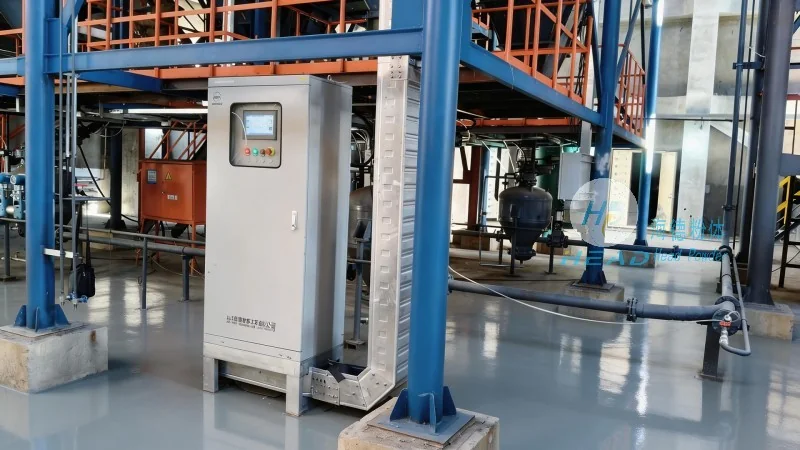
- Material Loading: The sodium bicarbonate is loaded into the feeder hopper. The feeder then meters the material into the conveying pipe at a controlled rate.
- Air Injection: The air compressor supplies compressed air into the conveying pipe, creating a flow that carries the material particles along with it. The air velocity must be sufficient to overcome the material's resistance and maintain a stable suspension.
- Transport: The material-air mixture travels through the pipe system to the receiver. The system's design ensures that the material remains suspended in the air stream, preventing clogging or deposition.
- Discharge: Upon reaching the receiver, the material is deposited into the designated container. The air is then filtered and discharged, ensuring that no material particles are lost or released into the environment.
Working Principle: How Pneumatic Conveying Works
The working principle of a pneumatic conveying system for sodium bicarbonate is based on the principles of fluid dynamics and particle suspension. The system operates by creating a high-velocity air stream that entrains the material particles, lifting them off the conveying surface and transporting them through the pipe. The key factors influencing the system's performance include:
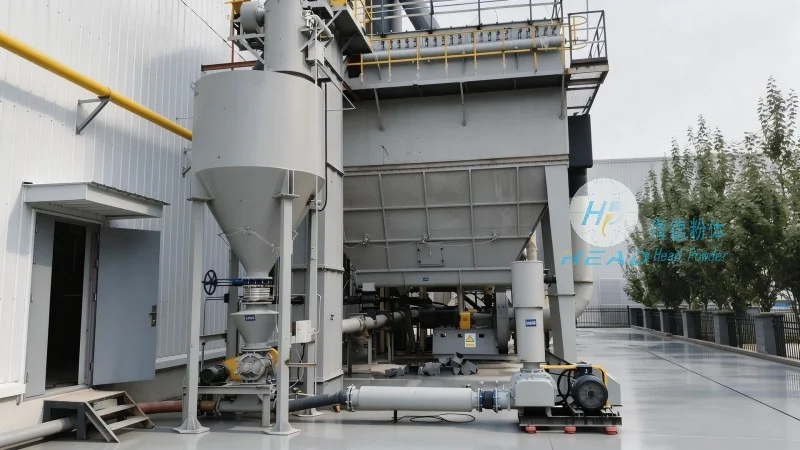
- Air Velocity: The air velocity must be high enough to maintain the material in suspension but not so high as to cause excessive wear on the pipe or equipment.
- Material Properties: The size, density, and shape of the sodium bicarbonate particles affect the required air velocity and system design. Coarser particles may require higher air velocities to prevent settling.
- System Pressure: The pressure in the conveying line determines the distance the material can travel and the overall efficiency of the system. Higher pressure allows for longer transport distances but may increase energy consumption.
Advantages of Using Pneumatic Conveying for Sodium Bicarbonate
Implementing a pneumatic conveying system for sodium bicarbonate offers several advantages over traditional methods:
- Efficiency and Speed: Pneumatic systems can transport materials quickly and efficiently, reducing downtime and increasing production throughput.
- Reduced Contamination: The enclosed pipe system prevents contamination from external sources, ensuring the purity of the sodium bicarbonate.
- Low Maintenance: With fewer moving parts compared to mechanical conveyors, pneumatic systems require less maintenance and have a longer service life.
- Flexibility: These systems can be easily modified or expanded to accommodate changes in production needs or material handling requirements.
HeadPowder's Expertise in Pneumatic Conveying Solutions
Shandong HeadPowder Engineering Co., Ltd. (headpowder) has extensive experience in designing and implementing customized pneumatic conveying systems for sodium bicarbonate applications. Our team of engineers uses advanced technology and industry best practices to ensure that each system is tailored to meet the specific needs of our clients. We focus on delivering reliable, efficient, and cost-effective solutions that enhance the overall performance of material handling operations.