HeadPowder, a leading manufacturer based in Shandong, China, specializes in the design and production of advanced pneumatic conveying systems tailored for the feed industry. The feed material pneumatic conveying machine is a critical piece of equipment that efficiently transports bulk materials like feed ingredients, ensuring smooth and reliable operation in feed processing facilities.
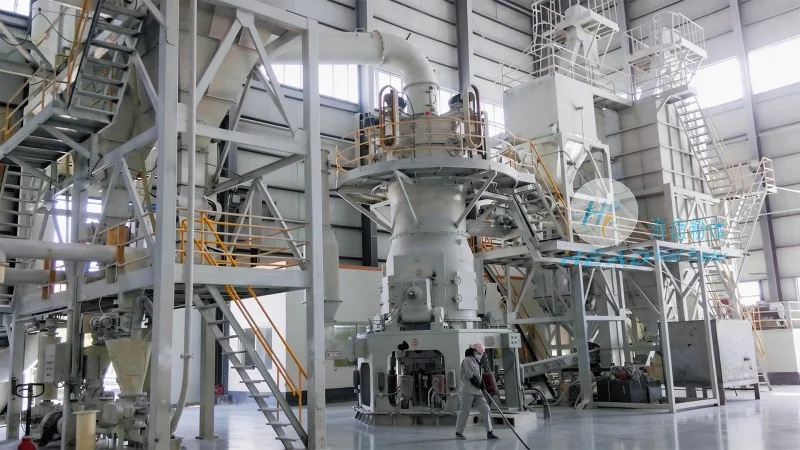
Key Components and Structure
The feed material pneumatic conveying machine typically consists of several key components, including a hopper for material storage, a blower or air compressor to generate the necessary airflow, a pipeline system for material transport, and a discharge unit at the receiving end. The design is optimized to handle various feed materials, such as grains, pellets, and powders, with minimal degradation and loss. The robust construction ensures durability and long-term performance, making it suitable for high-volume feed processing operations.
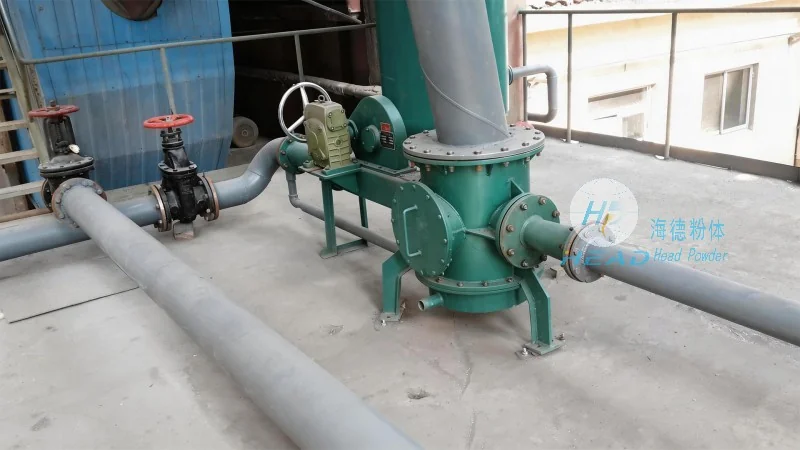
Operation Process: Step-by-Step
The operation of a feed material pneumatic conveying machine involves a series of controlled steps to ensure efficient material transfer. First, the feed material is loaded into the hopper, where it is stored and prepared for transport. The blower then starts, creating a low-pressure or high-pressure airflow within the pipeline system. As the air flows through the pipeline, it draws the feed material from the hopper and propels it to the discharge point. The material is carried in the air stream as a suspension, moving through the pipeline with minimal friction and resistance. At the receiving end, the material is separated from the air, often through a cyclone separator or a filter, and collected in a designated container. This process is continuous and automated, allowing for consistent and reliable material handling.
Working Principle: How It Works
The working principle of the feed material pneumatic conveying machine is based on the principles of fluid dynamics and particle transport. The system operates by creating a pressure differential between the inlet and outlet of the pipeline. The blower generates a high-velocity air flow, which creates a suction effect at the hopper inlet, drawing the feed material into the air stream. The material particles are entrained in the air and transported through the pipeline due to the kinetic energy of the air flow. The design of the pipeline, including bends and fittings, is carefully engineered to minimize pressure loss and maintain the stability of the material-air suspension. The discharge unit at the end of the pipeline uses a separator to separate the material from the air, ensuring that the feed is delivered to the next stage of processing without contamination or loss.
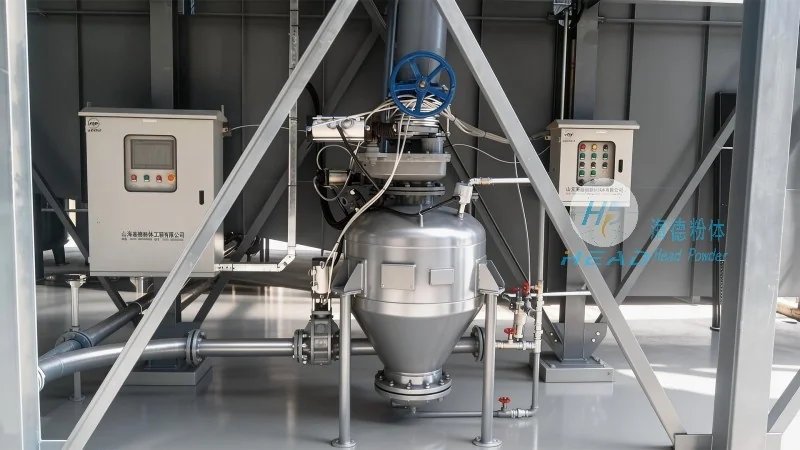
Advantages and Applications
Feed material pneumatic conveying machines offer several advantages over traditional mechanical conveying systems. They provide a dust-free and hygienic environment, which is crucial for feed processing to maintain product quality and safety. The system is also flexible, allowing for easy integration into existing feed processing lines and the ability to transport materials over long distances with minimal maintenance. These machines are widely used in feed mills, pet food production facilities, and animal feed processing plants, where the efficient and reliable transport of bulk feed materials is essential for operational efficiency and product consistency.




