Shandong HeadPowder Engineering Co., Ltd., a leading manufacturer in the field of material handling equipment, specializes in the design and production of advanced pneumatic conveyors tailored for handling lancang coal materials. Based in Shandong, China, the company leverages years of industry experience to deliver reliable and efficient solutions for various industrial applications. This article provides a detailed overview of the operating process and working principle of their pneumatic conveyors, highlighting the key components, operational mechanisms, and benefits of using such equipment for handling lancang coal.
Working Principle of Pneumatic Conveyors for Lancang Coal
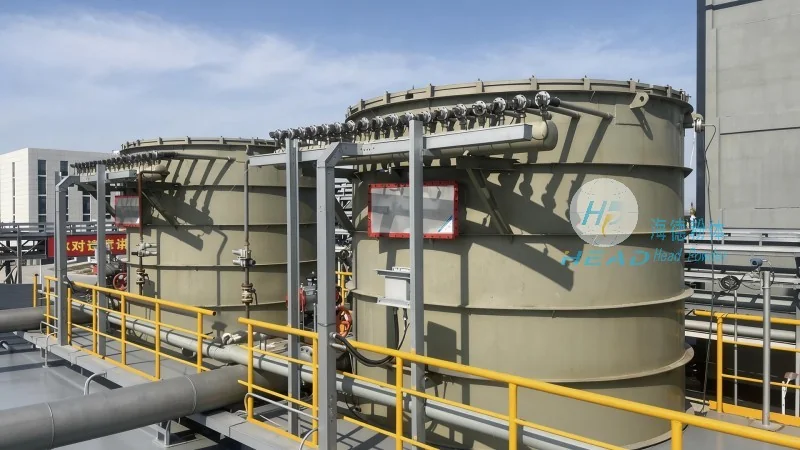
The core of a pneumatic conveyor system for lancang coal materials is the ability to transport bulk materials through a pipeline using air pressure. The system typically operates on either positive pressure or negative pressure (suction) principles. In a positive pressure system, air is forced through the pipeline at a high velocity, creating a stream that entrains the coal particles and propels them forward. The headpowder engineers have optimized the air flow dynamics to ensure efficient material transport with minimal pressure drop and energy consumption. The negative pressure system, on the other hand, draws the material and air mixture into the pipeline using a vacuum created by a fan or blower. This method is particularly useful for applications requiring dust collection and material recovery.
Operating Process of Pneumatic Conveyors for Lancang Coal
The operation of a pneumatic conveyor for lancang coal materials involves several sequential steps that ensure smooth and continuous material handling. The process begins with the loading of the coal into the hopper or feeder. The feeder then regulates the flow of coal into the conveyor line, ensuring a consistent feed rate. As the coal enters the pipeline, the air stream (either positive or negative pressure) picks up the particles and transports them to the discharge point. The system is equipped with pressure sensors and flow meters to monitor the operational parameters, allowing for real-time adjustments to maintain optimal performance. At the discharge end, the coal is separated from the air using a cyclone separator or a filter, and the air is either recirculated or vented, depending on the system design. The entire process is automated to minimize human intervention, enhancing safety and operational efficiency.
Key Components of the Pneumatic Conveyor System
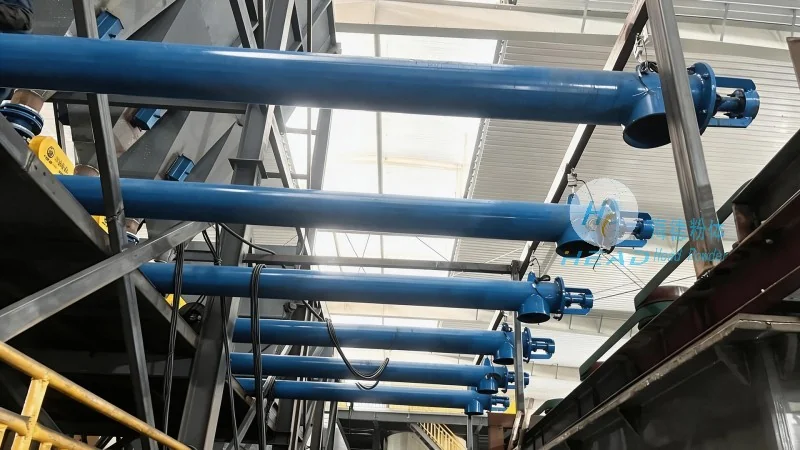
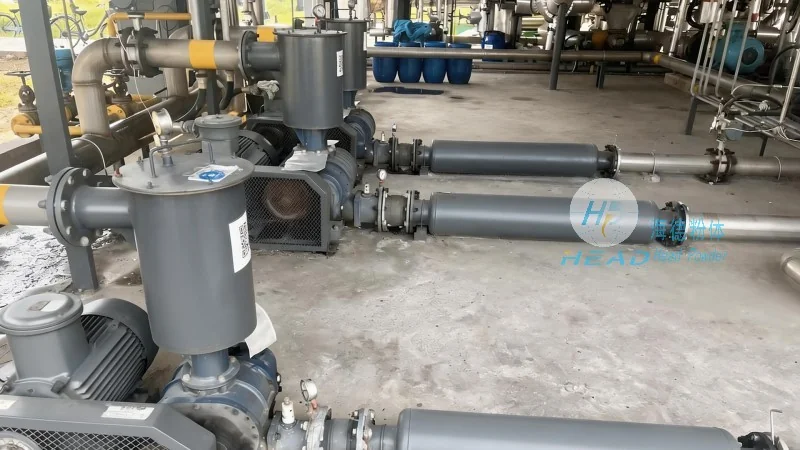
Several critical components work in tandem to ensure the effective operation of the pneumatic conveyor for lancang coal. The hopper or feeder is the initial point where the coal is loaded, and it is designed to prevent material bridging and ensure a uniform flow. The pipeline, usually made of stainless steel or other corrosion-resistant materials, is engineered to withstand the abrasive nature of the coal and maintain air tightness. The air mover, which can be a positive displacement blower or a centrifugal fan, provides the necessary pressure or vacuum to drive the material through the system. The control system, including sensors and valves, regulates the air flow and material feed, ensuring that the conveyor operates within safe and efficient parameters. The discharge system, such as a cyclone or a filter, separates the coal from the air, preventing dust emissions and maintaining air quality. The system also includes safety features like pressure relief valves and emergency shut-off mechanisms to protect operators and equipment from potential hazards.
Advantages of Using Pneumatic Conveyors for Lancang Coal
Employing pneumatic conveyors for handling lancang coal materials offers numerous advantages over traditional methods like belt conveyors or bucket elevators. One of the primary benefits is the ability to transport materials in a closed system, which significantly reduces dust emissions and improves workplace safety. This is particularly important for handling coal, which can generate fine particles that are harmful if inhaled. Additionally, the system allows for flexible and space-saving layouts, as the pipeline can be routed around obstacles and in tight spaces. The positive pressure system, for example, can transport coal over long distances with minimal pressure loss, making it suitable for large-scale industrial operations. The negative pressure system is ideal for applications requiring material recovery, such as in coal processing plants where dust collection is necessary. Furthermore, the automated operation of the conveyor reduces labor costs and increases productivity, as the system can run continuously without the need for constant manual monitoring.
Conclusion
Shandong HeadPowder Engineering Co., Ltd. has developed a robust and efficient pneumatic conveyor system specifically designed for handling lancang coal materials. By leveraging advanced engineering principles and materials, the company ensures that the system operates reliably and with high performance. The operating process, which involves loading, conveying, and discharging, is optimized to minimize energy consumption and maximize material throughput. The working principle, based on air pressure, provides a flexible and versatile solution for various industrial needs. With its closed system design and automated operation, the pneumatic conveyor offers significant advantages in terms of safety, efficiency, and cost-effectiveness. For industries dealing with lancang coal, this equipment represents a superior choice for material handling, ensuring smooth operations and compliance with environmental standards.




