Malting material pneumatic conveying machines, as advanced equipment in the grain processing industry, are widely used for the efficient transportation of malt and other bulk materials. The operation process of these machines is designed to ensure smooth and reliable material transfer from the storage area to the processing line. The process typically begins with the loading of the malting material into the hopper. The hopper is equipped with a feeding mechanism that can be adjusted to control the flow rate of the material. Once the material is loaded, the pneumatic conveying system is activated. The system uses compressed air to create a pressure differential that propels the material through the pipeline. The compressed air is introduced into the conveying line at the inlet, where it mixes with the material and forms a slurry-like flow. This flow moves the material along the pipeline to the discharge point. The discharge point is usually located at the processing facility, such as a malt mill or a storage silo. The entire process is automated, with sensors and control systems monitoring the flow rate and pressure to maintain optimal performance. The operation is energy-efficient and reduces the need for manual handling, which minimizes labor costs and improves workplace safety.
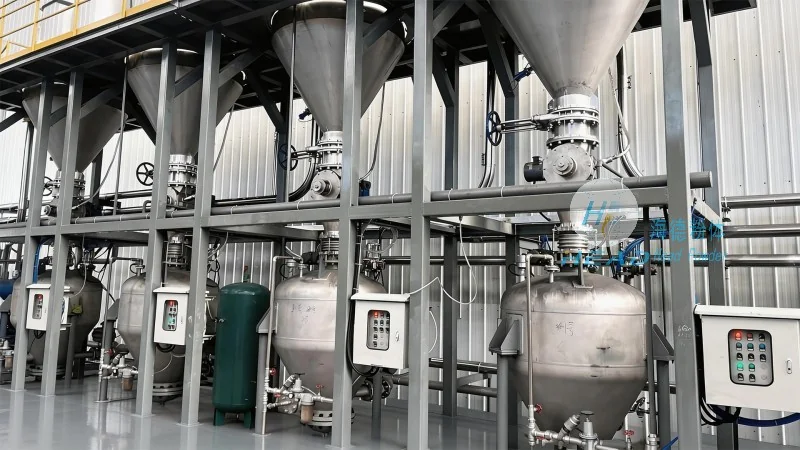
Working Principle of Malting Material Pneumatic Conveying Machines
The working principle of malting material pneumatic conveying machines is based on the principles of fluid dynamics and air pressure. The core components include a hopper, a blower or compressor, a conveying pipeline, and a discharge valve. The hopper serves as the storage and feeding unit, where the malting material is placed. The blower or compressor generates high-pressure air, which is then directed into the conveying pipeline. As the air flows through the pipeline, it creates a low-pressure zone at the inlet, which draws the material from the hopper into the pipeline. The material is then carried along the pipeline by the air flow. The pipeline is designed with appropriate bends and fittings to ensure the material moves smoothly without blockages. The discharge valve at the end of the pipeline controls the release of the material into the processing area. The system operates on the principle of pneumatic transport, where the material is suspended and transported by the air stream. This method is particularly effective for handling fine or powdery materials like malt, as it prevents material degradation and ensures consistent quality. The control system adjusts the air pressure and flow rate to maintain the desired conveying speed and material flow rate. By optimizing these parameters, the machine can handle different types of malting materials with varying particle sizes and moisture content.
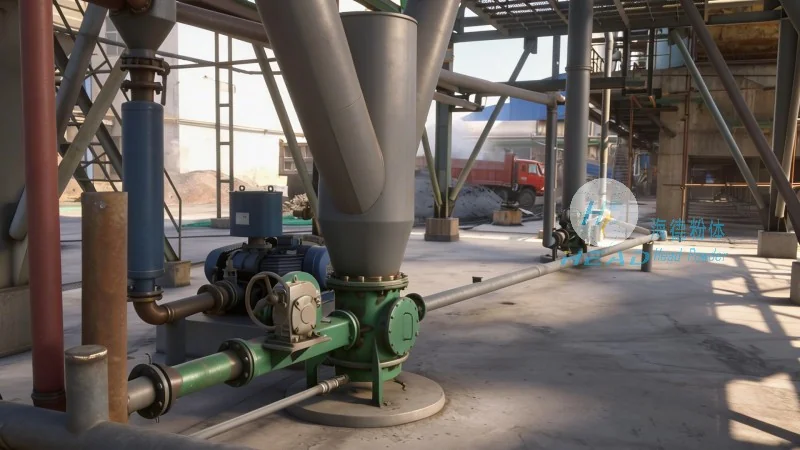
Key Components and Their Functions in Malting Material Pneumatic Conveying Systems
Malting material pneumatic conveying machines consist of several key components that work together to ensure efficient operation. The hopper is the primary storage unit, designed to hold a large volume of malting material. It is equipped with a feeding device, such as a rotary valve or a screw feeder, which regulates the material flow into the conveying line. The blower or compressor is the power source, providing the necessary air pressure to move the material. The conveying pipeline is made of durable materials like stainless steel or plastic, which can withstand the pressure and abrasion from the material. The pipeline is typically laid out in a straight or slightly inclined path to facilitate material movement. The discharge valve at the end of the pipeline controls the release of the material into the processing area. It can be adjusted to control the flow rate and prevent overloading. The control system, which includes sensors and a control panel, monitors the pressure, flow rate, and material level. It adjusts the blower speed or air pressure to maintain optimal performance. The filter system is also an important component, as it removes dust and particles from the air before it is released into the environment. This ensures compliance with environmental regulations and maintains air quality in the workplace. Each component plays a critical role in the overall operation of the pneumatic conveying system, and their proper maintenance is essential for long-term performance and reliability.
Advantages of Using Malting Material Pneumatic Conveying Machines
Malting material pneumatic conveying machines offer several advantages over traditional material handling methods. First, they provide a clean and hygienic method of transporting materials, which is crucial in the food processing industry. The enclosed system prevents contamination from external sources and maintains the quality of the malting material. Second, they are highly efficient in terms of energy consumption. The pneumatic system uses compressed air, which is more energy-efficient than mechanical conveyors that require moving parts and more power. Third, they reduce labor costs by automating the material handling process. The machines can operate continuously without the need for manual intervention, freeing up labor for other tasks. Fourth, they improve workplace safety by eliminating the need for manual handling of heavy or bulky materials. The automated system reduces the risk of accidents and injuries. Fifth, they offer flexibility in terms of material handling. The system can be adjusted to handle different types of malting materials with varying particle sizes and moisture content. This makes them suitable for various applications in the malt processing industry. Overall, malting material pneumatic conveying machines are a cost-effective and efficient solution for material transportation in the grain processing sector.
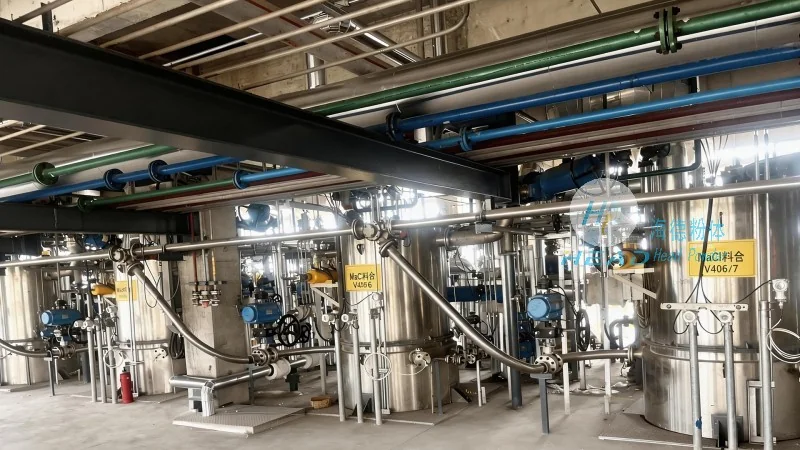
Applications in the Malt Processing Industry
Malting material pneumatic conveying machines are widely used in the malt processing industry for various applications. One of the primary applications is the transportation of malt from storage silos to the malt mill. The machine can efficiently move large quantities of malt over long distances without the need for intermediate storage. Another application is the transfer of malt from the mill to the packaging area. The system can handle the material with minimal loss and maintain its quality. Additionally, the machines are used in the production of malt extract, where the material needs to be transported from the extraction tanks to the storage tanks. The pneumatic conveying system ensures that the material is transferred without contamination and with consistent quality. The machines are also used in the brewing industry, where malt is a key ingredient in beer production. The efficient transportation of malt ensures that the brewing process is smooth and consistent. In summary, malting material pneumatic conveying machines are essential equipment in the malt processing industry, providing reliable and efficient material handling solutions.




