HeadPowder, a leading manufacturer based in Shandong, China, specializes in the design and production of advanced pneumatic conveying systems tailored for handling micronized materials. These systems are essential in various industrial applications where efficient and dust-free material transport is critical. The following article provides a detailed overview of the operation process and working principles of such equipment, highlighting the key components and mechanisms involved.
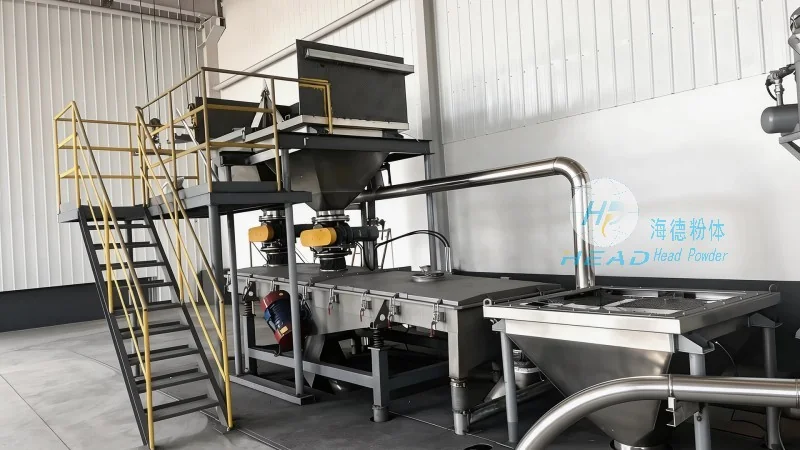
Key Components of Micronized Material Pneumatic Conveying Systems
The core components of a pneumatic conveying system for micronized materials typically include a material hopper, a feeder, a conveying pipeline, a pressure vessel or receiver, and a dust collector. The material hopper is designed to store the micronized material, ensuring a consistent feed. The feeder, often a rotary valve or a screw feeder, regulates the flow of material into the pipeline. The conveying pipeline, usually made of stainless steel or other corrosion-resistant materials, transports the material under pressure. The pressure vessel or receiver collects the conveyed material and may include a filter to separate any fine particles. The dust collector, such as a cyclone or baghouse, captures any airborne particles to maintain a clean and safe working environment.
Working Principle of Pneumatic Conveying for Micronized Materials
The operation of a pneumatic conveying system for micronized materials relies on the principle of air flow to transport particles. The system can be categorized into two main types: pressure and vacuum systems. In a pressure system, compressed air is introduced into the conveying pipeline, creating a positive pressure that pushes the material forward. The material is suspended in the air stream and moves through the pipeline to the receiver. In a vacuum system, a vacuum pump creates a negative pressure that draws the material from the hopper into the pipeline. Both systems are designed to handle fine powders, which can be challenging due to their tendency to agglomerate or create dust.
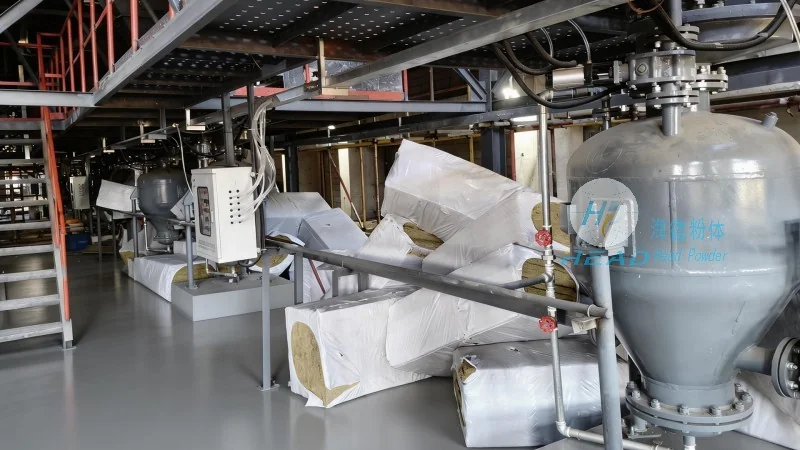
Operation Process: From Material Loading to Delivery
The operation process of a micronized material pneumatic conveying system begins with material loading into the hopper. The feeder then controls the flow rate, ensuring a steady supply of material. The compressed air or vacuum is activated, initiating the conveying process. As the material travels through the pipeline, it is kept in suspension by the air flow, preventing blockages and ensuring smooth transport. Upon reaching the receiver, the material is deposited, and the system may include a filter or separator to remove any residual particles from the air. The entire process is automated, with sensors and controls monitoring the flow rate, pressure, and material level to maintain optimal performance.
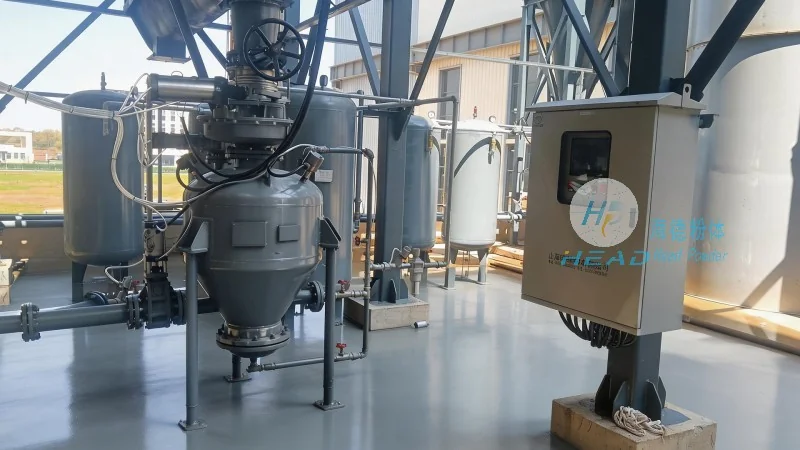
Advantages of Using Pneumatic Conveying for Micronized Materials
Implementing pneumatic conveying systems for micronized materials offers several advantages. Firstly, it provides a dust-free and hygienic transport method, which is crucial in industries like pharmaceuticals, food processing, and chemical manufacturing where contamination control is paramount. Secondly, the system is highly efficient, with minimal material loss and reduced maintenance compared to traditional methods like bucket elevators or belt conveyors. Additionally, pneumatic conveying allows for flexible and compact layouts, as the pipeline can be routed around obstacles and in various configurations. The system also enables precise control over material flow, ensuring consistent product quality and reducing waste.
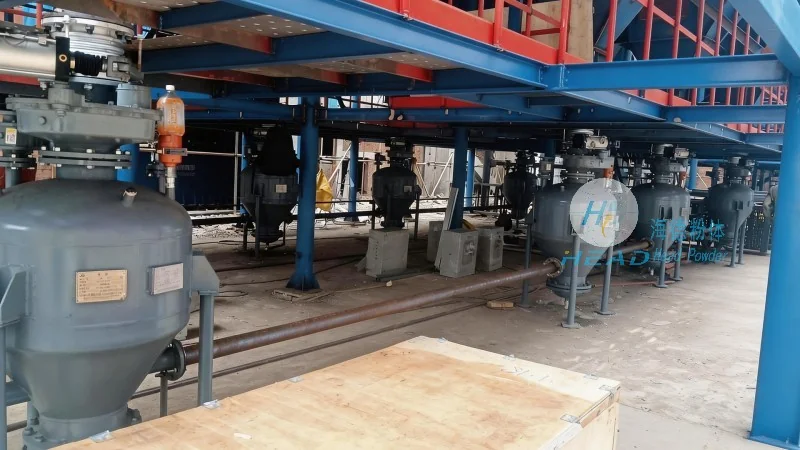
Applications and Industries Served
HeadPowder's pneumatic conveying systems for micronized materials are widely used across various industries. In the pharmaceutical industry, these systems are used to transport active pharmaceutical ingredients (APIs) and excipients with high precision and minimal contamination. In the food industry, they handle fine powders like sugar, flour, and spices, maintaining product quality and safety. The chemical industry utilizes these systems for transporting catalysts, pigments, and other fine chemicals. Additionally, in the mining and mineral processing sector, pneumatic conveying is employed to transport fine ores and powders from processing plants to storage or further processing units.
Conclusion
HeadPowder Engineering Co., Ltd., based in Shandong, China, offers advanced pneumatic conveying equipment designed to efficiently handle micronized materials. By understanding the operation process and working principles of these systems, industries can benefit from improved productivity, reduced contamination, and enhanced safety. The company's expertise in designing and manufacturing tailored solutions ensures that clients receive systems that meet their specific requirements, contributing to overall operational efficiency and product quality.




