

Analysis of Cement and Fly Ash Pneumatic Conveying Systems
HeadPowder, a leading engineering firm based in Shandong, China, specializes in the design, manufacturing, and installation of advanced pneumatic conveying systems tailored for the cement and fly ash industries. This article provides an in-depth analysis of such systems, highlighting their operational principles, key components, and the technical advantages they offer to modern material handling processes.
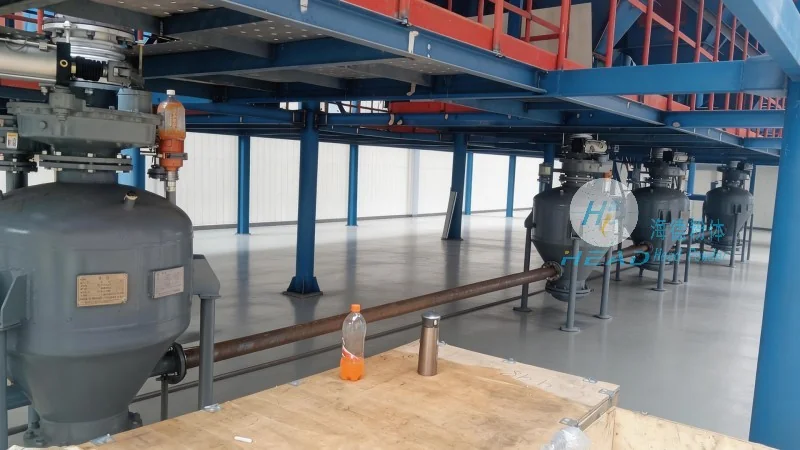
Understanding Pneumatic Conveying Systems
Pneumatic conveying systems utilize air or gas to transport bulk materials like cement and fly ash from one location to another. Unlike traditional mechanical conveying methods, these systems offer a flexible and efficient solution for handling fine and dusty materials, which are common in cement production and processing. The core principle involves creating a pressure differential to move materials through a pipeline network, ensuring minimal product degradation and reduced maintenance requirements.
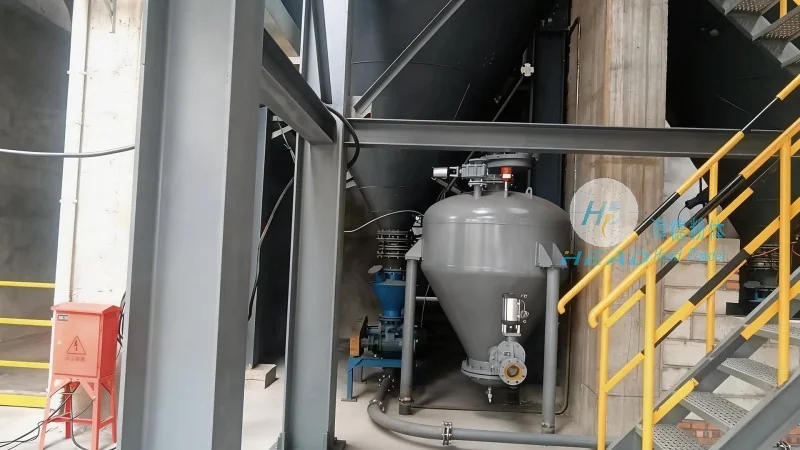
Key Components of a Cement and Fly Ash Pneumatic Conveying System
At the heart of any effective pneumatic conveying system are several critical components that work in tandem to ensure smooth material transport. These include:
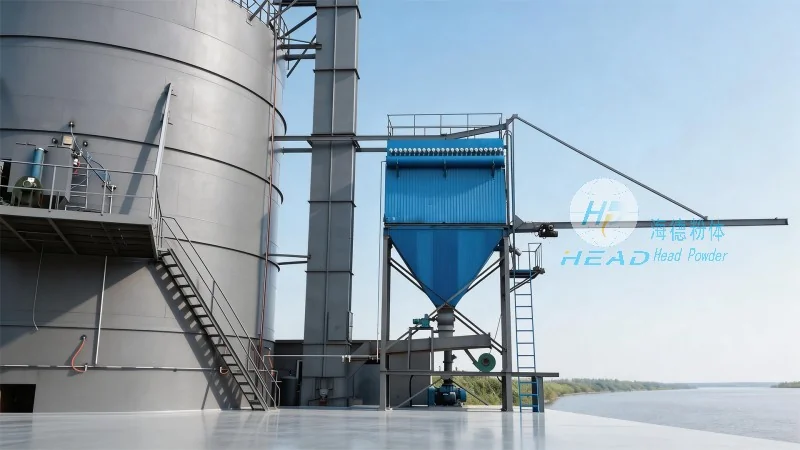
- Feeder Unit: The feeder is responsible for accurately metering and feeding the bulk material into the conveying line. For cement and fly ash, which are often stored in silos or hoppers, a rotary valve or a screw feeder is commonly used to maintain a consistent flow rate.
- Pneumatic Conveying Pipe: The pipeline network is the main conduit for transporting the material. It is typically made of stainless steel or high-density polyethylene (HDPE) to withstand the abrasive nature of cement and fly ash particles. The pipe diameter and length are carefully designed based on the material's characteristics, such as particle size, density, and moisture content.
- Blowers or Fans: These are the primary power sources that generate the necessary air pressure to move the material through the pipeline. Centrifugal blowers or positive displacement fans are commonly used, with the choice depending on the system's capacity and the required pressure.
- Separation and Collection Equipment: At the receiving end, the system includes components to separate the material from the air stream. This typically involves cyclone separators or bag filters, which ensure that the material is deposited accurately and that the air is cleaned before release.
- Control System: Modern pneumatic conveying systems are equipped with advanced control panels that monitor and regulate the flow rate, pressure, and temperature. This ensures optimal performance and allows for real-time adjustments to maintain efficiency.
Technical Advantages of Pneumatic Conveying for Cement and Fly Ash
Implementing a pneumatic conveying system for cement and fly ash offers several significant advantages over traditional methods:
- Reduced Downtime and Maintenance: Unlike mechanical conveyors that require regular lubrication and part replacement, pneumatic systems have fewer moving parts, leading to lower maintenance costs and extended operational life.
- Improved Material Quality: The enclosed pipeline design minimizes exposure to environmental factors, preventing contamination and degradation of the cement and fly ash. This is particularly important for high-quality cement products where purity is critical.
- Space Efficiency: Pneumatic conveying systems can be installed in tight spaces, as the pipeline can be routed vertically or horizontally with minimal footprint. This is advantageous in industrial settings where space is limited.
- Energy Efficiency: Advanced blowers and optimized system designs can reduce energy consumption compared to traditional conveying methods, contributing to lower operational costs.
- Flexibility and Scalability: The modular nature of pneumatic systems allows for easy expansion or reconfiguration as production needs change. This adaptability is crucial for growing cement and fly ash operations.
HeadPowder's Expertise in Pneumatic Conveying Solutions
Shandong HeadPowder Engineering Co., Ltd. has established itself as a trusted provider of customized pneumatic conveying solutions for the cement and fly ash industries. With years of experience and a team of skilled engineers, HeadPowder designs systems that are tailored to the specific requirements of each client. The company's approach involves thorough site assessments, material analysis, and system simulations to ensure that the final solution meets all operational and safety standards.
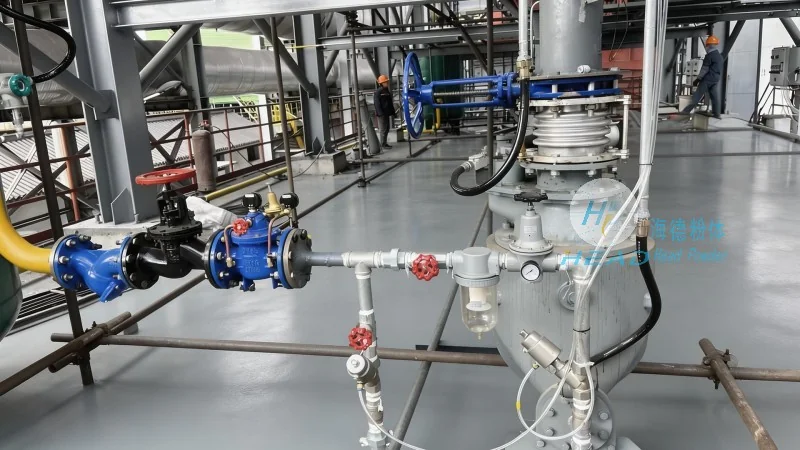
HeadPowder's commitment to quality is reflected in its use of high-grade materials and adherence to international engineering standards. Each system is manufactured with precision and rigorously tested before delivery, ensuring that it performs as intended in real-world applications. The company also provides comprehensive after-sales support, including maintenance services and technical assistance, to help clients maximize the lifespan and efficiency of their conveying systems.