For industrial applications involving the transport of rice noodle materials, the pneumatic conveying system offers an efficient and reliable solution. This article delves into the operation process and working principle of such equipment, highlighting its benefits and practical implementation in production lines.
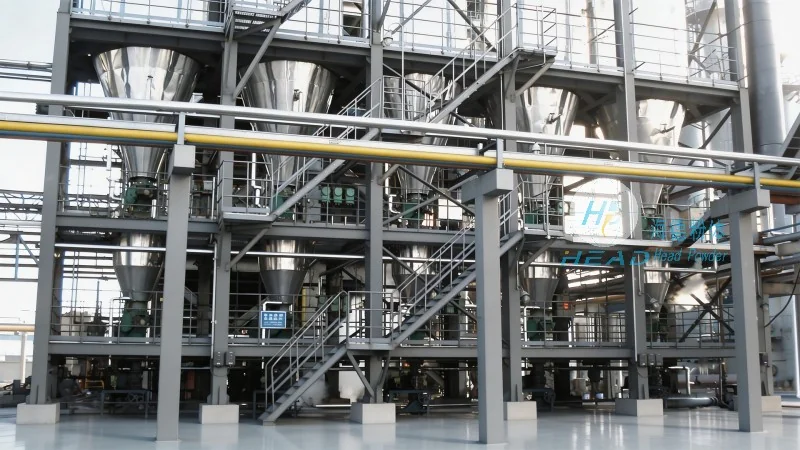
Introduction to Pneumatic Conveying Systems for Rice Noodle Materials
HeadPowder, a leading manufacturer based in Shandong, China, specializes in the design and production of advanced pneumatic conveying machines tailored for the food processing industry. The rice noodle material pneumatic conveying machine is engineered to handle the unique characteristics of rice noodle powders, ensuring minimal product degradation and optimal flow control. This system is particularly valuable in factories where maintaining product quality and hygiene is paramount.
Working Principle of the Pneumatic Conveying Machine
The core of the pneumatic conveying machine is its ability to transport materials through a pressurized or vacuum air stream. The process begins with the material being fed into the hopper, where it is then drawn into the conveying line by the air flow. The machine utilizes a combination of positive pressure (blowing air) or negative pressure (suction) to move the rice noodle material from the source to the destination. The system typically includes components such as a hopper, feeder, conveying pipe, and a receiver, all working in tandem to ensure smooth material transfer.
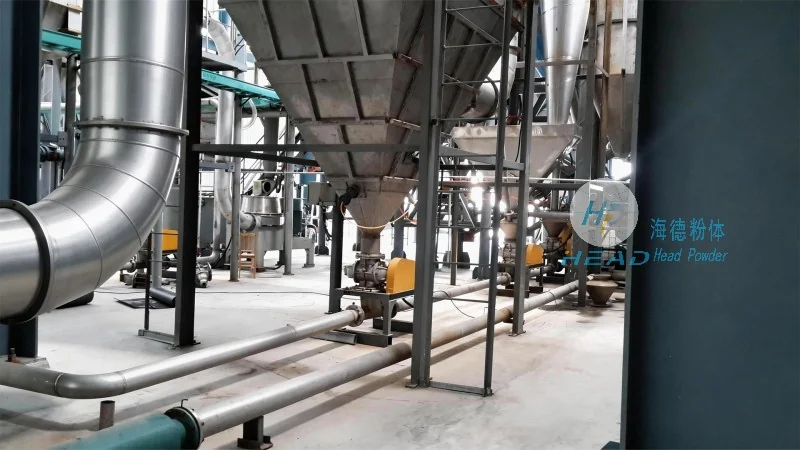
Step-by-Step Operation Process
1. **Material Loading**: The rice noodle material is loaded into the hopper, which is equipped with a feeding mechanism to regulate the flow rate. This step ensures that the material is fed consistently into the system, preventing blockages and maintaining steady operation.
2. **Air Intake and Compression**: The conveying system draws in air from the environment or uses a compressor to generate the necessary pressure. The air is then mixed with the rice noodle material, creating a slurry-like mixture that can be transported through the pipeline.
3. **Conveying Through the Pipeline**: The mixture travels through the conveying pipe under pressure. The design of the pipe, including bends and valves, is optimized to minimize friction and maintain the integrity of the material. The system may use different types of pipes, such as flexible hoses or rigid metal conduits, depending on the application requirements.
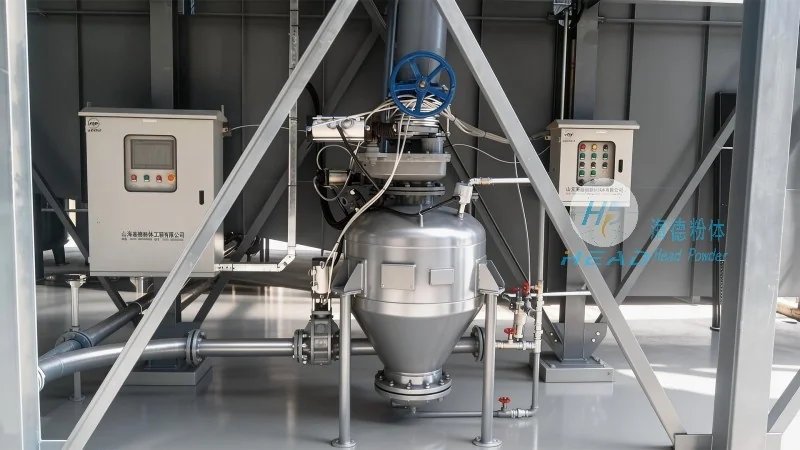
4. **Material Discharge and Separation**: At the receiving end, the air and material are separated. The rice noodle material is collected in the receiver, while the air is either vented or recirculated back into the system. This separation process is crucial for maintaining product purity and preventing contamination.
Key Features and Benefits
The rice noodle material pneumatic conveying machine from HeadPowder offers several advantages over traditional mechanical conveying methods. These include:
- Hygienic and Clean Operation: The system is designed to minimize direct contact with the material, reducing the risk of contamination and ensuring compliance with food safety standards.
- Reduced Product Degradation: The gentle handling of the material through the air stream helps preserve the quality and texture of rice noodles, extending their shelf life and improving product consistency.
- Space Efficiency: Pneumatic conveying systems are compact and can be installed in various layouts, making them suitable for factories with limited space.
- Versatility: The machine can handle a wide range of material types and flow rates, adapting to different production needs.
Applications in Rice Noodle Production
In rice noodle manufacturing, the pneumatic conveying machine is used in various stages, such as transporting raw materials (like rice flour) from storage to the production line, moving finished products to packaging areas, or transferring waste materials for disposal. The system's ability to handle fine powders without clogging makes it ideal for these applications, ensuring smooth production flow and minimal downtime.
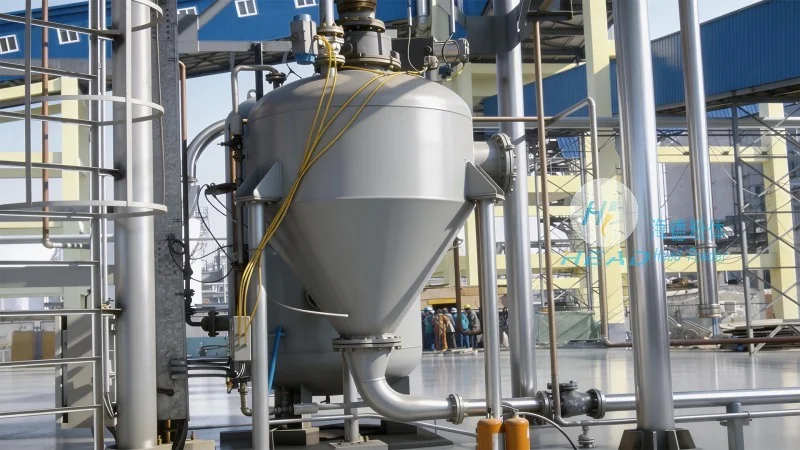
Maintenance and Operational Tips
To ensure the long-term performance and reliability of the pneumatic conveying machine, regular maintenance is essential. HeadPowder recommends the following practices:
- Regular Cleaning: The hopper, feeder, and conveying pipe should be cleaned regularly to prevent material buildup and maintain air flow efficiency.
- Filter Maintenance: The air filter should be checked and replaced as needed to prevent dust accumulation and ensure clean air is used in the system.
- Pressure Monitoring: Monitoring the system's pressure levels helps identify any issues early, allowing for timely adjustments and preventing equipment damage.
- Material Compatibility Checks: Ensuring that the material being conveyed is compatible with the system's components (e.g., avoiding corrosive materials that could damage the pipe) is crucial for longevity.
Conclusion
The rice noodle material pneumatic conveying machine from Shandong HeadPowder Engineering Co., Ltd. represents a sophisticated solution for efficient material handling in the food processing industry. By understanding its working principle and operation process, manufacturers can optimize their production lines, enhance product quality, and improve overall operational efficiency. With its advanced design and reliable performance, this equipment is a valuable asset for any rice noodle production facility.




