For industrial applications involving the transport of carbonaceous granular materials, pneumatic conveying lines offer an efficient and reliable solution. These systems are designed to move bulk materials through a pipeline using air or gas as the conveying medium. Understanding the operation process and working principle of such lines is crucial for optimizing performance and ensuring smooth material handling operations. This article provides a detailed overview of the key components, operational steps, and underlying principles that govern the functionality of pneumatic conveying lines for carbonaceous granular materials, with a focus on the expertise of Shandong HeadPowder Engineering Co., Ltd. (headpowder), a leading provider in this field based in China.
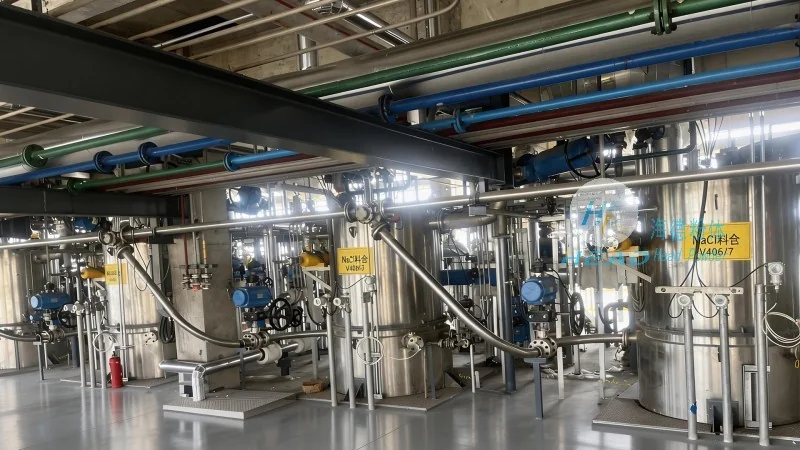
Key Components of Pneumatic Conveying Systems for Carbonaceous Granular Materials
The pneumatic conveying line for carbonaceous granular materials typically consists of several essential components that work in tandem to facilitate material transport. The primary components include a material hopper or feeder, a conveying pipeline, a blower or compressor to generate the air flow, a control system for regulating pressure and flow, and a discharge or collection device at the receiving end. The material hopper is responsible for storing and feeding the carbonaceous granules into the system, ensuring a consistent and controlled supply of material. The conveying pipeline, often made of durable materials like stainless steel or plastic, provides the pathway for both the material and the air. The blower or compressor generates the necessary air pressure and velocity to move the granules through the pipeline. The control system monitors and adjusts the air flow and pressure to maintain optimal conveying conditions. Finally, the discharge device collects the material at the end of the pipeline, completing the transport process. Each component plays a critical role in the overall efficiency and reliability of the pneumatic conveying system.
Working Principle of Pneumatic Conveying Lines
The working principle of pneumatic conveying lines for carbonaceous granular materials is based on the fundamental concept of fluidization and suspension. When air is introduced into the conveying pipeline at a sufficient velocity, it creates a flow that lifts and transports the granules. The air flow acts as a fluid medium, suspending the particles and moving them along the pipeline. The key to effective conveying is achieving the right air velocity and pressure to ensure that the granules remain suspended and do not settle or clog the pipeline. The process begins with the material being fed from the hopper into the pipeline. The blower then generates the air flow, which carries the granules forward. As the material travels through the pipeline, it may encounter bends, changes in direction, or additional components like filters or separators, which help maintain the flow and prevent blockages. The discharge device at the receiving end collects the material, completing the cycle. The entire process is controlled by the system's control unit, which adjusts the air flow parameters based on real-time conditions to ensure consistent and efficient material transport.
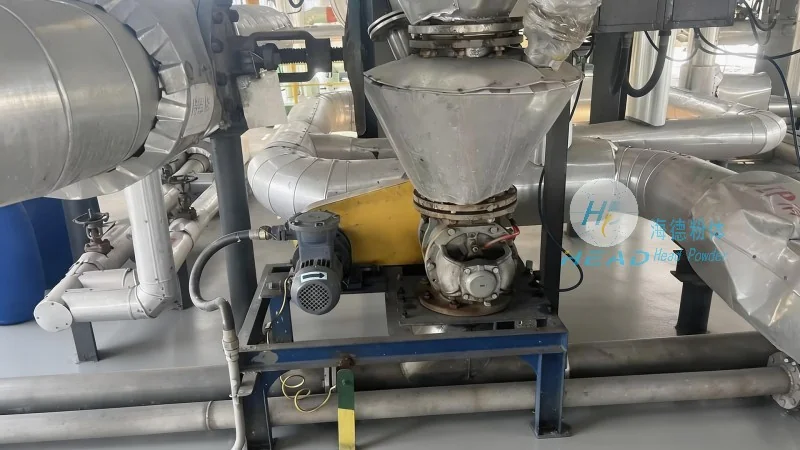
Operation Process of Pneumatic Conveying Lines
The operation process of a pneumatic conveying line for carbonaceous granular materials involves several sequential steps that ensure smooth and continuous material handling. The first step is the preparation phase, where the material is loaded into the hopper and the system is checked for proper functionality. This includes verifying that the blower is operational, the pipeline is clear, and all control settings are set to the appropriate levels. The second step is the start-up phase, where the blower is activated and the air flow is initiated. The material is then fed from the hopper into the pipeline as the air flow carries it forward. The system monitors the pressure and flow rates to ensure that the conveying conditions are optimal. During operation, the control system continuously adjusts the air flow to maintain the desired pressure and velocity, preventing issues such as material buildup or clogging. The third step is the monitoring phase, where the system's performance is tracked in real time. This includes checking for any signs of blockages, pressure drops, or changes in material flow rate. If any issues are detected, the control system may adjust the air flow or activate alarms to alert operators. The final step is the shutdown phase, where the system is safely turned off, and the pipeline is cleared of any remaining material. Proper shutdown procedures are essential to prevent damage to the equipment and ensure that the system is ready for the next operation cycle. Throughout the operation process, the expertise of Shandong HeadPowder Engineering Co., Ltd. is evident in the design and implementation of systems that optimize performance and reliability.
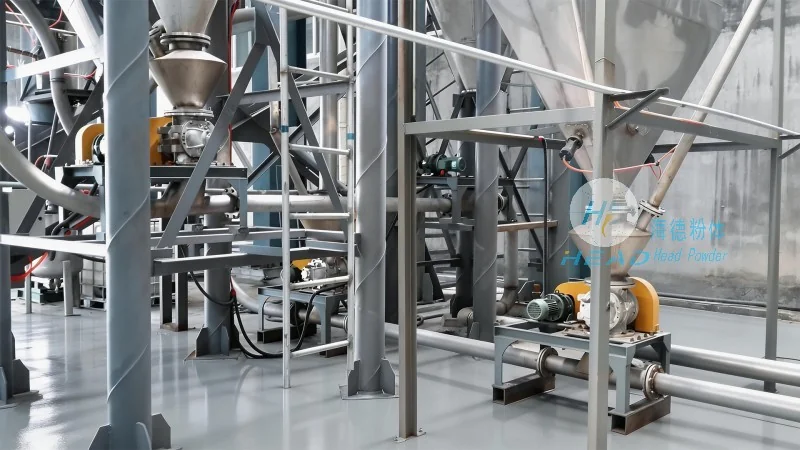
Advantages of Pneumatic Conveying Lines for Carbonaceous Granular Materials
Pneumatic conveying lines offer several advantages over traditional material handling methods, making them a preferred choice for many industrial applications. One of the primary advantages is the ability to transport carbonaceous granular materials over long distances without the need for intermediate storage or handling. This reduces the risk of material degradation and contamination, which is particularly important for materials like carbon black or graphite. The system also provides a closed-loop operation, which helps to contain dust and prevent environmental pollution. This is crucial for maintaining compliance with environmental regulations and ensuring workplace safety. Additionally, pneumatic conveying lines are highly flexible and can be easily integrated into existing production lines. They can handle a wide range of material sizes and densities, making them suitable for various industrial processes. The automated control systems also reduce the need for manual labor, improving operational efficiency and reducing labor costs. Furthermore, the systems are relatively compact and can be installed in confined spaces, which is beneficial for facilities with limited floor space. Overall, the advantages of pneumatic conveying lines make them a cost-effective and efficient solution for the transport of carbonaceous granular materials.
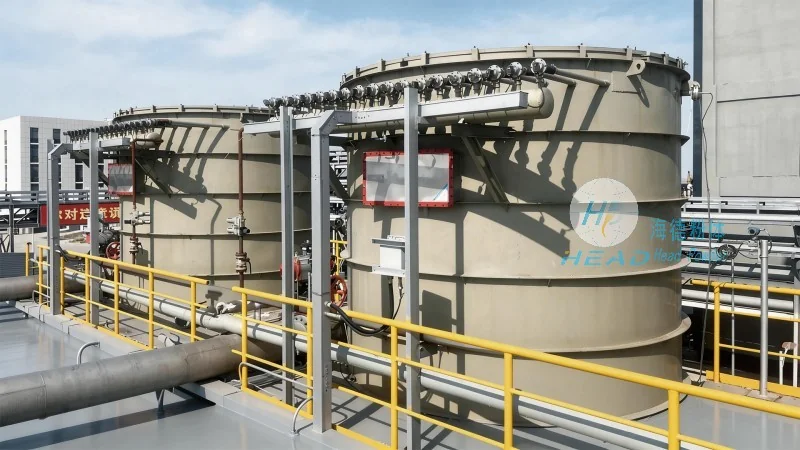
Applications and Industries Served by Pneumatic Conveying Lines
Pneumatic conveying lines for carbonaceous granular materials are widely used in various industries that require the transport of bulk materials. The primary industries served include the carbon industry, where materials like carbon black, graphite, and activated carbon are commonly handled. These materials are often used in the production of rubber, plastics, and other industrial products. The systems are also used in the chemical industry, where various chemical powders and granules are transported. Additionally, the food and pharmaceutical industries benefit from the use of pneumatic conveying lines, as they provide a hygienic and contamination-free method of handling materials. The automotive industry also utilizes these systems for the transport of carbon-based materials used in battery production and other components. The versatility of pneumatic conveying lines makes them suitable for a wide range of applications, from small-scale operations to large industrial facilities. The expertise of Shandong HeadPowder Engineering Co., Ltd. has enabled them to develop systems tailored to the specific needs of these industries, ensuring optimal performance and reliability.
Maintenance and Troubleshooting of Pneumatic Conveying Lines
Maintaining the proper functioning of pneumatic conveying lines for carbonaceous granular materials is essential to ensure long-term performance and reliability. Regular maintenance is required to prevent issues such as clogging, pressure drops, and equipment failure. The maintenance process typically includes cleaning the pipeline and components, checking for wear and tear, and replacing any worn parts. The material hopper and feeder should be cleaned regularly to prevent material buildup and ensure consistent feeding. The blower and compressor should be inspected for proper operation and lubricated as needed. The control system should be checked for any software or hardware issues that may affect performance. Troubleshooting is also an important part of maintaining the system. Common issues include blockages in the pipeline, which can be caused by material buildup or foreign objects. These issues can be resolved by clearing the blockage and adjusting the air flow parameters. Another common issue is pressure drops, which may indicate a problem with the blower or pipeline. In such cases, the system should be inspected for leaks or clogs and repaired as necessary. The expertise of Shandong HeadPowder Engineering Co., Ltd. provides comprehensive maintenance and troubleshooting services to ensure that their systems operate at peak performance. Their team of engineers and technicians are trained to handle a wide range of issues and provide timely solutions to minimize downtime and maximize productivity.




