For industrial applications involving the handling of chlorinated polyethylene (CPE) material, efficient and reliable material transport systems are crucial. Pneumatic conveying lines, as offered by Shandong HeadPowder Engineering Co., Ltd., provide a sophisticated solution that ensures safe, clean, and continuous movement of CPE from storage to processing units. This article delves into the operation process and working principles of such a system, highlighting the technical aspects and practical benefits for users in the field.
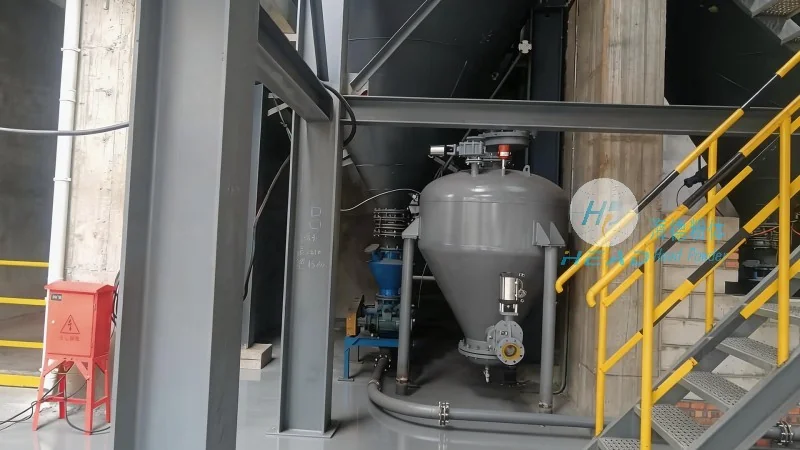
Company Overview: HeadPowder Engineering
HeadPowder, a leading manufacturer in material handling equipment, specializes in designing and supplying advanced pneumatic conveying solutions tailored to the unique needs of various industries. With a strong commitment to quality and innovation, the company has established itself as a trusted partner for businesses requiring efficient material transport systems. HeadPowder’s products are engineered to meet stringent industry standards, ensuring durability, performance, and safety in diverse operational environments. The company’s headquarters is located in Shandong, China, where it leverages local expertise and resources to deliver cutting-edge solutions to global markets.
Understanding Chlorinated Polyethylene (CPE) and Its Handling Requirements
Chlorinated polyethylene (CPE) is a thermoplastic polymer widely used in applications such as cable insulation, roofing membranes, and automotive parts due to its excellent weather resistance and flexibility. Handling CPE material requires specialized equipment to maintain its integrity and prevent degradation. Traditional methods like belt conveyors or manual handling may not be suitable for fine powders or granules, as they can lead to material loss, contamination, or uneven distribution. Pneumatic conveying lines address these challenges by utilizing air pressure to transport CPE in a controlled manner, minimizing product degradation and ensuring consistent quality.
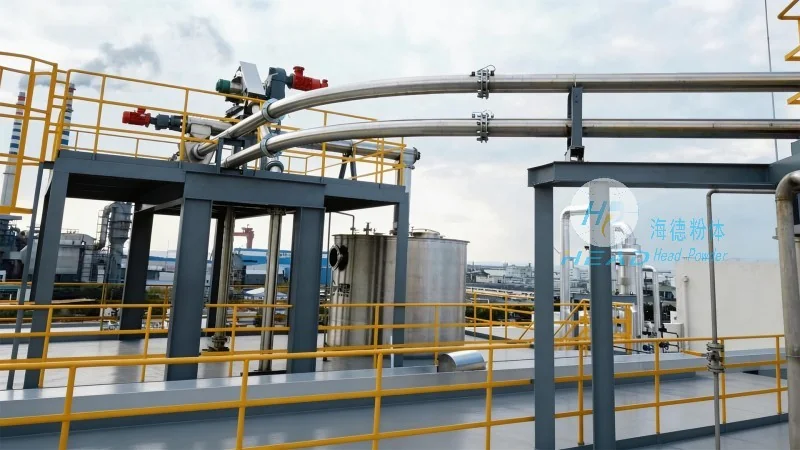
Key Components of a Pneumatic Conveying Line for CPE
A typical pneumatic conveying line for chlorinated polyethylene consists of several essential components that work in tandem to achieve efficient material transport. These components include a hopper or feeder for material storage and discharge, a conveying pipeline (often made of stainless steel or other corrosion-resistant materials to handle CPE’s chemical properties), a blower or air compressor to generate the necessary air pressure, and a control system to regulate the flow of material and air. Additional components may include filters, cyclones, and dust collectors to ensure clean air and prevent material buildup in the system. Each component is carefully selected and integrated to optimize performance and longevity.
The Operation Process: Step-by-Step Overview
The operation of a CPE pneumatic conveying line follows a systematic process that ensures smooth and continuous material transport. The process begins with the loading of CPE material into the hopper, where it is stored until needed. The feeder then regulates the flow of material into the conveying pipeline, ensuring a consistent feed rate. Simultaneously, the blower generates high-pressure air that is introduced into the pipeline, creating a flow that propels the CPE particles forward. As the material travels through the pipeline, it is mixed with the air, forming a slurry-like mixture that moves efficiently to the destination point. At the receiving end, a cyclone or separator separates the CPE from the air, allowing the material to be discharged into a storage bin or processing unit. The air, now filtered to remove any residual particles, is then released back into the environment or recirculated for energy efficiency. This cycle repeats continuously, providing a reliable and automated material transport solution.
Working Principles: How Pneumatic Conveying Works
The core principle of pneumatic conveying is the use of air pressure to move solid materials through a pipeline. There are two main types of pneumatic conveying systems: pressure and vacuum. For CPE applications, pressure systems are commonly used due to their ability to handle fine powders and provide high transport rates. In a pressure system, the blower supplies compressed air at a high pressure, which forces the CPE material through the pipeline. The air acts as a carrier, suspending the particles and transporting them to the destination. The velocity of the air and the size of the particles determine the efficiency of the conveying process. Proper design of the pipeline, including the use of bends, elbows, and expansion joints, is critical to minimize pressure drop and ensure smooth flow. The control system plays a vital role in maintaining the optimal air pressure and material flow, preventing issues such as blockages or uneven distribution.
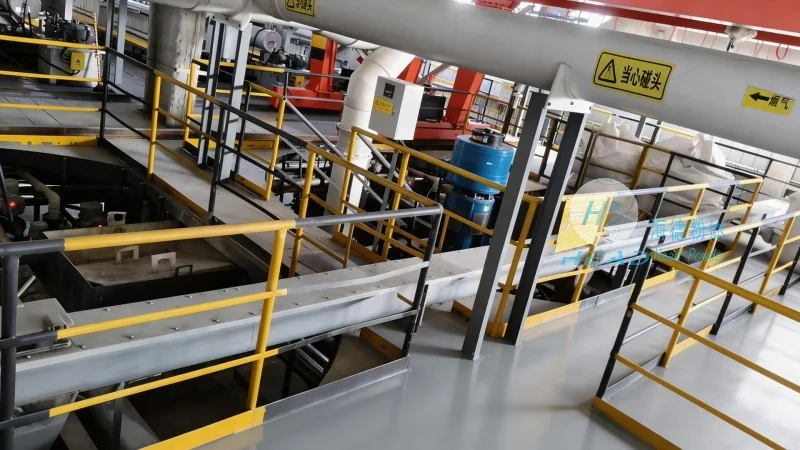
Benefits of Using Pneumatic Conveying for CPE Material
Implementing a pneumatic conveying line for chlorinated polyethylene offers numerous advantages for industrial operations. Firstly, it provides a clean and hygienic method of material transport, as the system is enclosed and prevents contamination from external sources. This is particularly important for CPE, which is often used in food or medical applications where purity is essential. Secondly, pneumatic conveying reduces material loss and waste, as the system is designed to capture and recycle any material that may escape. This improves overall material efficiency and reduces operational costs. Thirdly, the system offers high flexibility, allowing for easy integration with existing processing lines and adjustments to accommodate varying material quantities. Additionally, pneumatic conveying is energy-efficient compared to traditional methods, as it minimizes the need for manual labor and reduces energy consumption associated with material handling. Overall, the use of a pneumatic conveying line enhances productivity, safety, and cost-effectiveness in CPE handling operations.
Conclusion and Future Outlook
Shandong HeadPowder Engineering Co., Ltd. continues to innovate in the field of material handling, providing advanced pneumatic conveying solutions for chlorinated polyethylene material. The operation process and working principles of such systems are designed to meet the demanding requirements of modern industrial applications, ensuring efficient, reliable, and safe material transport. As industries increasingly prioritize sustainability and efficiency, the use of pneumatic conveying lines will likely become more prevalent, offering a sustainable alternative to traditional material handling methods. HeadPowder’s commitment to quality and customer satisfaction ensures that its products remain at the forefront of technological advancements, supporting the growth and success of businesses in the CPE industry.




