The operation of a pneumatic conveying machine designed for transporting pulverized fly ash particles involves a systematic process that ensures efficient material handling while maintaining system integrity. This equipment is crucial in industrial applications where the safe and reliable transport of fine particulate materials like fly ash is required. The machine combines advanced engineering with robust components to deliver consistent performance, making it an essential tool for industries dealing with bulk material transport.
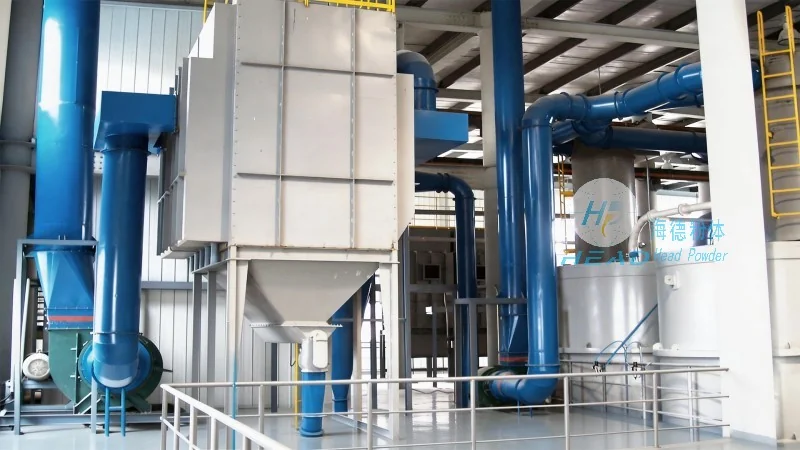
Operation Process of the Pneumatic Conveying Machine
The operation process of the pneumatic conveying machine for pulverized fly ash particles typically begins with the feeding of the material into the system. The fly ash is introduced into the hopper or feeder, where it is then transferred to the conveying line under controlled conditions. The machine uses a combination of air pressure or vacuum to move the particles through the pipeline. As the material travels, it is propelled by the air flow, which can be generated by a blower or a vacuum pump. The system is designed to maintain consistent flow rates, ensuring that the fly ash particles are transported without clogging or degradation. The process includes stages such as material intake, air-particle mixing, pipeline transport, and final discharge, each carefully managed to achieve optimal conveying efficiency.
Working Principle of the Pneumatic Conveying Machine
The working principle of the pneumatic conveying machine relies on the principles of fluid dynamics and particle-air interaction. In pressure-type systems, a blower or compressor creates positive pressure within the pipeline, pushing the fly ash particles forward. The air and particles are mixed in a specific ratio to achieve optimal conveying efficiency. The system includes components such as a hopper, feeder, pipeline, and receiver, each playing a critical role in the overall operation. The air flow is regulated to maintain the desired velocity, which is essential for preventing particle deposition and ensuring smooth transport. In vacuum-type systems, a vacuum pump creates a negative pressure that draws the fly ash particles into the pipeline, moving them from the source to the destination. The principle of differential pressure drives the material movement, making the system effective for both short and long-distance transport.
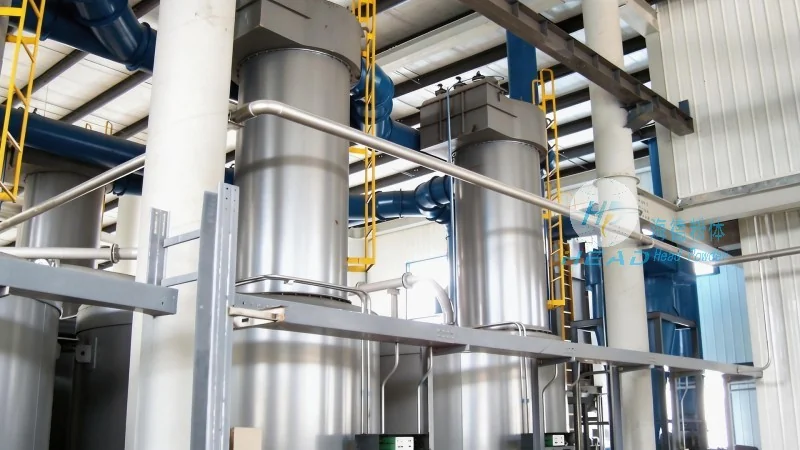
Key Components and Their Functions
Several key components are integral to the efficient operation of the pneumatic conveying machine for pulverized fly ash particles. The hopper serves as the storage and feeding unit, where the fly ash is held before being transferred to the conveying line. The feeder, often a rotary valve or screw feeder, controls the flow rate of the material into the pipeline, ensuring a consistent supply. The pipeline itself is made of durable materials, such as stainless steel or plastic, to withstand the abrasive nature of the fly ash particles and the air pressure. The blower or vacuum pump provides the necessary air flow, while the receiver or discharge hopper collects the transported fly ash at the destination. Each component is designed to work in harmony to achieve reliable and efficient material transport. The system also includes control devices like pressure regulators and flow meters to monitor and adjust the operation in real-time.
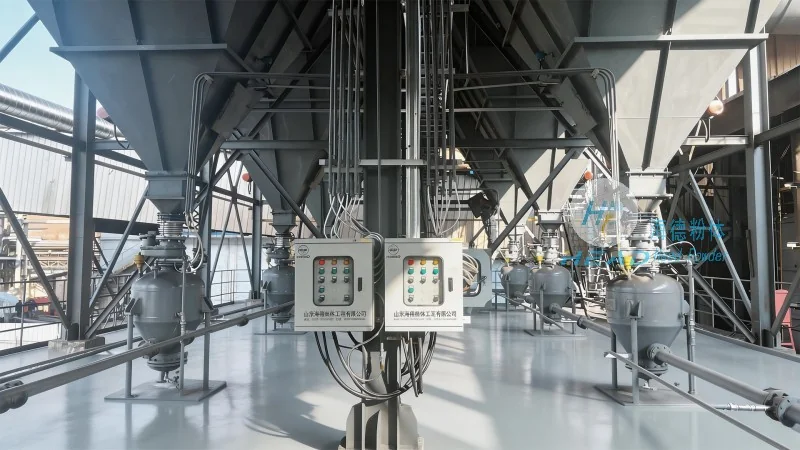
Advantages of Using Pneumatic Conveying for Fly Ash
Using a pneumatic conveying machine for transporting pulverized fly ash offers several advantages over traditional methods like belt conveyors or bucket elevators. One of the primary benefits is the ability to handle fine and abrasive particles without the risk of clogging or wear on the equipment. The system is also flexible, allowing for changes in the conveying route without major modifications. Additionally, pneumatic conveying can be integrated with other processes, such as dust collection and material storage, creating a more efficient overall system. The operation is relatively simple and requires less maintenance compared to other bulk material handling systems, making it a cost-effective solution for industrial applications. The machine also helps in reducing dust emissions and improving workplace safety by containing the material within the system.
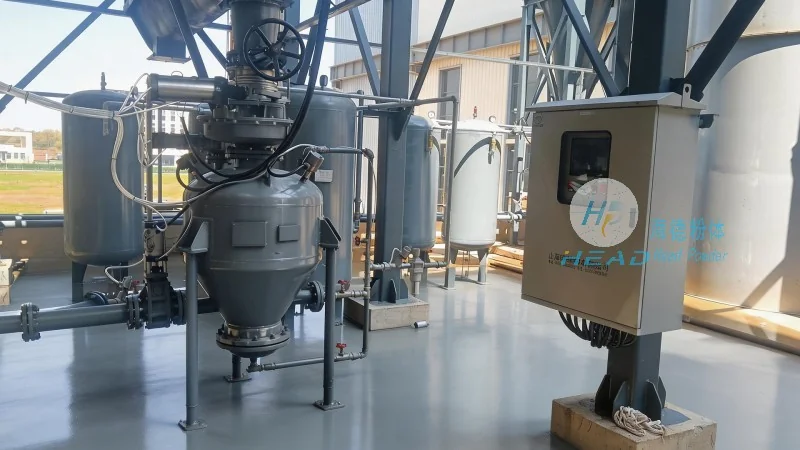
Application Examples and Industry Impact
The pneumatic conveying machine for pulverized fly ash is widely used in various industrial sectors, including power plants, cement manufacturing, and construction material production. In power plants, it is used to transport fly ash from the boiler to the storage silos, ensuring a continuous and safe process. In cement plants, the machine helps in moving fly ash as a raw material for cement production, improving the quality and consistency of the final product. The system's ability to handle large volumes of fine particles makes it ideal for applications where high throughput is required. By improving the efficiency of material transport, the machine contributes to the overall productivity and sustainability of industrial operations. The technology has also been adopted in recycling and waste management industries, where it helps in processing and transporting fly ash from various sources.
Company Background and Expertise
As a leading manufacturer in the field, Shandong HeadPowder Engineering Co., Ltd. specializes in designing and producing high-quality pneumatic conveying machines tailored to the specific needs of the fly ash industry. With years of experience and a commitment to innovation, the company ensures that its products meet the highest standards of performance and reliability. The company's focus on customer satisfaction and technical excellence has made it a trusted partner for many industrial clients, providing them with efficient and durable solutions for their material handling challenges. HeadPowder Engineering leverages advanced manufacturing techniques and rigorous quality control processes to deliver machines that are robust, efficient, and long-lasting, catering to the diverse requirements of the bulk material handling market.




