

Application and Optimization of Pneumatic Conveying Technology in Chili Pepper Conveying Design
Efficient and reliable material handling is a critical factor in the production and processing of chili peppers, where maintaining product quality and operational efficiency is paramount. Pneumatic conveying technology has emerged as a sophisticated solution for transporting chili peppers from various stages of processing, including harvesting, cleaning, sorting, and packaging. This technology offers significant advantages over traditional methods such as belt conveyors or bucket elevators, particularly in terms of hygiene, flexibility, and energy efficiency.
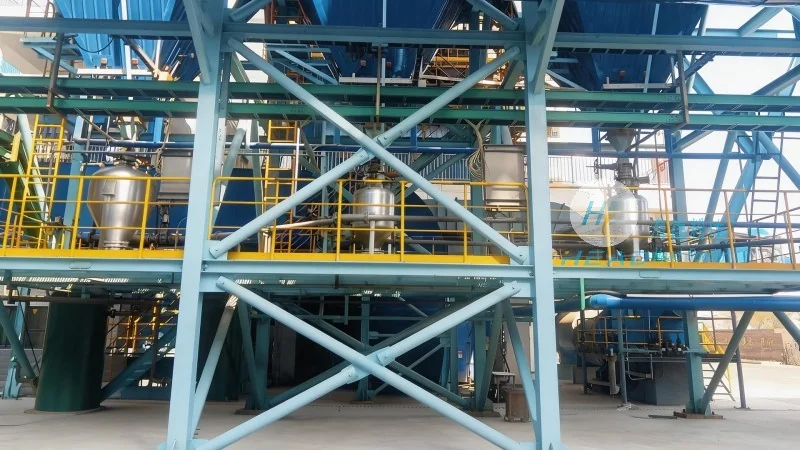
Understanding Pneumatic Conveying for Chili Pepper Handling
Pneumatic conveying systems utilize air to transport bulk materials like chili peppers through a network of pipes. The technology can be categorized into two main types: pressure and vacuum systems. Pressure systems use compressed air to push material forward, while vacuum systems create a negative pressure to draw material into the system. For chili pepper processing, a combination of these systems may be employed to optimize the conveying process based on the specific requirements of the production line.
Key Advantages of Pneumatic Conveying in Chili Pepper Processing
One of the primary benefits of pneumatic conveying for chili peppers is its ability to maintain product integrity. Unlike mechanical conveyors that may cause abrasion or damage to the peppers, pneumatic systems use flexible hoses or rigid pipes with smooth interiors, minimizing the risk of physical damage. This is crucial for preserving the quality of the final product, especially when dealing with fresh or dried chili peppers that are sensitive to handling.
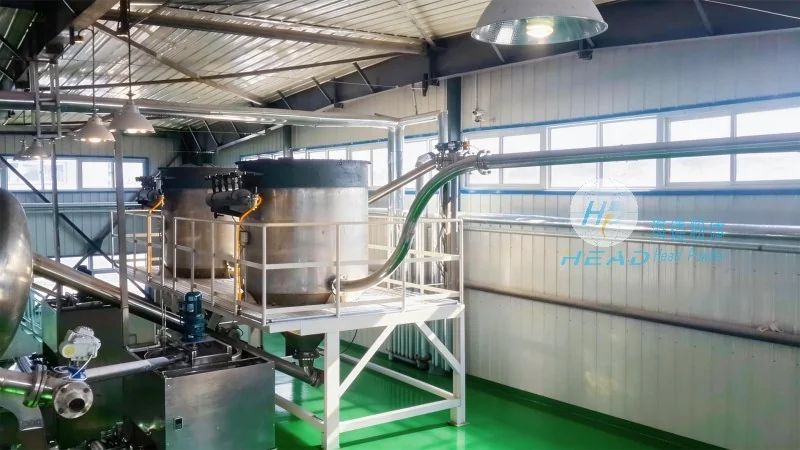
Another significant advantage is the hygienic design of pneumatic conveying systems. The enclosed pipe network prevents contamination from external sources, making it suitable for food processing applications where strict sanitary standards are required. The system can be easily cleaned and sanitized, reducing the risk of microbial growth and ensuring compliance with food safety regulations. This feature is particularly important in chili pepper processing, where the product may be consumed directly or used in food products.
Optimizing Pneumatic Conveying for Chili Pepper Applications
Optimizing the design of a pneumatic conveying system for chili peppers involves several key considerations. The first is the selection of the appropriate conveying velocity, which must be high enough to prevent material settling but low enough to avoid excessive wear on the system components. For chili peppers, a conveying velocity of 20-30 meters per second is typically recommended to ensure efficient transport without damaging the product.
Material flow rate is another critical parameter that needs to be optimized. The system must be designed to handle the expected throughput of chili peppers, ensuring that the conveying line does not become overloaded or underutilized. This involves calculating the required air volume and pressure based on the material's bulk density and particle size distribution. For example, if the chili peppers are dried and have a lower bulk density, the system may require higher air volume to maintain the desired conveying velocity.
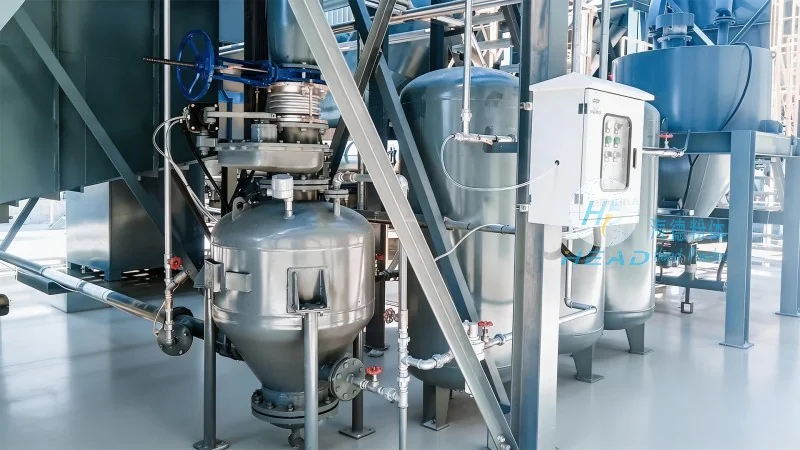
System layout and configuration also play a vital role in optimizing pneumatic conveying for chili pepper processing. The design should minimize the number of bends and changes in direction, as these can cause material to accumulate or block the system. Additionally, the inclusion of features such as air filters, cyclones, and material separators helps to maintain system efficiency and prevent clogging. These components are essential for ensuring continuous operation and reducing downtime in the production line.
Case Study: Implementation of Pneumatic Conveying by Shandong HeadPowder Engineering Co., Ltd.
Shandong HeadPowder Engineering Co., Ltd., a leading provider of material handling solutions, has successfully implemented pneumatic conveying systems for chili pepper processing facilities. The company's expertise in designing customized conveying solutions has enabled clients to achieve significant improvements in operational efficiency and product quality. For instance, one client, a chili pepper processing plant in China, reported a 30% reduction in handling time and a 20% decrease in product damage after upgrading to a pneumatic conveying system designed by HeadPowder.
The system implemented by HeadPowder included a combination of pressure and vacuum conveying sections, tailored to the specific needs of the client's production line. The design incorporated advanced features such as variable speed drives, which allowed for precise control of conveying velocity and material flow rate. This flexibility enabled the client to adjust the system's performance based on production demands, ensuring optimal efficiency during peak processing periods.
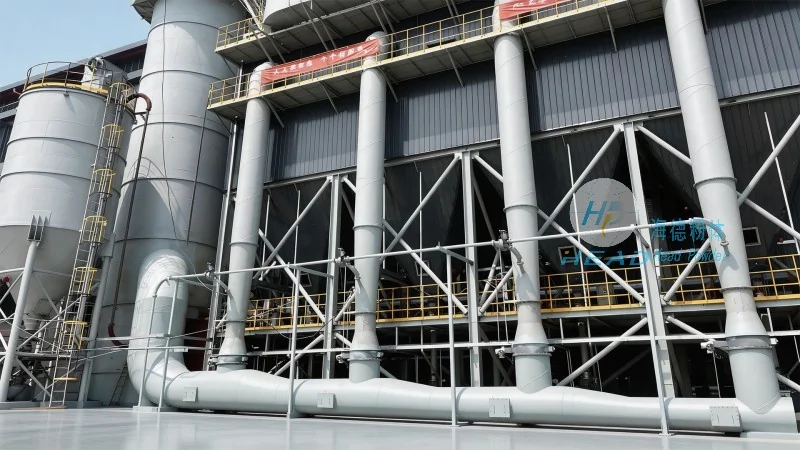
Furthermore, the system was equipped with monitoring and control systems that provided real-time data on system performance, including air pressure, flow rate, and material level. This data allowed the client to identify and address any issues promptly, reducing the risk of system failures and minimizing downtime. The hygienic design of the system also ensured compliance with local food safety regulations, providing peace of mind to the client regarding product quality and safety.
Conclusion: The Role of Pneumatic Conveying in Modern Chili Pepper Processing
Pneumatic conveying technology has proven to be an invaluable asset in the modern processing of chili peppers, offering a combination of efficiency, hygiene, and flexibility that traditional methods cannot match. By optimizing the design and operation of pneumatic conveying systems, processing facilities can enhance their operational performance, reduce costs, and improve the quality of their final products. As the demand for high-quality chili peppers continues to grow, the adoption of advanced material handling solutions like pneumatic conveying will become increasingly important for maintaining a competitive edge in the market.