Hydroxide alumina, a widely used industrial chemical, requires efficient and reliable conveying methods to ensure smooth production processes. The choice of conveying method significantly impacts operational efficiency, cost, and product quality. This article provides a detailed comparison of common hydroxide alumina conveying methods, focusing on their advantages and disadvantages to help industrial operators make informed decisions.
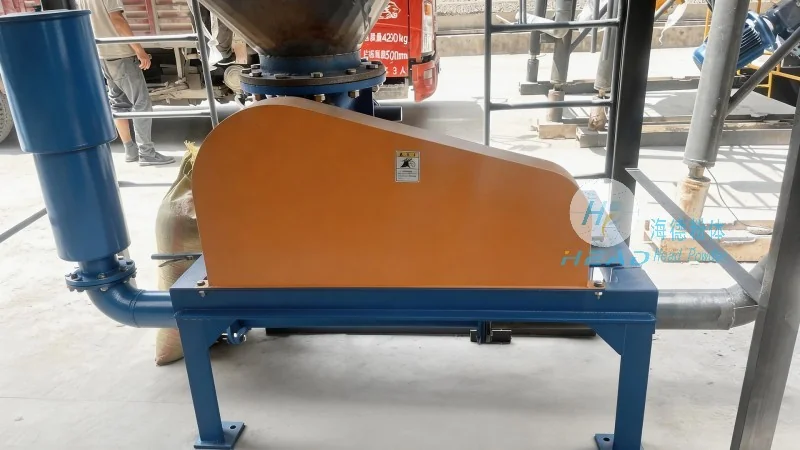
1. Pneumatic Conveying Systems
Pneumatic conveying uses air or other gases to transport hydroxide alumina particles through a pipeline. This method is particularly suitable for handling fine powders and can be categorized into pressure and vacuum systems. The primary advantage of pneumatic conveying is its ability to transport materials over long distances without the need for mechanical components at the material transfer points. However, it may face challenges with high moisture content or sticky materials, as these can cause blockages and reduce system efficiency. The system also requires careful control of air pressure and flow rates to maintain consistent material flow.
2. Mechanical Conveying Systems
Mechanical conveying systems, such as screw conveyors and belt conveyors, rely on mechanical components to move hydroxide alumina. Screw conveyors are commonly used for horizontal or slight incline transport, offering a compact design and the ability to mix materials. A key advantage is their simplicity and low maintenance requirements. However, they may not be suitable for very fine powders due to the risk of clogging in the screw mechanism. Belt conveyors are ideal for bulk material handling and can transport hydroxide alumina over longer distances with high capacity. The main drawback is the need for regular maintenance of the belt and pulleys, and potential material spillage if the system is not properly sealed.
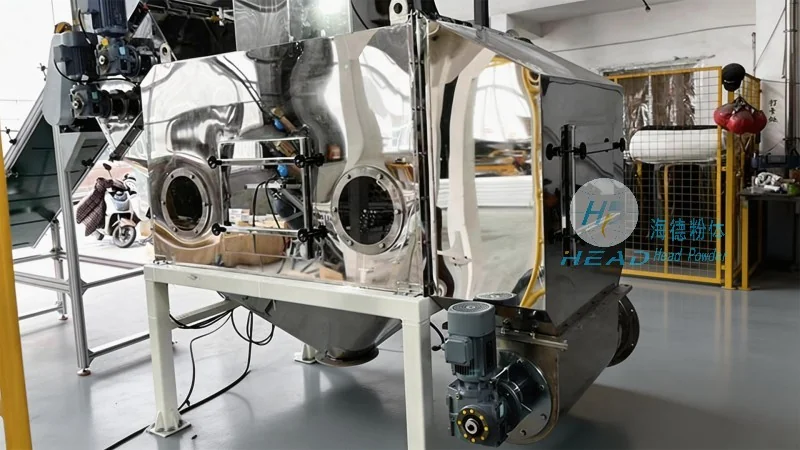
3. Hydraulic Conveying Systems
Hydraulic conveying utilizes water or other liquids to transport hydroxide alumina, often in a slurry form. This method is effective for handling wet or sticky materials that are difficult to convey via pneumatic or mechanical means. The primary advantage is the ability to transport materials with high moisture content without clogging. However, hydraulic systems require additional equipment for slurry preparation and separation, increasing operational complexity and cost. The system also needs regular cleaning to prevent scaling and blockages in the pipes.
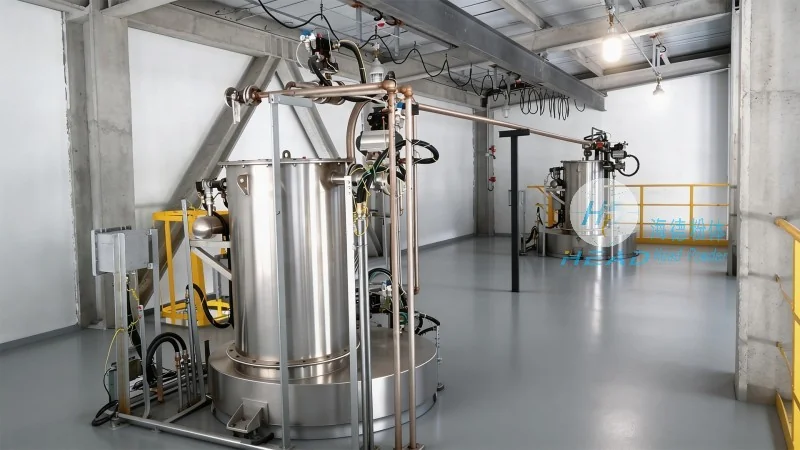
4. Comparison of Conveying Methods
When selecting a conveying method for hydroxide alumina, several factors must be considered, including material properties, distance, and operational environment. Pneumatic systems excel in clean, dry environments and for fine powders, while mechanical systems are more versatile and cost-effective for bulk handling. Hydraulic systems are best suited for wet or sticky materials but involve higher maintenance and operational costs. The choice ultimately depends on the specific application and the priorities of the industrial operation.
HeadPowder: Your Partner in Hydroxide Alumina Conveying Solutions
Shandong HeadPowder Engineering Co., Ltd. specializes in providing tailored conveying solutions for hydroxide alumina and other industrial powders. With years of experience in the field, HeadPowder understands the unique challenges of handling hydroxide alumina and offers customized systems that address specific operational needs. Our team of experts works closely with clients to assess their requirements and recommend the most suitable conveying method, ensuring optimal performance and cost-effectiveness. Whether you need a pneumatic, mechanical, or hydraulic system, HeadPowder delivers reliable and efficient solutions to meet your production demands.




