

Preventing Dust Leakage in Pneumatic Conveying Systems for Precipitated Barium Sulfate
HeadPowder, a leading provider of specialized material handling solutions, specializes in optimizing pneumatic conveying systems for the safe and efficient transport of bulk materials. A key application involves the handling of precipitated barium sulfate, a fine powder commonly used in industrial processes. Based in Shandong, China, Shandong HeadPowder Engineering Co., Ltd. has extensive experience in addressing the unique challenges of dust control in pneumatic conveying systems. This article explores effective strategies to prevent dust leakage in pneumatic conveying systems when transporting precipitated barium sulfate, ensuring operational safety and regulatory adherence.
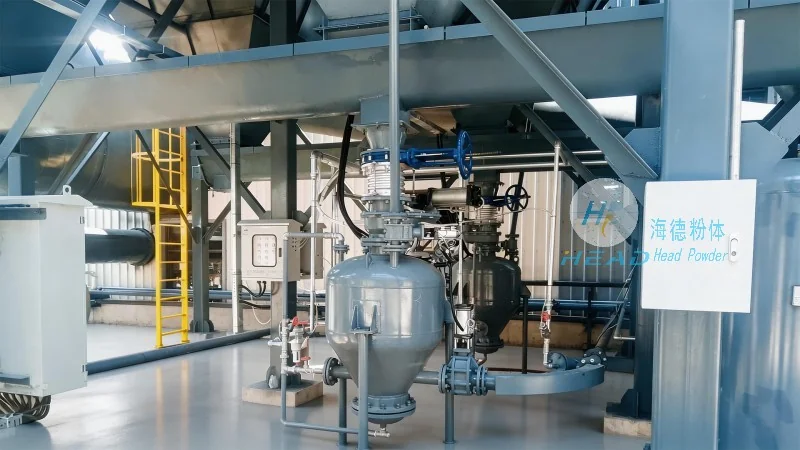
Understanding the Challenges of Precipitated Barium Sulfate Handling
Precipitated barium sulfate is a fine, dry powder with a high tendency to generate dust during handling and transport. When processed through pneumatic conveying systems, the risk of dust leakage increases due to the material's particle size, moisture content, and flow characteristics. Dust leakage not only poses health hazards to personnel but also leads to environmental contamination and operational inefficiencies. Therefore, implementing robust measures to contain dust is critical for maintaining a safe working environment and complying with industrial regulations.
Key Factors Influencing Dust Leakage in Pneumatic Conveying
The occurrence of dust leakage in pneumatic conveying systems for precipitated barium sulfate is influenced by several factors. First, the particle size distribution of the material plays a significant role; finer particles are more prone to entrainment and leakage. Second, the system's pressure and velocity settings directly affect the material's flow behavior and the likelihood of dust generation. Third, the design and maintenance of the conveying equipment, including hoppers, pipelines, and valves, are crucial in preventing leaks. Additionally, environmental conditions such as temperature and humidity can impact the material's properties and its interaction with the system components.
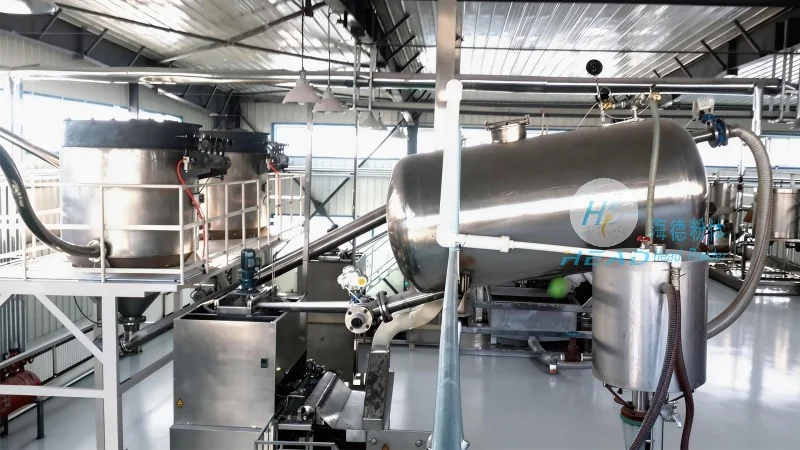
Strategies to Prevent Dust Leakage in Pneumatic Conveying Systems
HeadPowder offers comprehensive solutions to mitigate dust leakage in pneumatic conveying systems for precipitated barium sulfate. These strategies are tailored to address the specific challenges associated with this material and ensure optimal performance. The primary approach involves the use of advanced dust control technologies and system modifications. For instance, installing high-efficiency dust collection systems at critical points, such as transfer points and silo outlets, can effectively capture and contain airborne particles. Additionally, implementing proper sealing mechanisms on hoppers, pipelines, and valves reduces the potential for leaks. The selection of appropriate materials for system components, such as corrosion-resistant and wear-resistant materials, further enhances durability and reduces the risk of leakage over time.
Optimizing System Design for Precipitated Barium Sulfate Transport
Optimizing the design of pneumatic conveying systems is essential for minimizing dust leakage. HeadPowder recommends several design considerations to enhance system performance. Firstly, the use of positive pressure conveying systems is preferred over negative pressure systems, as they provide better control over material flow and reduce the risk of dust ingress. Secondly, the selection of appropriate pipeline diameters and velocities is critical; too high a velocity can cause material degradation and increased dust generation, while too low a velocity may lead to blockages. Thirdly, incorporating smooth transitions and gradual changes in pipeline direction helps maintain consistent flow and reduces stress on the material, minimizing dust formation. Furthermore, the installation of proper filtration and cleaning systems ensures that the conveying system remains efficient and free from dust accumulation.
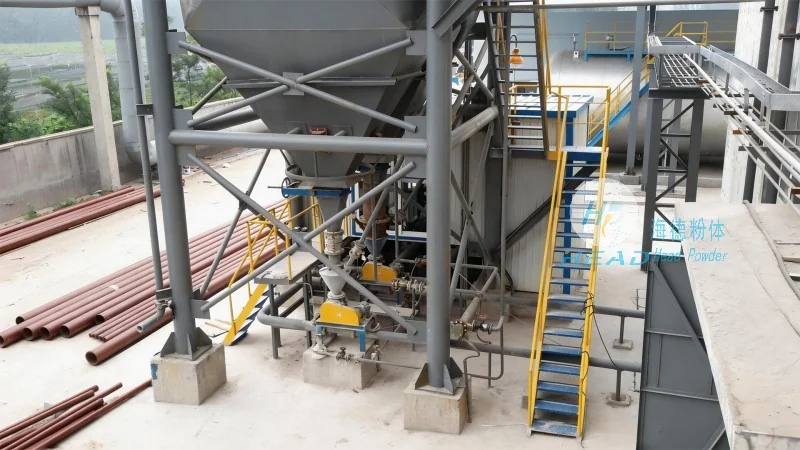
Maintenance and Operational Practices to Ensure Dust Control
Regular maintenance and proper operational practices are vital in maintaining the effectiveness of dust control measures. HeadPowder emphasizes the importance of routine inspections and maintenance of system components. This includes checking for wear and tear on seals, valves, and hoppers, and replacing them as needed. Additionally, monitoring system pressure and flow rates helps identify any deviations that may indicate increased dust leakage. Proper training of personnel on safe handling procedures and the use of personal protective equipment (PPE) further contributes to a dust-free environment. By adhering to these practices, companies can ensure that their pneumatic conveying systems operate efficiently and safely, minimizing the risk of dust leakage and environmental impact.
Conclusion: Ensuring Safe and Efficient Handling of Precipitated Barium Sulfate
Preventing dust leakage in pneumatic conveying systems for precipitated barium sulfate is a multifaceted challenge that requires a combination of advanced technology, proper system design, and diligent maintenance. HeadPowder, with its expertise in material handling solutions, provides tailored strategies to address these challenges. By implementing effective dust control measures and optimizing system performance, companies can ensure the safe and efficient transport of precipitated barium sulfate while complying with environmental and safety regulations. The solutions offered by HeadPowder not only enhance operational efficiency but also contribute to a healthier and more sustainable industrial environment.