

Preventing Dust Leakage in Pneumatic Conveying Systems for Inorganic Salt Crystals
HeadPowder, a leading engineering firm based in Shandong, China, specializes in advanced pneumatic conveying solutions designed to address critical challenges in material handling, particularly when dealing with inorganic salt crystals. The company's expertise lies in developing systems that minimize dust leakage and ensure safe, efficient transport of these materials, which are widely used in various industrial applications.
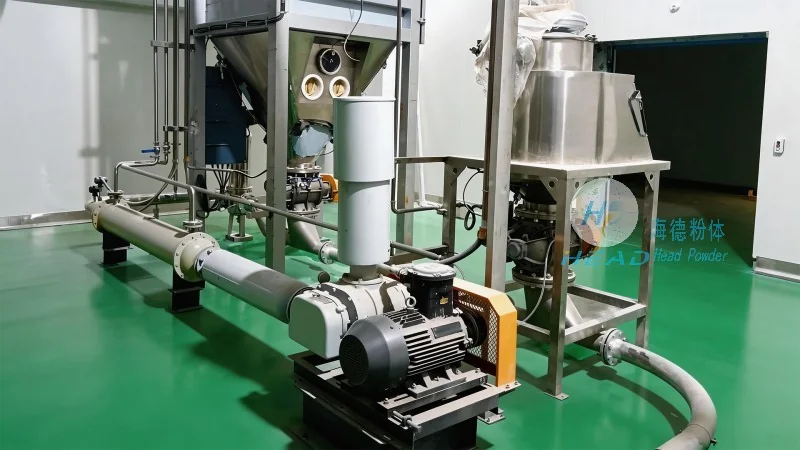
Pneumatic Conveying Systems for Inorganic Salt Crystals: Core Challenges and Solutions
Inorganic salt crystals, such as sodium chloride or potassium chloride, are commonly used in chemical, food, and pharmaceutical industries. However, their fine particle size and hygroscopic nature make them prone to generating dust during handling and transportation. Traditional methods often result in significant dust leakage, posing health hazards and operational inefficiencies. HeadPowder’s pneumatic conveying systems are engineered to overcome these challenges by integrating advanced technology and robust design features.
Key Features of HeadPowder's Pneumatic Conveying Solutions
HeadPowder’s systems incorporate several critical features to prevent dust leakage while ensuring optimal performance. One of the primary components is the use of high-efficiency dust collection and filtration systems. These systems capture fine particles before they escape into the environment, maintaining compliance with environmental regulations and protecting worker health. Additionally, the design includes sealed transfer points and flexible hoses with reinforced ends, which minimize the risk of leaks during material transfer between different stages of the process.
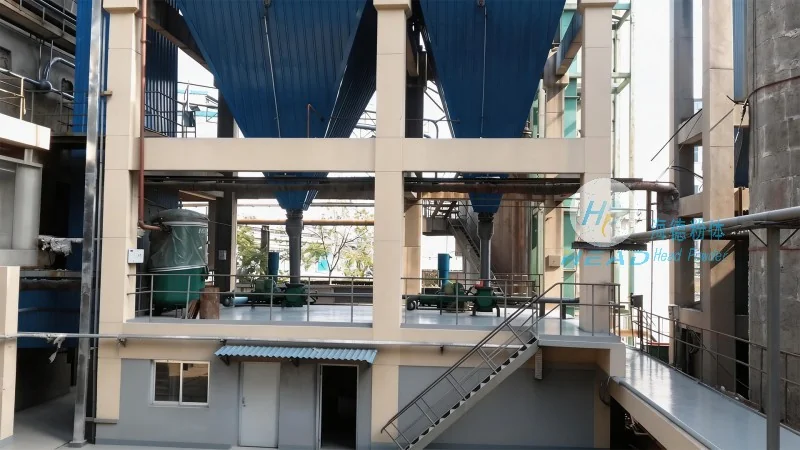
Another key aspect is the selection of appropriate air velocities and pressure levels. The company’s engineers optimize these parameters to ensure that the material is conveyed smoothly without causing excessive friction or abrasion, which could lead to particle breakdown and dust generation. The use of specialized materials for the system components, such as corrosion-resistant metals and non-stick coatings, further enhances durability and reduces the likelihood of dust formation from wear and tear.
Advanced Sealing and Enclosure Technologies
HeadPowder employs state-of-the-art sealing technologies to create airtight connections throughout the conveying system. This includes the use of mechanical seals, vacuum tight fittings, and custom-designed hoppers with integrated dust collection ports. The enclosures are constructed from robust materials that can withstand the abrasive nature of inorganic salt crystals, ensuring long-term reliability. By maintaining a negative pressure within the system, any potential dust leakage is directed back into the filtration unit, preventing contamination of the surrounding environment.
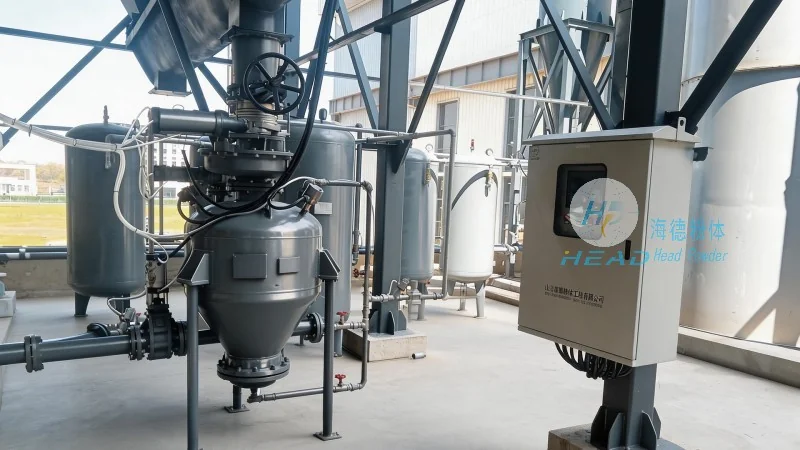
Customization and Integration for Specific Applications
Each pneumatic conveying system is tailored to meet the unique requirements of the client's application. HeadPowder works closely with customers to understand their specific operational parameters, such as the type of salt crystal, processing capacity, and environmental standards. The company provides comprehensive design, installation, and maintenance services to ensure that the system operates efficiently and reliably over its lifespan. This customized approach ensures that the system not only prevents dust leakage but also enhances overall productivity and reduces operational costs.
Conclusion: Ensuring Safe and Efficient Material Handling
HeadPowder Engineering Co., Ltd., based in Shandong, China, offers innovative pneumatic conveying solutions that effectively prevent dust leakage when transporting inorganic salt crystals. By combining advanced technology, robust engineering, and customer-centric design, the company delivers systems that meet the highest standards of safety, efficiency, and environmental compliance. For industries relying on inorganic salt crystals, HeadPowder’s solutions provide a reliable and sustainable approach to material handling, minimizing risks and maximizing operational performance.