

Application and Optimization of Pneumatic Conveying Technology in Silicone Powder Conveying Design
Shandong HeadPowder Engineering Co., Ltd., a leading provider in the field, specializes in developing advanced pneumatic conveying systems tailored for the unique challenges of handling silicone powder. This article explores the application and optimization strategies that enhance the efficiency, safety, and reliability of silicone powder transportation in industrial settings.
Understanding the Unique Properties of Silicone Powder and Its Impact on Conveying
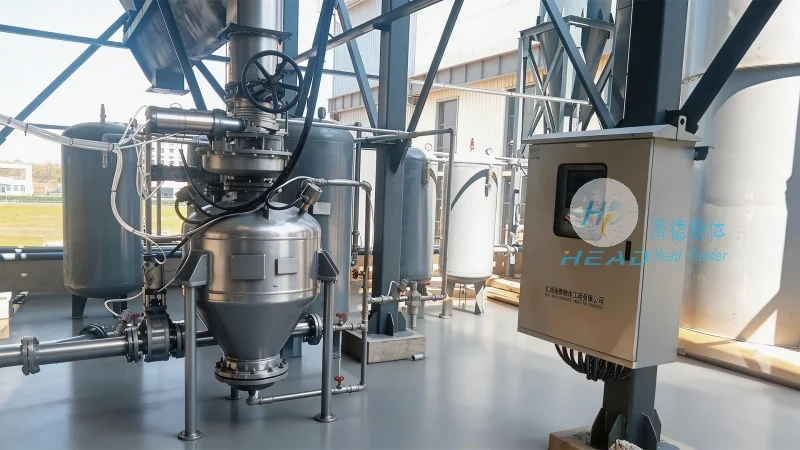
Silicone powder, known for its fine particle size and cohesive nature, presents distinct challenges during material handling. Unlike bulkier powders, silicone powder can easily agglomerate, leading to blockages and reduced system performance. The design of a pneumatic conveying system must account for these characteristics to ensure smooth operation. By understanding the physical properties of silicone powder—including its density, flowability, and dust generation potential—engineers can select the most appropriate conveying method and equipment configuration.
Key Components of an Optimized Pneumatic Conveying System for Silicone Powder
An effective pneumatic conveying system for silicone powder typically consists of several critical components. The system begins with a hopper or feeder that ensures a consistent flow of material into the conveying line. A rotary valve or feeder is often used to control the discharge rate, preventing overloading and maintaining system stability. The conveying line itself may be either positive or negative pressure, depending on the application. For silicone powder, positive pressure systems are commonly preferred as they provide better control over particle movement and reduce the risk of dust exposure. The system also includes a filter or cyclone to separate the powder from the air stream, ensuring compliance with environmental regulations and maintaining product purity.
Design Optimization Strategies for Enhanced Performance
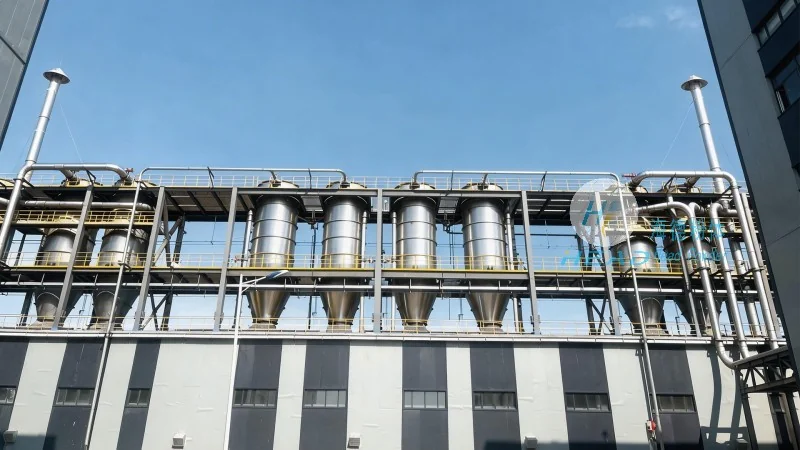
Optimizing the pneumatic conveying system for silicone powder involves several key strategies. One critical approach is the selection of appropriate air velocity and pressure. Engineers must balance the need for sufficient air to move the powder with the risk of excessive pressure that could cause particle degradation or system wear. The use of pulse-jet or rotary airlock valves can improve material flow and reduce blockages. Additionally, the incorporation of static mixers or in-line agitators can help break up agglomerates and maintain a uniform particle size distribution, which is essential for consistent downstream processing.
Case Study: Implementing Advanced Pneumatic Conveying in a Silicone Powder Production Facility
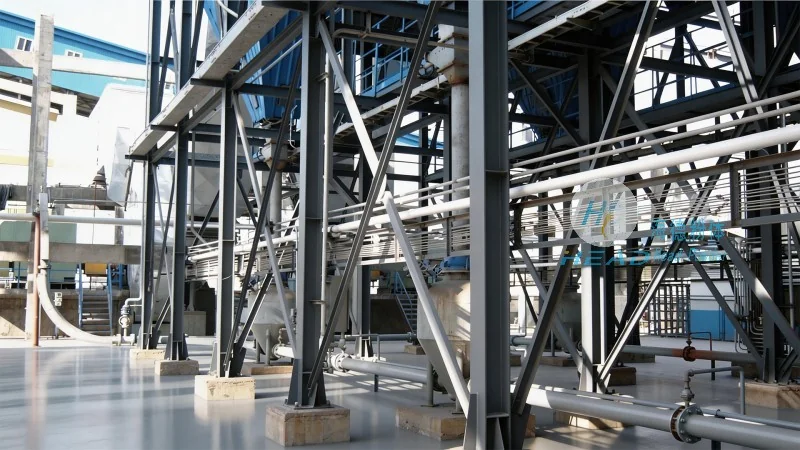
A real-world example highlights the effectiveness of optimized pneumatic conveying systems. In a facility producing high-purity silicone powder, the implementation of a positive pressure system with a cyclone separator and pulse-jet cleaning reduced material loss by 30% and increased throughput by 25% compared to traditional methods. The system also minimized dust emissions, improving workplace safety and environmental compliance. This case study underscores the importance of tailored design and regular maintenance in achieving optimal performance.
Conclusion: The Role of Specialized Engineering in Silicone Powder Conveying
As the demand for high-quality silicone powder grows, the importance of efficient and reliable material handling systems becomes increasingly critical. Shandong HeadPowder Engineering Co., Ltd. leverages its expertise in pneumatic conveying technology to design and implement solutions that address the unique challenges of silicone powder. By focusing on component selection, system optimization, and continuous improvement, the company ensures that its clients achieve maximum efficiency, safety, and product quality in their silicone powder handling operations.