

What is a Calcium Carbonate Pneumatic Conveying System? And What Are Its Design Principles?
Calcium carbonate (CaCO₃) is a widely used industrial material, often found in applications ranging from construction materials to food and pharmaceuticals. The efficient and reliable transport of this material from its source to processing or packaging facilities is crucial for maintaining production efficiency and product quality. This article explores the concept of a calcium carbonate pneumatic conveying system and delves into its fundamental design principles, highlighting the key components and operational mechanisms that enable effective material handling.
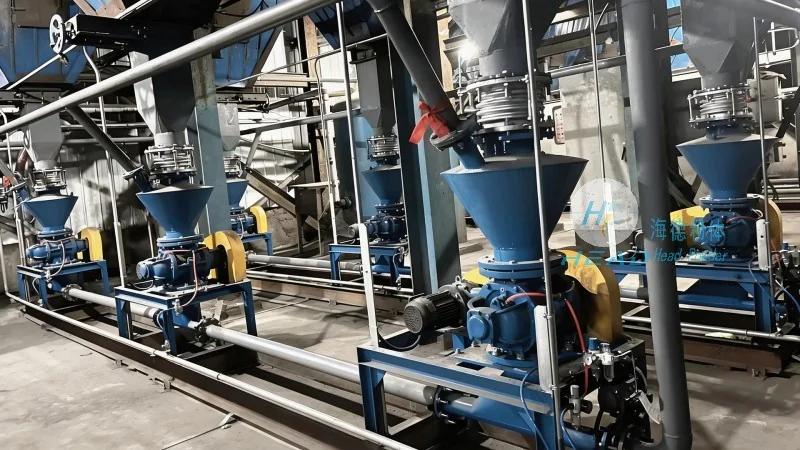
What is a Pneumatic Conveying System?
A pneumatic conveying system is a method of transporting bulk materials, such as powders and granules, using a stream of air or other gas. Unlike traditional mechanical conveying systems (e.g., belt conveyors or screw conveyors), pneumatic systems rely on the flow of gas to move material through a pipeline. For calcium carbonate, which is typically a fine powder, this method offers several advantages, including the ability to handle materials in a closed system, reducing dust emissions and contamination, and providing flexibility in system layout.
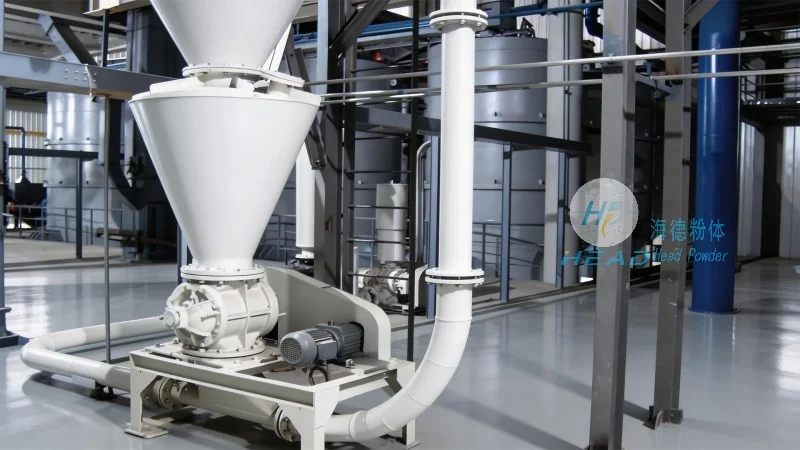
Key Components of a Calcium Carbonate Pneumatic Conveying System
The design of a calcium carbonate pneumatic conveying system involves several critical components, each playing a vital role in the overall operation. The primary components include:
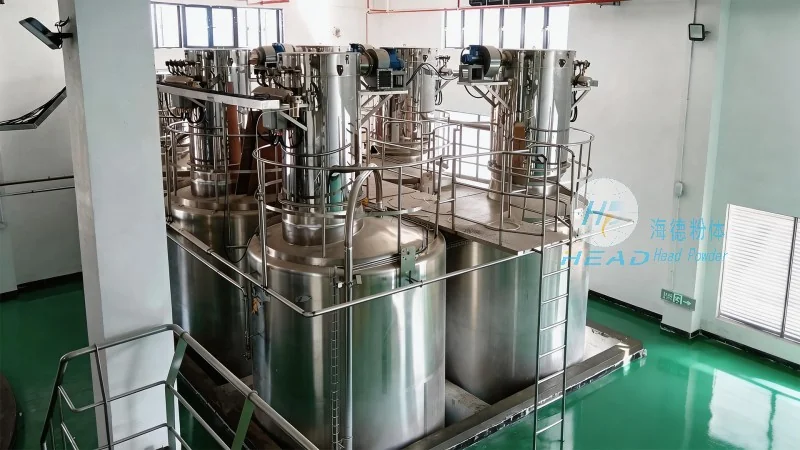
- Feeder: The feeder is responsible for introducing the calcium carbonate material into the conveying line at a controlled rate. For fine powders like calcium carbonate, a rotary valve or a star feeder is commonly used to ensure a consistent and smooth flow, preventing blockages and maintaining system efficiency.
- Conveying Pipe: The pipe serves as the main pathway for the material and the conveying gas. The material is suspended in the gas stream and transported through the pipe. The pipe diameter and length are carefully selected based on the material's properties, such as particle size, density, and flowability, as well as the desired conveying velocity.
- Gas Source: A compressor or blower provides the necessary air or gas to create the conveying flow. The pressure and volume of the gas are critical parameters that determine the system's capacity and efficiency. For calcium carbonate, which is a relatively light and fine powder, a moderate pressure (typically 0.5 to 2 bar) is often sufficient to achieve effective transport.
- Control Valves: These valves regulate the flow of gas and material within the system. They allow for adjustments in conveying speed, pressure, and direction, enabling the system to handle varying material loads and operational conditions. Control valves may include check valves, pressure relief valves, and flow control valves to ensure safe and stable operation.
- Receiver: The receiver is the terminal point of the conveying line where the calcium carbonate material is deposited. It is typically a hopper or storage tank designed to accommodate the material's volume and prevent spillage. The receiver may also include a dust collection system to capture any fine particles that escape during the conveying process.
Design Principles for Calcium Carbonate Pneumatic Conveying Systems
The design of a calcium carbonate pneumatic conveying system must consider several key principles to ensure optimal performance, efficiency, and reliability. These principles are tailored to the specific characteristics of calcium carbonate, such as its fine particle size, low bulk density, and potential for dust generation.
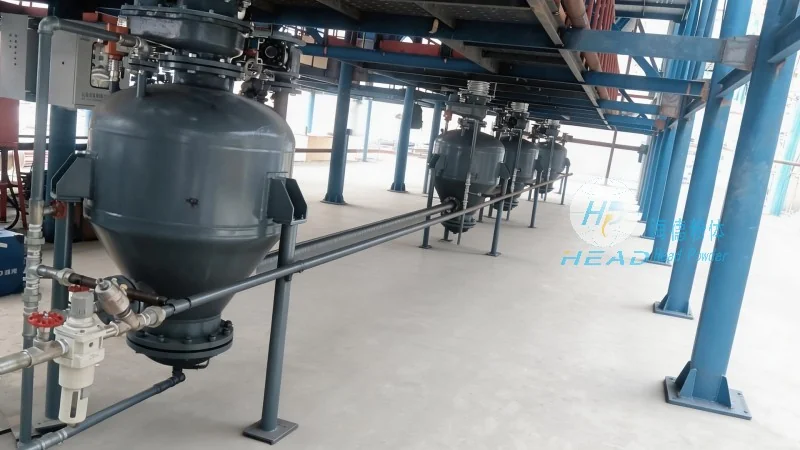
1. Material Properties Consideration: The design must account for the physical and chemical properties of calcium carbonate. For instance, the particle size distribution affects the required conveying velocity and pipe diameter. Fine particles (e.g., below 100 microns) may require higher gas velocities to prevent settling or blockages, while larger particles can be conveyed at lower velocities. The material's density and flowability also influence the system's capacity and the type of feeder needed.