Understanding the efficient transportation of activated carbon and other powders and particulate materials is crucial for industries that rely on consistent material handling. Pneumatic conveying systems offer a solution that leverages air flow to move bulk materials, enhancing process efficiency and reducing operational costs. This article explores the principles and applications of pneumatic conveying for activated carbon, focusing on how to achieve high-efficiency material transport.
Key Components of Pneumatic Conveying Systems
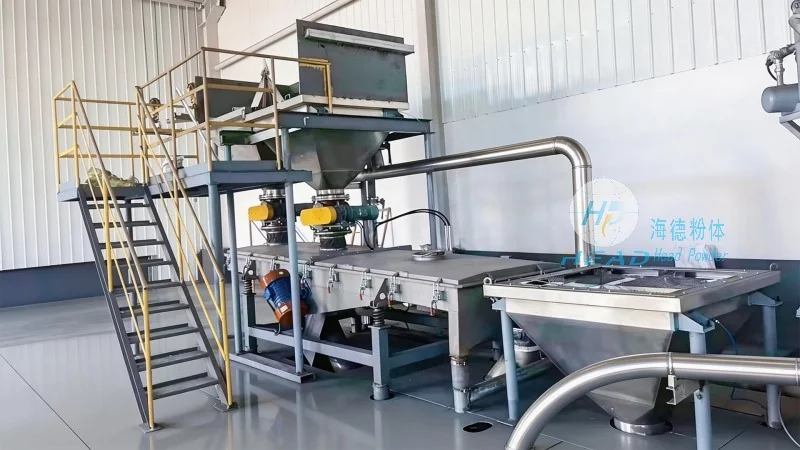
A pneumatic conveying system typically consists of several key components that work together to move materials. These include a material feed hopper, a conveying line (often with a pipeline), a blower or compressor to generate the air flow, and a discharge point where the material is released. For activated carbon, specialized equipment may be required to handle the material's properties, such as its fine particle size and potential dust generation. The choice of system type—like dilute phase or dense phase—depends on the specific material characteristics and the distance over which it needs to be conveyed.
How Air Flow Efficiently Moves Powdered Materials
The core of pneumatic conveying is the use of air to create a flow that transports the material. In dilute phase systems, the material is suspended in the air stream and moves through the pipeline at high velocity. This method is suitable for short to medium distances and for materials that are not too abrasive or corrosive. Dense phase systems, on the other hand, use lower air velocities and higher material concentrations, which can be more effective for longer distances or for materials that are prone to degradation under high velocity. For activated carbon, the system design must consider factors like the material's dustiness, its tendency to agglomerate, and the need to maintain product integrity throughout the conveying process.
Benefits of Using Pneumatic Conveying for Activated Carbon
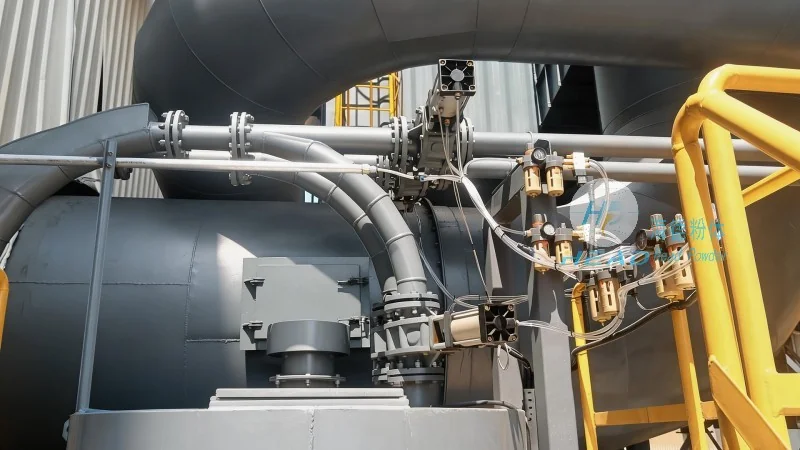
Implementing a pneumatic conveying system for activated carbon offers several advantages. One of the primary benefits is the ability to handle materials in a closed system, which minimizes dust exposure and improves safety in the workplace. This is particularly important for activated carbon, which is often used in applications where air quality and worker health are critical. Additionally, pneumatic conveying can reduce the need for manual handling and associated labor costs, as the system automates the material transport process. The efficiency of the system also contributes to lower energy consumption compared to traditional methods like bucket elevators or belt conveyors, especially over longer distances.
Applications in Industrial Settings
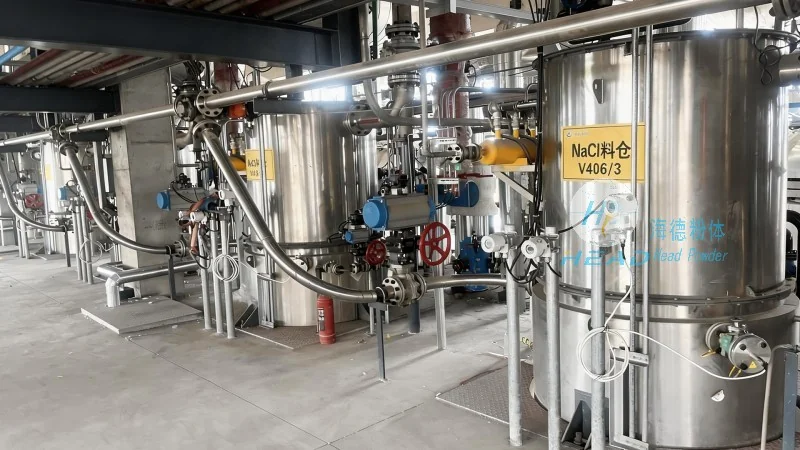
Pneumatic conveying of activated carbon is widely used in various industrial applications. In the chemical industry, it is used to transport activated carbon for filtration and adsorption processes. In the food and beverage industry, it may be used to move activated carbon for water treatment or as a filter aid. The pharmaceutical industry also utilizes pneumatic conveying for activated carbon in drug manufacturing and purification processes. Each of these applications requires a tailored system design to meet the specific demands of the process, ensuring that the material is transported efficiently and without compromising product quality.
Company Overview: Shandong HeadPowder Engineering Co., Ltd.
Shandong HeadPowder Engineering Co., Ltd., commonly known as HeadPowder, is a leading provider of engineering solutions for material handling systems. With a focus on pneumatic conveying technologies, the company specializes in designing and manufacturing systems tailored to the needs of various industries, including those that handle activated carbon and other powders. HeadPowder's expertise lies in understanding the unique properties of different materials and developing systems that optimize material transport while maintaining product integrity. The company's headquarters is located in Shandong, China, where it operates a team of engineers and technicians dedicated to providing high-quality solutions for its clients.




