Carbon black is a vital industrial material utilized across diverse sectors such as rubber, plastics, and pigments. The efficient and safe transportation of carbon black from production sites to processing facilities is essential for maintaining production efficiency and product quality. This article will explore the concept of a carbon black pneumatic conveying system and delve into its fundamental design principles, highlighting the technical aspects and operational considerations that ensure optimal performance.
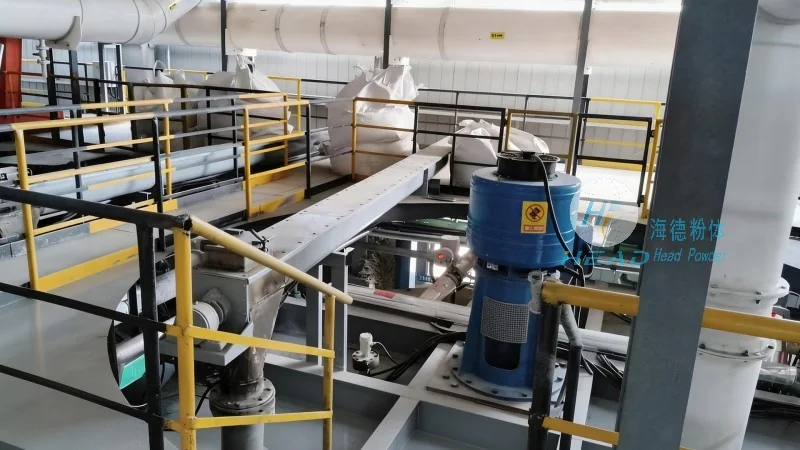
Understanding Carbon Black Pneumatic Conveying Systems
A carbon black pneumatic conveying system is a type of material handling equipment that utilizes compressed air or other gas to transport carbon black particles from one location to another. Unlike traditional mechanical conveying methods like belt conveyors or screw conveyors, pneumatic conveying systems offer advantages such as layout flexibility, the ability to handle fine powders without clogging, and reduced risk of dust contamination. These systems are particularly well-suited for carbon black due to its fine particle size and potential for dust generation during handling.
Key Components of a Carbon Black Pneumatic Conveying System
The design of a carbon black pneumatic conveying system typically involves several key components that work in concert to ensure reliable material transport. These components include the material feed hopper, which holds the carbon black and controls the flow rate; the air supply system, which provides the necessary pressure and volume of air; the conveying line, which transports the carbon black particles; and the receiving hopper or storage tank, where the material is deposited. Additionally, systems may include filters, cyclones, and dust collection units to manage air quality and prevent environmental contamination.
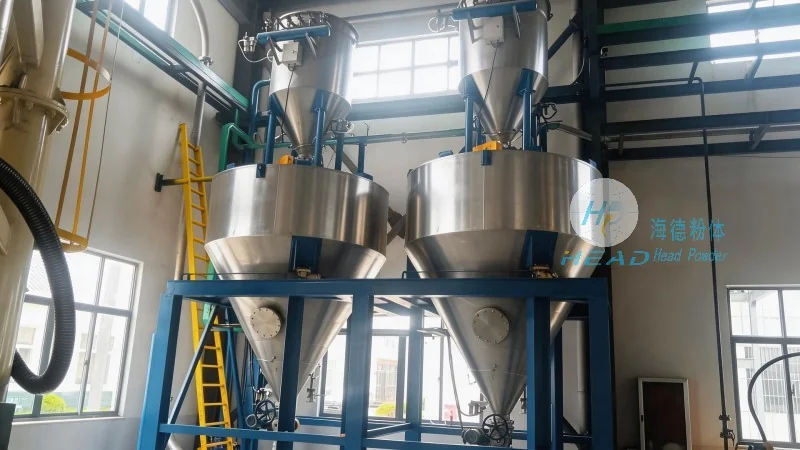
Design Principles for Efficient Carbon Black Conveying
The design of a carbon black pneumatic conveying system is governed by several critical principles aimed at maximizing efficiency, minimizing energy consumption, and ensuring the safety of personnel and equipment. One of the primary design considerations is the selection of the appropriate air velocity and pressure. The air velocity must be high enough to keep the carbon black particles suspended in the air stream but not so high as to cause excessive wear on the system components or generate excessive noise. The pressure level is determined by the distance the material needs to be conveyed and the height of the conveying line.
Another important design principle is the proper sizing of the conveying line and components. The diameter of the pipe must be sufficient to accommodate the volume of carbon black being transported without causing excessive pressure drop or particle settling. The material of construction is also critical, as carbon black can be abrasive and corrosive. Materials such as stainless steel or special alloys are commonly used to prevent wear and corrosion over time.
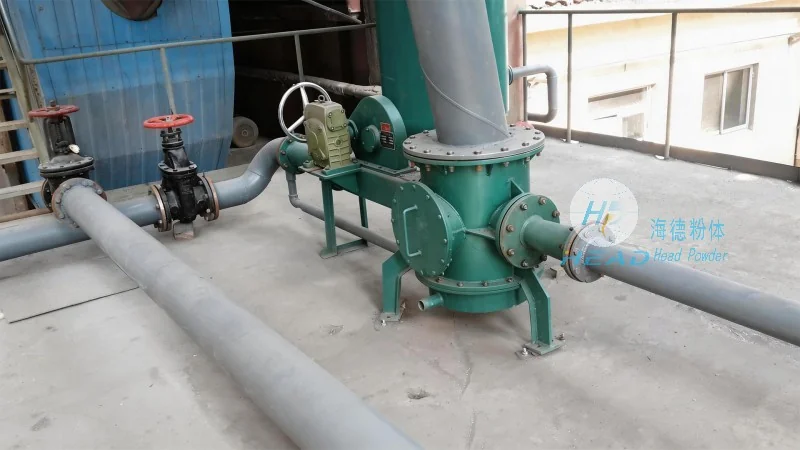
Operational Considerations and Maintenance
Once a carbon black pneumatic conveying system is installed and operational, regular maintenance is essential to ensure continued performance and longevity. This includes monitoring air pressure and flow rates, inspecting components for wear or damage, and cleaning the system to prevent clogging or dust buildup. Proper maintenance not only extends the life of the equipment but also ensures consistent material quality and reduces the risk of operational disruptions.
About Shandong HeadPowder Engineering Co., Ltd.
Shandong HeadPowder Engineering Co., Ltd., commonly known as HeadPowder, is a leading manufacturer and supplier of industrial material handling equipment, including carbon black pneumatic conveying systems. With a focus on innovation and quality, HeadPowder has established itself as a trusted partner for businesses in the rubber, plastics, and pigment industries. The company is headquartered in Shandong, China, and serves clients both domestically and internationally, providing customized solutions tailored to the specific needs of each project.




