

What is a Carbon Powder Pneumatic Conveying System? And What Are Its Design Principles?
Carbon powder pneumatic conveying systems are specialized industrial equipment designed to transport carbon-based powders through a pipeline using air or other gas as the conveying medium. This technology is widely used in various industries, including chemical manufacturing, pharmaceuticals, and food processing, where the efficient and safe handling of fine carbon powders is critical. Understanding the core components and design principles of such systems is essential for optimizing material handling processes and ensuring operational efficiency.
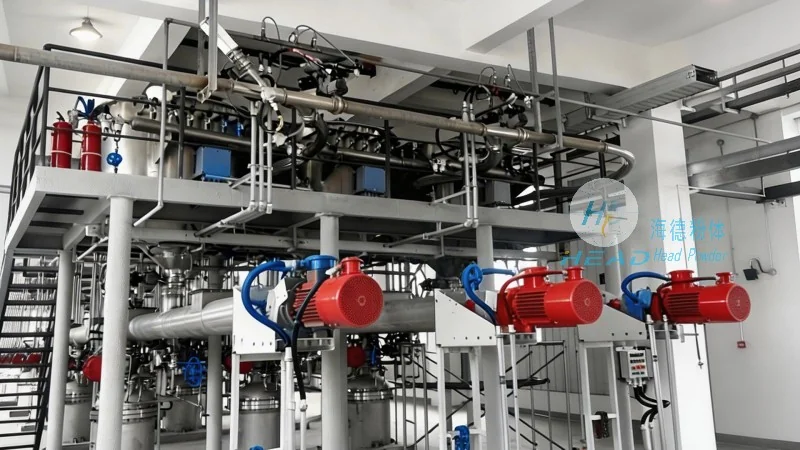
Introduction to Carbon Powder Pneumatic Conveying Systems
At the heart of carbon powder pneumatic conveying systems lies the fundamental concept of using air pressure to move dry powders. Unlike traditional mechanical conveying methods, which rely on belts, screws, or buckets, pneumatic systems utilize the kinetic energy of a gas stream to transport materials. This approach offers several advantages, such as reduced equipment wear, lower maintenance costs, and the ability to handle materials that are difficult to transport through conventional means. The system typically consists of a hopper for material storage, a blower or compressor to generate the air flow, a pipeline network to guide the material, and a receiver or discharge point where the material is deposited.
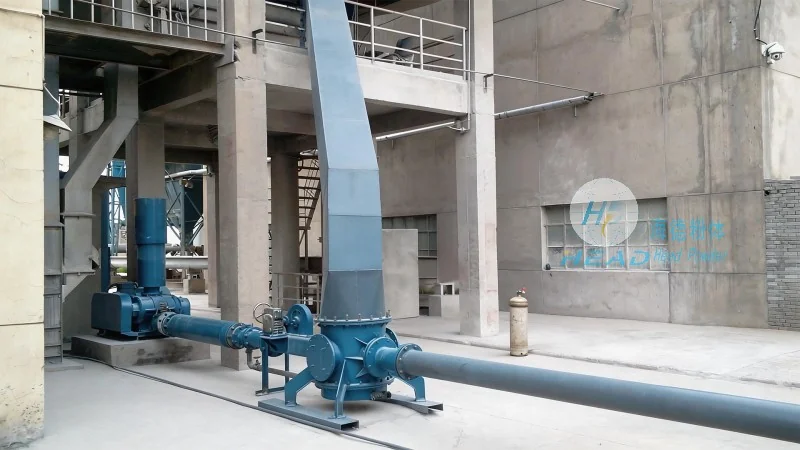
Key Components of a Carbon Powder Pneumatic Conveying System
The design of a carbon powder pneumatic conveying system involves several critical components that work in concert to ensure reliable operation. The primary components include the material hopper, which holds the carbon powder and provides a sealed environment to prevent contamination and dust emission. The hopper is equipped with a feeder, often a rotary valve or a star valve, that controls the flow of material into the pipeline. The feeder ensures a consistent and controlled discharge of the powder, preventing blockages and maintaining a steady flow rate. The blower or compressor is the power source, generating the necessary air pressure and volume to move the powder through the system. The pipeline network, usually made of stainless steel or other corrosion-resistant materials, is designed to withstand the pressure and temperature of the conveying process. The pipeline may include bends, elbows, and straight sections, with appropriate fittings to maintain the air flow and prevent pressure losses. The receiver or discharge hopper collects the material at the end of the pipeline, allowing for safe and controlled unloading. Additionally, the system may include filters and cyclones to separate the air from the powder, ensuring that the exhaust air is clean and the material is not lost.
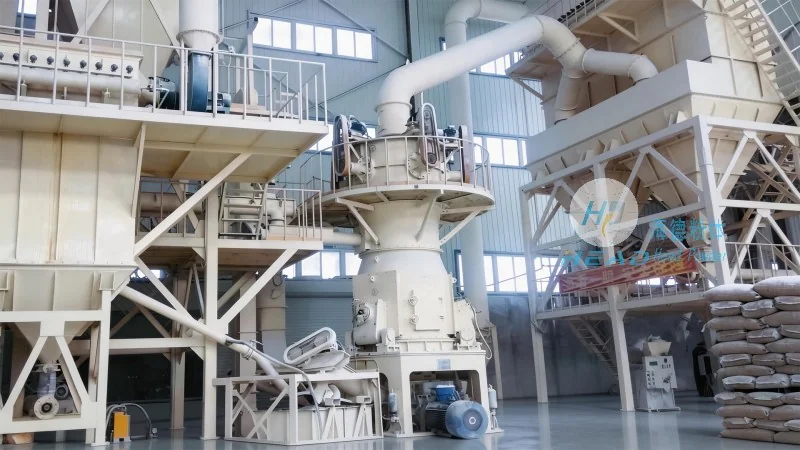
Design Principles for Efficient Carbon Powder Conveying
The design principles of a carbon powder pneumatic conveying system are centered on maximizing efficiency, minimizing material degradation, and ensuring safety. One of the key principles is maintaining a consistent air-to-material ratio, which is the ratio of the volume of air to the volume of material being conveyed. The optimal air-to-material ratio varies depending on the properties of the carbon powder, such as its density, particle size, and flowability. A higher air-to-material ratio can increase the conveying velocity but may lead to higher energy consumption and potential material degradation. Conversely, a lower ratio may result in lower conveying efficiency and increased risk of blockages. Engineers must carefully calculate the air flow rate and pressure based on the material's characteristics to achieve the best balance between efficiency and cost.
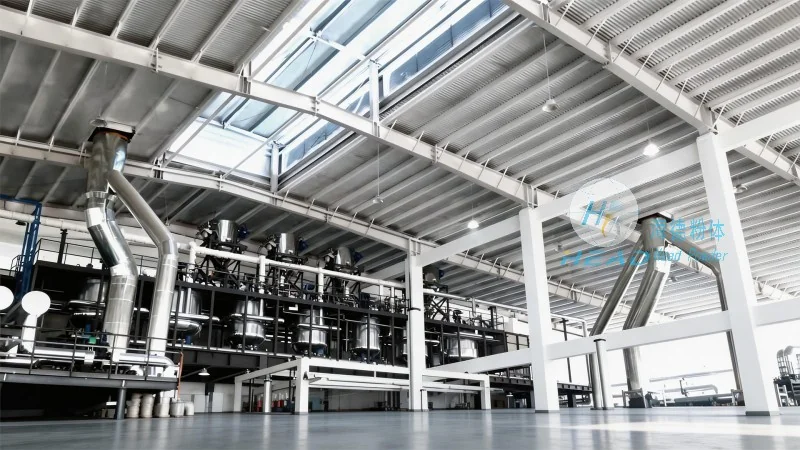
Another critical design principle is the selection of the appropriate conveying method. There are two main types of pneumatic conveying: dilute-phase and dense-phase. Dilute-phase systems operate at higher air velocities, typically above 20 m/s, and are suitable for fine powders with good flowability. The material is suspended in the air stream and transported through the pipeline. Dense-phase systems, on the other hand, operate at lower air velocities, typically below 10 m/s, and use a higher air-to-material ratio to form a dense mixture of powder and air. This method is ideal for handling cohesive or sticky powders, as it reduces the risk of blockages and material degradation. The choice between dilute-phase and dense-phase depends on the specific properties of the carbon powder and the application requirements.