

Analysis of Zinc Oxide Pneumatic Conveying Technology: Comparison of Positive and Negative Pressure
For industries dealing with zinc oxide, efficient and reliable material handling is crucial. Pneumatic conveying systems offer a solution that can significantly enhance operational efficiency while ensuring product integrity. This article delves into the technical aspects of zinc oxide pneumatic conveying, focusing on the comparison between positive and negative pressure modes. We will explore the fundamental principles, operational characteristics, and practical considerations of each approach, providing insights that can help decision-makers choose the most suitable system for their specific needs.
Introduction to Zinc Oxide Pneumatic Conveying
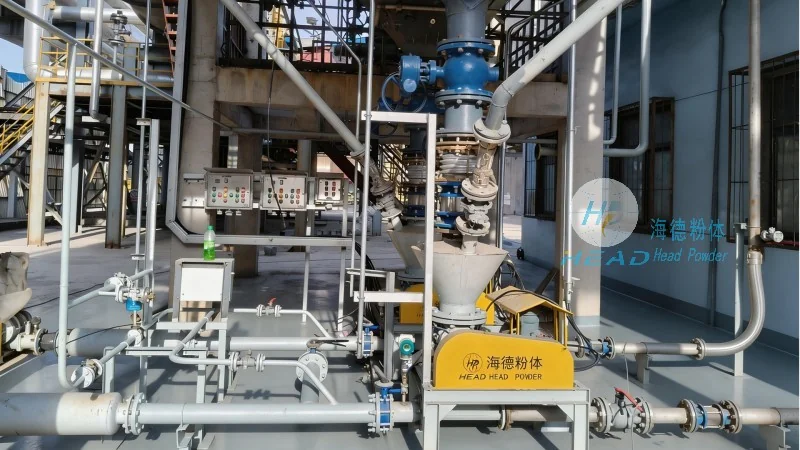
Zinc oxide (ZnO) is widely used in various industries, including pharmaceuticals, ceramics, and rubber manufacturing. Handling this material requires specialized equipment due to its fine particle size and potential reactivity. Pneumatic conveying systems are an ideal solution as they can transport ZnO from storage to processing units without the need for mechanical components like conveyor belts or buckets. The two primary modes of pneumatic conveying—positive pressure and negative pressure—each have distinct advantages and limitations that influence their application in different scenarios.
Company Profile: Shandong HeadPowder Engineering Co., Ltd.
HeadPowder, a leading provider of material handling solutions, specializes in designing and manufacturing advanced pneumatic conveying systems. With a strong focus on innovation and customer-centric service, the company has established itself as a trusted partner for industries requiring efficient and reliable material transport. HeadPowder’s expertise lies in tailoring systems to meet the unique demands of clients, ensuring optimal performance and longevity. The company is headquartered in Shandong, China, where it leverages local resources and industry knowledge to deliver high-quality solutions.
Positive Pressure Pneumatic Conveying System
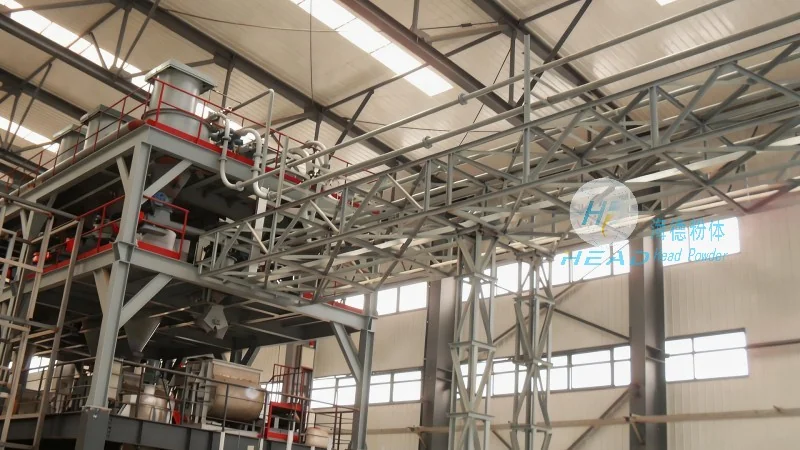
Positive pressure systems operate by blowing air or gas into the conveying line, creating a pressure higher than the ambient air. This method is commonly used for long-distance and high-capacity transport. In the context of zinc oxide, positive pressure systems offer several benefits. They can handle abrasive materials without causing excessive wear on components, and the pressurized environment helps maintain product purity by preventing contamination from external air. The system typically includes a blower, a hopper, and a pipeline network that transports the material to the destination. The air flow is controlled to ensure consistent particle velocity, which is critical for preventing material settling or blockages. Positive pressure systems are particularly effective for applications where the material needs to be transported over significant distances or through complex layouts.
Negative Pressure Pneumatic Conveying System
Negative pressure systems, also known as vacuum conveying, work by creating a vacuum in the conveying line, drawing material from the source into the system. This approach is often preferred for short-distance transport and for handling materials that are sensitive to pressure changes or contamination. In the case of zinc oxide, negative pressure systems can be advantageous when the material is to be collected from multiple points or when the destination is at a lower elevation. The vacuum created pulls the material through the pipeline, ensuring a gentle and controlled transport process. Unlike positive pressure systems, negative pressure systems do not require high-pressure components, which can reduce maintenance costs and operational risks. However, they may be less efficient for long-distance transport due to the energy required to maintain the vacuum and the potential for material degradation if the system is not properly designed.
Comparison Between Positive and Negative Pressure Modes
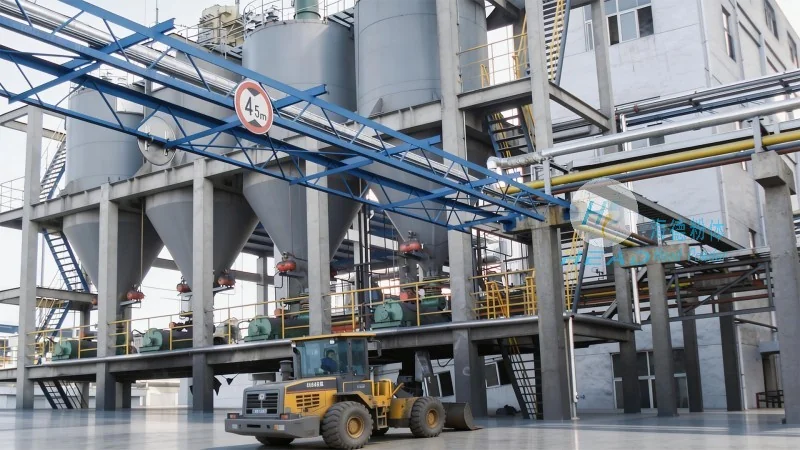
When selecting a pneumatic conveying system for zinc oxide, it is essential to compare the positive and negative pressure modes based on several key factors. The primary consideration is the distance and layout of the transport route. Positive pressure systems are generally more suitable for longer distances due to their ability to maintain consistent pressure and particle velocity. Negative pressure systems, on the other hand, are better suited for shorter distances or when the material needs to be collected from multiple sources. Another critical factor is the material's properties, such as particle size, density, and reactivity. Fine particles like zinc oxide may require higher air velocities in positive pressure systems to prevent settling, while negative pressure systems can handle these particles more gently. Cost is also a significant factor. Positive pressure systems may involve higher initial investment due to the need for robust blower units and pressure-resistant components, whereas negative pressure systems can be more economical for smaller-scale applications. Maintenance considerations also play a role; positive pressure systems may require more frequent maintenance of high-pressure components, while negative pressure systems might need regular checks on vacuum pumps and seals.
Application Scenarios and Selection Guidelines
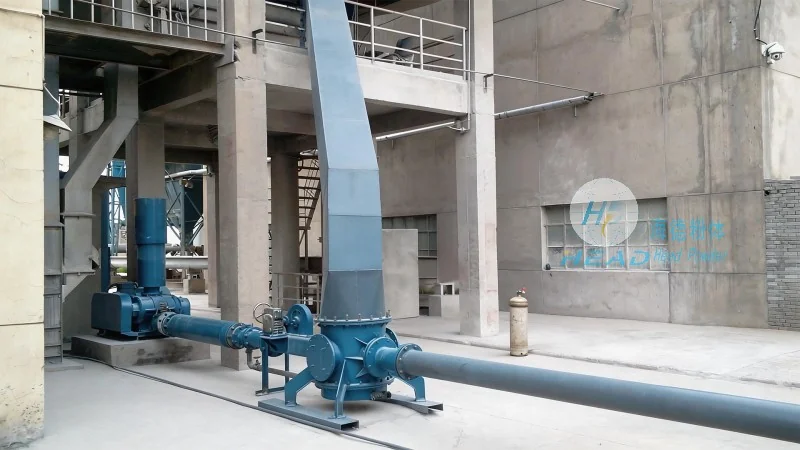
The choice between positive and negative pressure pneumatic conveying for zinc oxide depends on the specific operational requirements of the facility. For example, in a pharmaceutical plant where zinc oxide is used in the production of tablets, a negative pressure system might be preferred to minimize the risk of contamination and to ensure a clean environment. Conversely, in a large-scale rubber manufacturing plant where zinc oxide is transported over several hundred meters, a positive pressure system could be more efficient and cost-effective. It is also important to consider the existing infrastructure and available space. Positive pressure systems may require additional space for the blower and storage, while negative pressure systems can be more compact. Ultimately, the decision should be based on a thorough analysis of the material's characteristics, the transport distance, the operational environment, and the budget constraints. Consulting with a specialized material handling company, such as Shandong HeadPowder Engineering Co., Ltd., can provide valuable insights and help tailor the system to meet the unique needs of the application.
Conclusion
Pneumatic conveying technology offers a reliable and efficient solution for handling zinc oxide, with both positive and negative pressure modes providing distinct advantages. Positive pressure systems excel in long-distance and high-capacity transport, while negative pressure systems are better suited for short-distance and contamination-sensitive applications. By understanding the operational characteristics and constraints of each mode, industries can select the most appropriate system to enhance productivity, ensure product quality, and reduce operational costs. As a leading provider of material handling solutions, Shandong HeadPowder Engineering Co., Ltd. continues to innovate and deliver tailored systems that meet the evolving needs of the industry.