

Silica Powder Pneumatic Conveying Technology Analysis: Comparison of Positive and Negative Pressure
Silica powder, a widely used industrial material, often requires efficient and reliable transport methods to move it from one location to another. Pneumatic conveying technology provides a solution by utilizing air as the conveying medium, eliminating the need for traditional mechanical systems such as conveyor belts or buckets. This article offers an in-depth analysis of pneumatic conveying for silica powder, focusing on the two primary modes: positive pressure and negative pressure systems. We will explore the technical aspects, advantages, and considerations of each mode to help industrial operators make informed decisions.
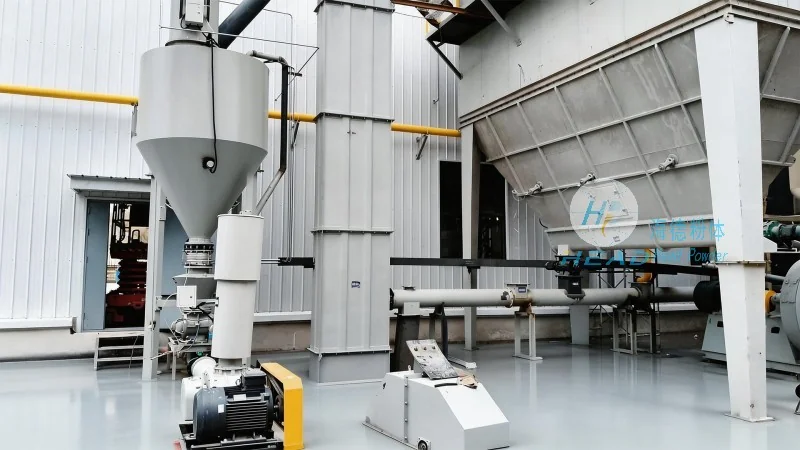
Understanding Pneumatic Conveying Systems
Pneumatic conveying systems are designed to transport bulk materials through a pipeline using air as the conveying medium. The system typically consists of a hopper, a feeder, a pipeline, and a receiver. The choice of system type—positive or negative pressure—depends on factors like material characteristics, distance, and system complexity. Both modes have unique applications and operational principles that must be understood to optimize performance.
Positive Pressure Pneumatic Conveying
Positive pressure systems operate by blowing air into the conveying line, creating a pressure higher than the ambient air. This method is suitable for transporting materials over longer distances and through complex piping networks. The high-pressure air pushes the powder particles through the pipeline, ensuring consistent flow and preventing blockages. A key advantage of positive pressure systems is their ability to handle abrasive or corrosive materials, which is particularly relevant for silica powder due to its potential to cause wear on system components. The system also allows for easy integration with other industrial processes, as the air can be recycled or vented to the atmosphere as needed.
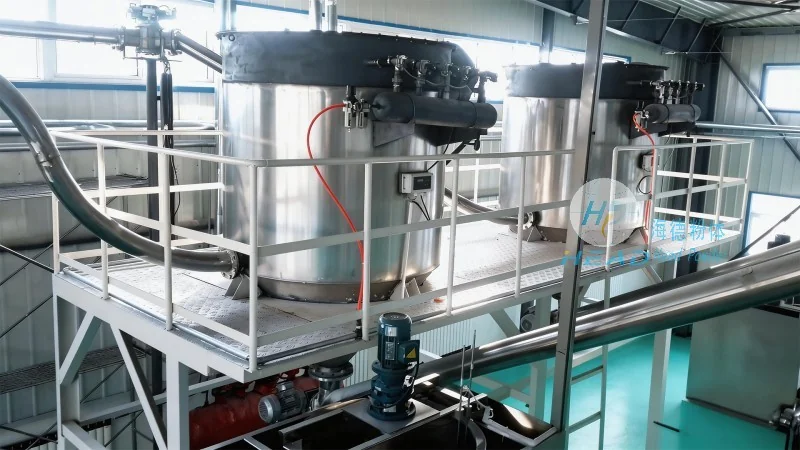
Negative Pressure Pneumatic Conveying
Negative pressure systems, also known as vacuum systems, create a vacuum in the conveying line by extracting air from the pipeline. This method is ideal for applications where the material needs to be collected from multiple sources or transported over shorter distances. The vacuum pulls the powder particles into the pipeline, making it suitable for dust collection and material recovery. Negative pressure systems are generally more energy-efficient for short-distance transport and can handle fine powders without the risk of particle degradation. However, they may be less effective for long-distance or high-volume transport due to the limitations of vacuum pressure.
Comparative Analysis: Positive vs. Negative Pressure
When comparing positive and negative pressure pneumatic conveying systems for silica powder, several factors come into play. The primary difference lies in the pressure differential and the direction of air flow. Positive pressure systems use higher pressure to push material, while negative pressure systems use lower pressure (vacuum) to pull material. For silica powder, which is often fine and abrasive, positive pressure systems may offer better control over particle flow and reduce the risk of clogging. However, negative pressure systems can be more cost-effective for short-distance transport and are easier to install in existing facilities.
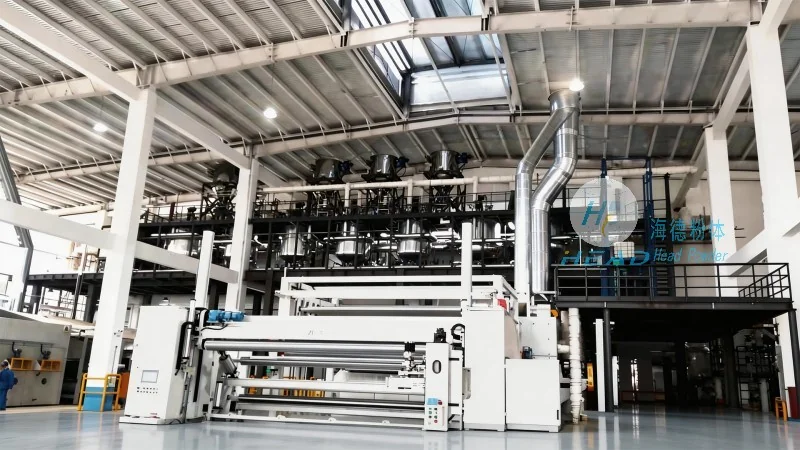
Key Considerations for Silica Powder Handling
Handling silica powder requires careful consideration of material properties, such as particle size, moisture content, and flowability. Silica powder is known for its high abrasiveness, which can lead to wear on system components like valves, pipes, and hoppers. Therefore, selecting appropriate materials of construction, such as stainless steel or high-grade plastics, is crucial to extend the system's lifespan. Additionally, the system must be designed to prevent dust accumulation and ensure proper filtration to comply with environmental regulations. The choice of conveying mode also impacts the system's maintenance requirements; positive pressure systems may require more frequent cleaning of filters and check valves, while negative pressure systems may need additional measures to prevent air leaks and maintain vacuum levels.
Application Examples in Industrial Settings
Silica powder is widely used in various industries, including pharmaceuticals, food processing, and construction. In pharmaceutical manufacturing, positive pressure systems are often preferred to maintain a sterile environment and prevent contamination. The high-pressure air in these systems helps to keep the powder particles suspended and prevents them from settling in the pipeline. In the food industry, negative pressure systems are commonly used for dust collection and material recovery, as they are less likely to introduce contaminants into the product. The construction industry may use a combination of both systems, depending on the specific application, such as transporting silica-based materials for concrete production.