

Analysis of Asphalt Powder Pneumatic Conveying Technology: Comparison of Positive Pressure and Negat
Asphalt powder pneumatic conveying technology has become a critical solution for efficient material handling in various industrial applications. The choice between positive pressure and negative pressure systems significantly impacts operational efficiency, cost, and safety. This article provides a detailed analysis of these two primary modes, highlighting their technical characteristics, advantages, and practical applications.
Introduction to Asphalt Powder Pneumatic Conveying
Asphalt powder, a key component in road construction and maintenance, requires reliable and efficient transportation methods to ensure consistent quality and minimize material loss. Pneumatic conveying systems offer a non-contact, low-cost solution compared to traditional methods like trucks or conveyor belts. The two main categories of pneumatic conveying are positive pressure and negative pressure systems, each with distinct operational principles and suitability for different scenarios. Shandong HeadPowder Engineering Co., Ltd., a leading provider of pneumatic conveying solutions, specializes in designing and manufacturing systems tailored to the unique needs of asphalt powder handling.
Positive Pressure Pneumatic Conveying Systems
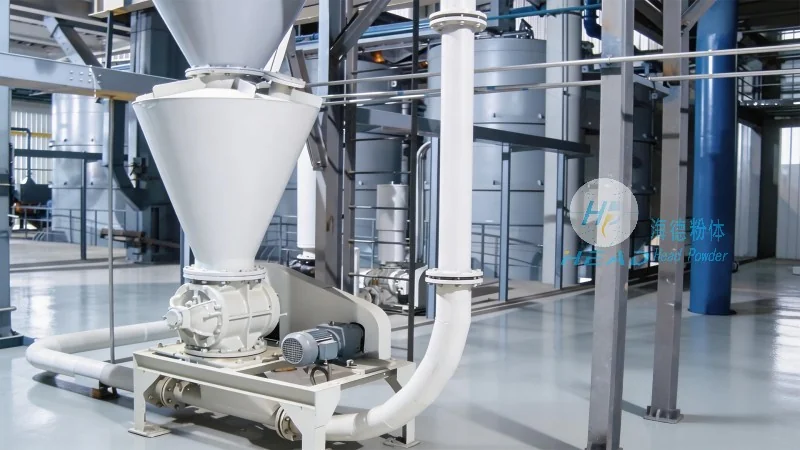
Positive pressure systems operate by blowing air or gas into the conveying line, creating a pressure higher than the ambient environment. This method is particularly effective for conveying abrasive or heavy materials like asphalt powder, as it provides consistent flow and reduces the risk of material degradation. The system typically includes a blower, a hopper for material storage, and a pipeline network that transports the material to the destination. A key advantage of positive pressure is its ability to handle long distances and multiple transfer points without significant pressure loss. However, it may require more robust equipment and higher energy consumption compared to negative pressure systems.
Negative Pressure Pneumatic Conveying Systems
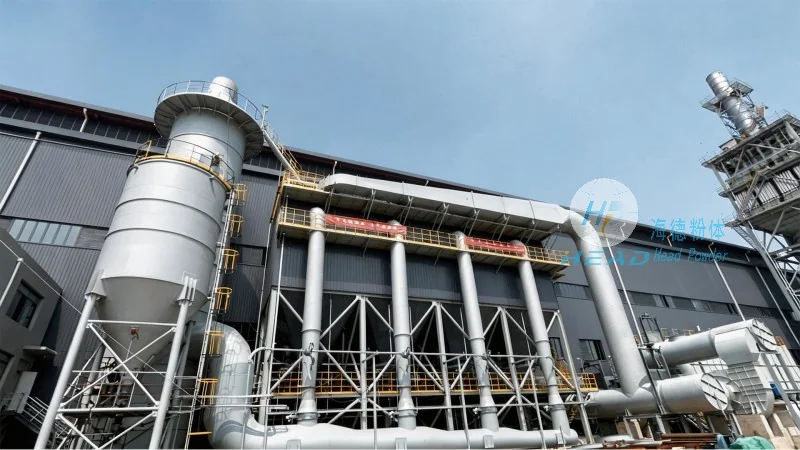
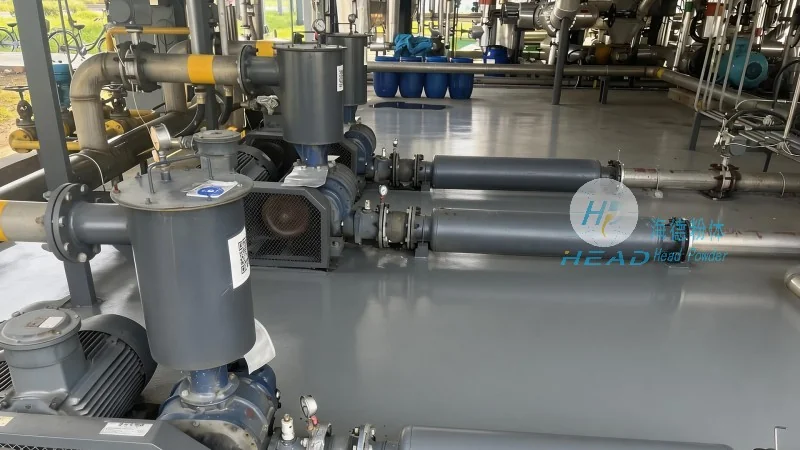
Negative pressure systems, also known as vacuum systems, work by creating a vacuum in the conveying line, drawing material from the source into the pipeline. This approach is often preferred for applications where material is to be collected from multiple points or where the material is light and less abrasive. The system uses a vacuum pump to maintain the low pressure, and the material is drawn through the pipeline by the pressure differential. One of the main benefits of negative pressure is lower energy consumption and reduced noise levels, making it suitable for indoor or sensitive environments. However, it may have limitations in conveying long distances or handling highly abrasive materials, as the vacuum can lead to increased wear on the system components.
Comparison of Positive and Negative Pressure Modes
When selecting a pneumatic conveying system for asphalt powder, several factors must be considered to determine the most suitable mode. The primary differences lie in operational pressure, energy consumption, material handling capabilities, and system complexity. Positive pressure systems are generally more suitable for high-volume, long-distance applications and materials with higher density or abrasiveness, as they provide consistent flow and can handle more challenging conditions. Negative pressure systems, on the other hand, are ideal for applications requiring lower energy use, indoor operations, or the collection of material from multiple sources. The choice also depends on the specific requirements of the project, including budget constraints, space availability, and environmental considerations.
Key Considerations for System Design
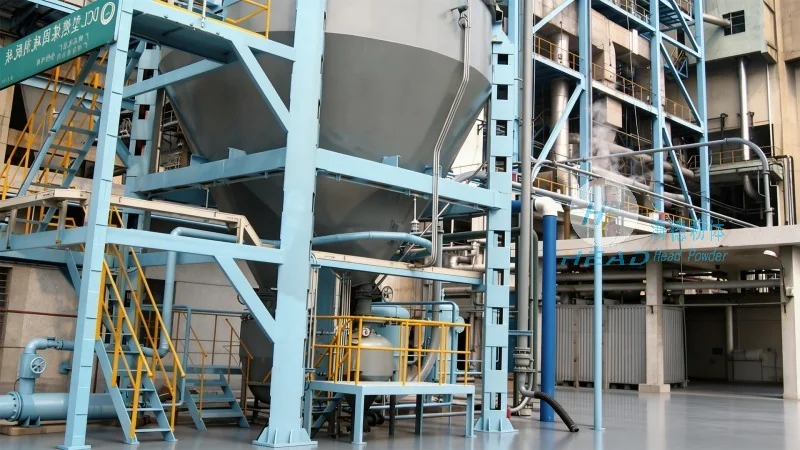
Designing an effective pneumatic conveying system for asphalt powder involves careful consideration of several technical aspects. The material's properties, such as particle size, density, and moisture content, play a crucial role in determining the appropriate system type and components. For example, fine asphalt powder may require a system with finer filtration and more precise control to prevent clogging. The system's capacity and the distance between the source and destination are also critical factors. Engineers must calculate the required air volume and pressure to ensure smooth material transport without excessive energy use. Additionally, the system's maintenance requirements and durability must be evaluated, as asphalt powder can be abrasive and may cause wear on components over time.
Applications in the Construction Industry
Asphalt powder is widely used in road construction, pavement maintenance, and asphalt production. Pneumatic conveying systems are essential for transporting this material from storage facilities to mixing plants or construction sites. Positive pressure systems are commonly used in large-scale road projects where high material throughput is required, such as highway construction or large-scale pavement repairs. Negative pressure systems may be used in smaller projects or for indoor applications, such as in asphalt mixing plants where space is limited and noise control is important. The efficiency of the conveying system directly impacts the overall productivity of the construction project, as delays in material delivery can lead to significant cost overruns.
Conclusion
Both positive pressure and negative pressure pneumatic conveying systems offer viable solutions for asphalt powder transportation, each with its own set of advantages and limitations. The choice between the two depends on the specific operational requirements, material characteristics, and project constraints. By understanding the technical differences and practical applications of each mode, engineers and project managers can select the most appropriate system to ensure efficient, cost-effective, and safe material handling. As the demand for high-quality asphalt products grows, the importance of reliable pneumatic conveying technology will continue to increase, making it a critical component in modern construction and infrastructure development.