

Analysis of Pneumatic Conveying Technology for Graphite Powder: Comparison of Positive and Negative
HeadPowder, a leading provider in the field of material handling solutions, specializes in advanced pneumatic conveying systems tailored for challenging materials like graphite powder. This article provides a detailed analysis of the two primary modes of pneumatic conveying—positive pressure and negative pressure systems—focusing on their applications, advantages, and practical considerations for graphite powder transport.
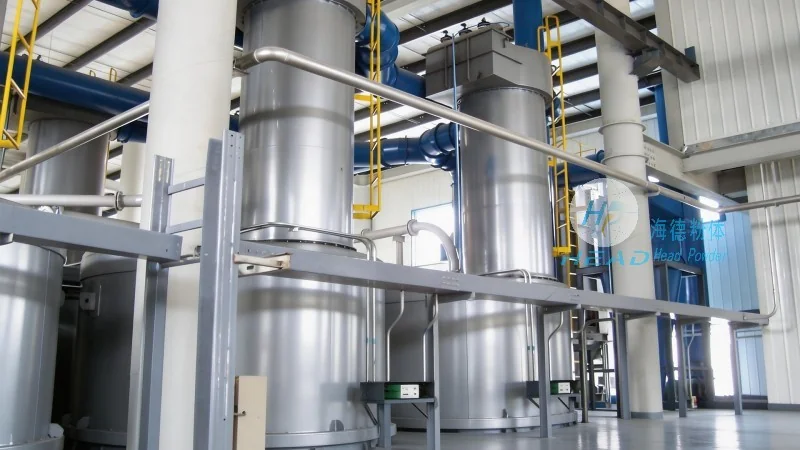
Introduction to Pneumatic Conveying for Graphite Powder
Graphite powder, widely used in various industries such as battery manufacturing, lubricants, and refractory materials, presents unique challenges during material handling due to its fine particle size, low bulk density, and potential for dust generation. Traditional methods like bulk bags or conveyor belts often struggle with dust control and material degradation. Pneumatic conveying offers a solution by transporting the powder through a pipeline using air pressure, enabling efficient, dust-free, and continuous material transfer. However, the choice between positive and negative pressure systems depends on several factors, including the material properties, system layout, and operational requirements.
Positive Pressure Pneumatic Conveying Systems
Positive pressure systems, also known as pressure conveying, operate by generating high-pressure air at the material inlet and pushing the powder through the pipeline. This mode is particularly effective for transporting graphite powder over long distances or through complex network layouts. The system typically includes a positive displacement blower or a rotary lobe pump that compresses air to a pressure of 5 to 15 psi above atmospheric pressure. The high pressure ensures that the powder is fully suspended and transported efficiently, minimizing the risk of blockages or material degradation.
Key advantages of positive pressure systems for graphite powder include: enhanced material flow control, reduced risk of clogging in long pipelines, and the ability to handle abrasive or corrosive materials without significant wear on the system components. Additionally, positive pressure systems are well-suited for applications where the material needs to be delivered to multiple destinations or integrated into existing production lines.
Negative Pressure Pneumatic Conveying Systems
Negative pressure systems, or vacuum conveying, operate by creating a low-pressure environment at the material inlet and drawing the powder into the pipeline using a vacuum pump. This mode is commonly used for short to medium-distance transport, typically up to 100 meters, and is ideal for applications where the material is to be collected from a hopper or a bulk container.
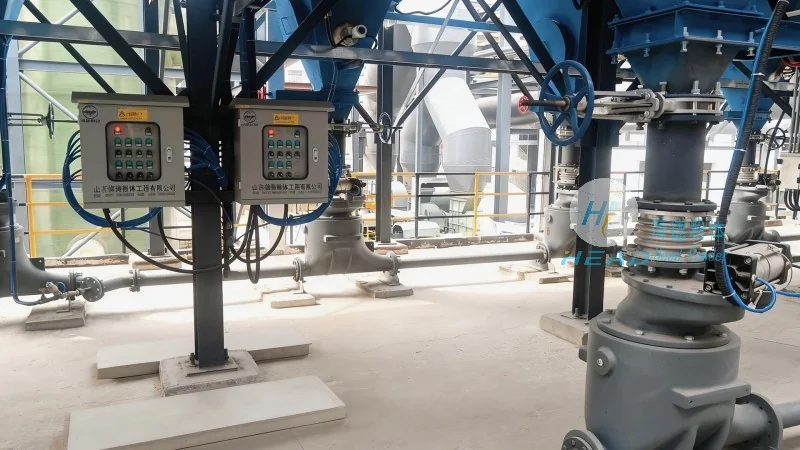
For graphite powder, negative pressure systems are advantageous when the material is to be transferred from a stationary source, as the vacuum pump can efficiently draw the fine particles into the pipeline without the need for complex material feeding mechanisms. The system typically uses a rotary vane or Roots blower to create a vacuum of 5 to 15 inches of mercury, ensuring the powder is fully entrained and transported. However, negative pressure systems may face challenges with long-distance transport due to the potential for pressure drop and material deposition in the pipeline.
Comparison of Positive and Negative Pressure Modes for Graphite Powder
When selecting between positive and negative pressure pneumatic conveying systems for graphite powder, several factors must be considered. The primary difference lies in the direction of air flow and the pressure differential. Positive pressure systems push the material through the pipeline, while negative pressure systems pull it. This fundamental difference impacts system design, energy consumption, and operational efficiency.
From an energy perspective, positive pressure systems generally consume more power due to the need to generate high pressure, whereas negative pressure systems require less energy as they operate at lower pressures. However, the energy consumption can vary based on the system layout, pipeline length, and material characteristics. For example, a positive pressure system may be more energy-efficient for long-distance transport due to its ability to maintain consistent pressure and flow rates.
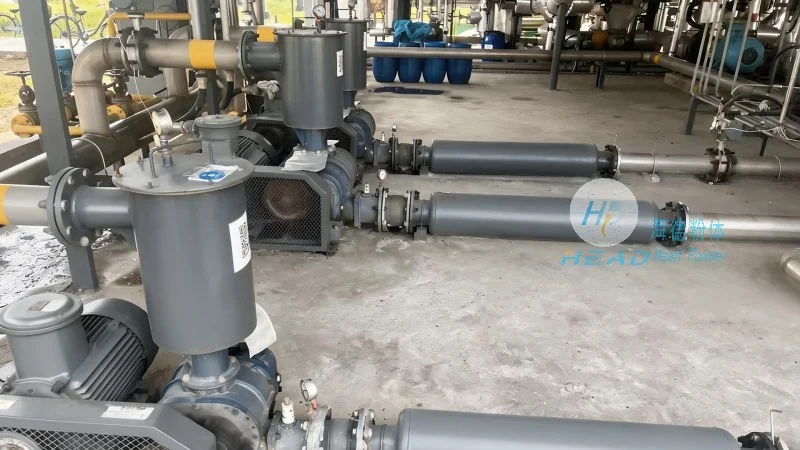
Material handling considerations also play a crucial role. Positive pressure systems are better suited for abrasive or corrosive materials like graphite, as the high-pressure air helps to keep the particles suspended and reduces the risk of material buildup on the pipeline walls. Negative pressure systems, on the other hand, are more suitable for non-abrasive materials or when the material is to be collected from a stationary source without the need for high-pressure air.
Practical Applications and System Design Considerations
HeadPowder, based in Shandong, China, designs and manufactures customized pneumatic conveying systems for graphite powder applications. The company's engineers consider several factors when designing a system, including the particle size distribution of the graphite powder, the required transport distance, and the number of discharge points. For instance, a positive pressure system may be recommended for a graphite powder plant that needs to transport material from a central hopper to multiple processing units over a distance of 500 meters, while a negative pressure system may be more appropriate for a small-scale operation where the material is collected from a bulk bag and transferred to a storage silo within 50 meters.
System design also involves selecting the appropriate pipeline material and diameter. Graphite powder is abrasive, so stainless steel or polyethylene pipelines are commonly used to minimize wear and corrosion. The pipeline diameter is determined based on the material flow rate and the pressure drop across the system. For positive pressure systems, a larger diameter may be required to maintain consistent pressure and prevent excessive pressure drop, while negative pressure systems may use smaller diameters due to the lower pressure requirements.
Conclusion
Both positive and negative pressure pneumatic conveying systems offer effective solutions for transporting graphite powder, with each mode having its own advantages and limitations. Positive pressure systems are ideal for long-distance, high-volume transport and abrasive materials, while negative pressure systems are better suited for short-distance, low-volume applications and non-abrasive materials. By understanding the material properties and operational requirements, HeadPowder can design a customized system that optimizes efficiency, reduces maintenance costs, and ensures safe and reliable material handling for graphite powder applications.