

[Pneumatic Conveying Technology Analysis for Sodium Chloride: Comparison of Positive and Negative Pr
HeadPowder, a leading engineering firm based in Shandong, China, specializes in advanced material handling solutions. This article provides an in-depth analysis of pneumatic conveying technology, specifically focusing on the application of sodium chloride and the comparative advantages of positive and negative pressure modes.
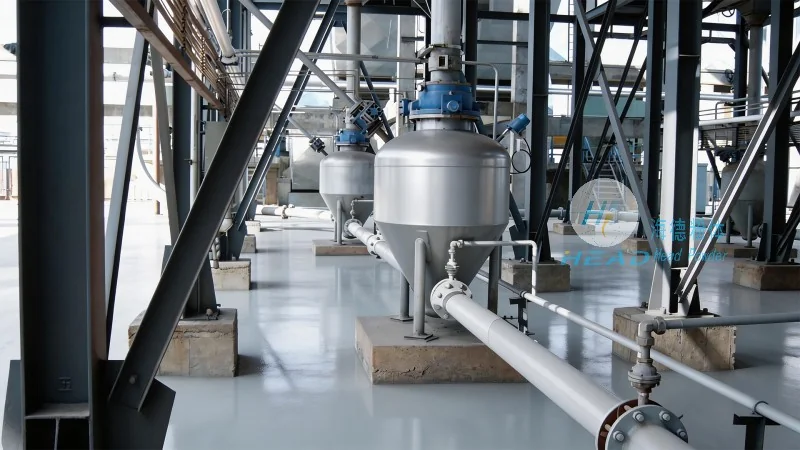
Introduction to Pneumatic Conveying for Sodium Chloride
Pneumatic conveying is a critical process in material handling, enabling the transport of bulk solids like sodium chloride through a pipeline using air or other gases. This method offers numerous benefits over traditional mechanical conveying systems, including reduced equipment wear, improved safety, and enhanced process control. For sodium chloride, which is widely used in industries such as food, pharmaceuticals, and chemical manufacturing, selecting the appropriate pneumatic conveying mode is essential for optimizing operational efficiency and product quality.
Understanding Positive Pressure Pneumatic Conveying
Positive pressure pneumatic conveying operates by generating pressure within the conveying line, typically using a positive displacement blower or a centrifugal fan. The system forces air and the material through the pipeline, ensuring a consistent flow rate and preventing material degradation. This mode is particularly suitable for transporting sodium chloride in applications where high pressure is required, such as long-distance or high-rise conveying. The positive pressure system also allows for the integration of multiple conveying lines and the ability to handle abrasive materials without significant wear on components.
Advantages of Positive Pressure Conveying
One of the key advantages of positive pressure pneumatic conveying is its ability to handle a wide range of material characteristics, including fine powders and granules. For sodium chloride, which can be in various forms (e.g., granules, crystals), the positive pressure system ensures uniform particle size distribution and prevents agglomeration. Additionally, this mode offers better control over the conveying velocity, reducing the risk of material segregation and ensuring consistent product quality. The positive pressure system also facilitates easier maintenance, as the equipment is designed to handle higher pressures and temperatures, making it suitable for continuous operation in industrial settings.
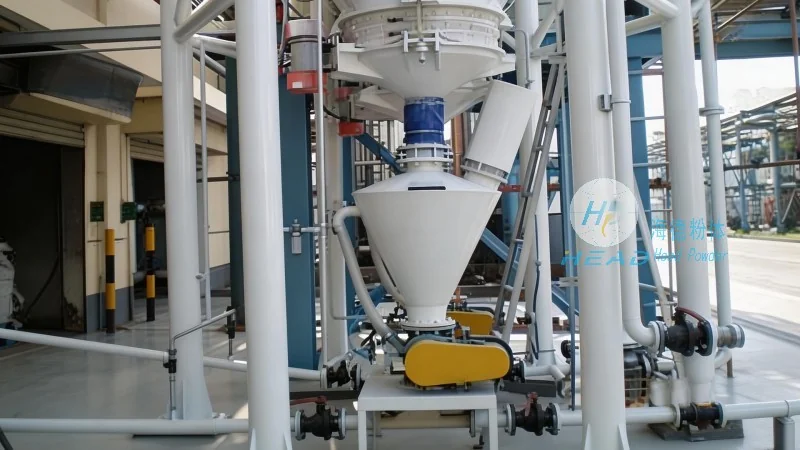
Understanding Negative Pressure Pneumatic Conveying
Negative pressure pneumatic conveying, also known as vacuum conveying, operates by creating a vacuum within the conveying line. This method draws the material and air into the system, using a vacuum pump to maintain the low pressure. The system is ideal for applications where the material needs to be collected from multiple points or transported over shorter distances. For sodium chloride, negative pressure conveying is often used in scenarios where the material is sensitive to high pressure or where the conveying distance is relatively short. The vacuum system allows for gentle handling of the material, minimizing the risk of particle breakage and preserving the integrity of the product.
Advantages of Negative Pressure Conveying
One of the primary advantages of negative pressure pneumatic conveying is its gentler handling of materials. For sodium chloride, which can be delicate or prone to clumping, the vacuum system ensures that the particles are transported without excessive force. This reduces the risk of product degradation and maintains the original characteristics of the material. Additionally, negative pressure systems are more energy-efficient for short-distance conveying, as they require less power to maintain the vacuum compared to positive pressure systems. The vacuum mode also allows for the collection of material from multiple sources, making it suitable for applications where the material is scattered or needs to be gathered from various locations.
Comparative Analysis: Positive vs. Negative Pressure Modes
When selecting between positive and negative pressure pneumatic conveying for sodium chloride, several factors must be considered. The choice depends on the specific application requirements, including the conveying distance, material characteristics, and operational constraints. Positive pressure systems are generally more suitable for long-distance or high-pressure applications, where the material needs to be transported with high velocity and minimal degradation. Negative pressure systems, on the other hand, are ideal for short-distance conveying and handling delicate materials, where gentler transport is required.
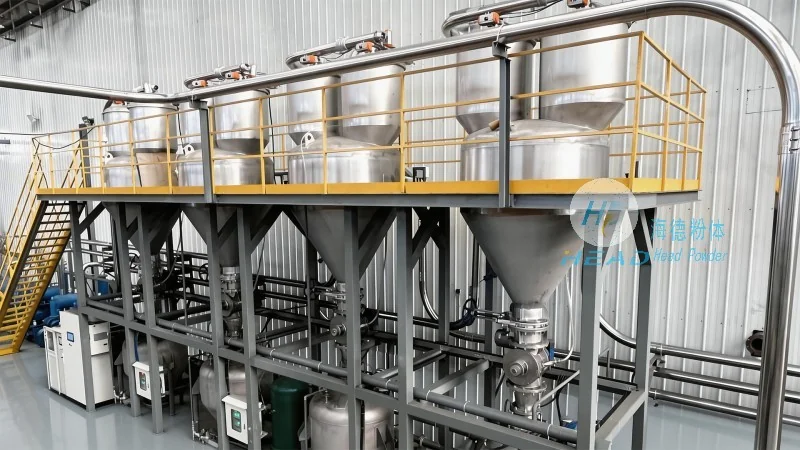
Key Considerations for Sodium Chloride Conveying
For sodium chloride, the choice of pneumatic conveying mode also depends on the form of the material. Granular or crystalline sodium chloride may benefit from positive pressure systems due to their ability to handle abrasive materials and maintain particle integrity. Fine powders, however, may require negative pressure systems to prevent dust generation and ensure safe handling. Additionally, the system design must consider the potential for material buildup or blockages, as sodium chloride can agglomerate under certain conditions. Proper filtration and cleaning mechanisms are essential to maintain the efficiency and longevity of the conveying system.
HeadPowder's Expertise in Pneumatic Conveying Solutions
HeadPowder Engineering Co., Ltd., based in Shandong, China, offers comprehensive pneumatic conveying solutions tailored to the specific needs of sodium chloride applications. The company leverages advanced engineering and material handling expertise to design and implement systems that optimize operational efficiency, reduce downtime, and ensure product quality. With a focus on both positive and negative pressure modes, HeadPowder provides customized solutions that address the unique challenges of sodium chloride conveying, including material handling, system integration, and maintenance.
Conclusion
Pneumatic conveying technology plays a vital role in the efficient handling of sodium chloride, with both positive and negative pressure modes offering distinct advantages. By understanding the characteristics of the material and the specific requirements of the application, industries can select the most appropriate conveying mode to maximize productivity and minimize operational costs. HeadPowder Engineering Co., Ltd. remains committed to providing innovative and reliable pneumatic conveying solutions that meet the evolving needs of the sodium chloride industry.