

Analysis of Lithium Manganese Dioxide Pneumatic Conveying Technology: Comparison of Positive and Neg
For industries dealing with lithium manganese dioxide (LiMnO₂) materials, selecting the right pneumatic conveying system is crucial for efficiency, safety, and operational reliability. This article provides a detailed analysis of the two primary pneumatic conveying modes—positive pressure and negative pressure—and compares their applications in the context of LiMnO₂ handling. The discussion is based on the expertise of Shandong HeadPowder Engineering Co., Ltd., a leading provider of powder handling solutions.
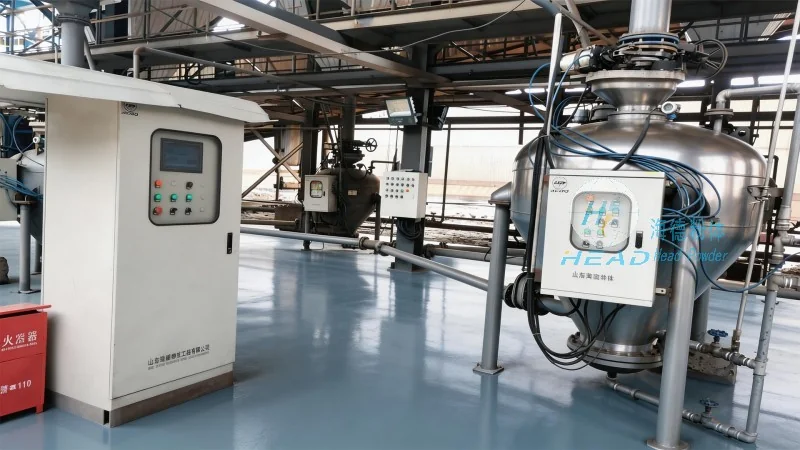
Introduction to Pneumatic Conveying for LiMnO₂
Lithium manganese dioxide is widely used in battery manufacturing and other industrial applications due to its high energy density and stability. The material's properties, such as its fine particle size and potential for dust generation, make it challenging to transport. Pneumatic conveying offers a solution by using air to move the material through a pipeline system. This method is preferred over traditional mechanical conveying for its ability to handle abrasive or sensitive powders without causing degradation or contamination.
Positive Pressure Pneumatic Conveying
Positive pressure systems operate by blowing air into the conveying line, creating a pressure higher than the ambient air pressure. This mode is particularly effective for transporting LiMnO₂ over long distances or through complex network systems. The high pressure ensures that the material is continuously propelled forward, reducing the risk of blockages and ensuring consistent flow rates. Shandong HeadPowder Engineering Co., Ltd. specializes in designing positive pressure systems tailored to the specific requirements of LiMnO₂ applications, including the use of high-quality materials and advanced control systems to maintain optimal performance.
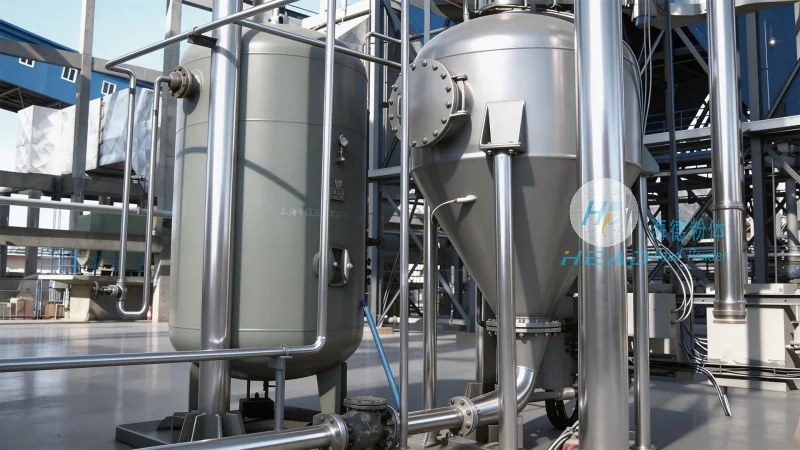
Negative Pressure Pneumatic Conveying
Negative pressure systems, also known as vacuum conveying, work by creating a vacuum in the conveying line, drawing the material from the source. This mode is ideal for applications where the material needs to be transported from a higher elevation to a lower one or where the source is located in a confined space. For LiMnO₂, negative pressure systems are commonly used in batch processing or when handling materials with a tendency to agglomerate. The vacuum helps to break up clumps and ensure a uniform flow, which is critical for maintaining the material's quality and preventing clogging in the system.
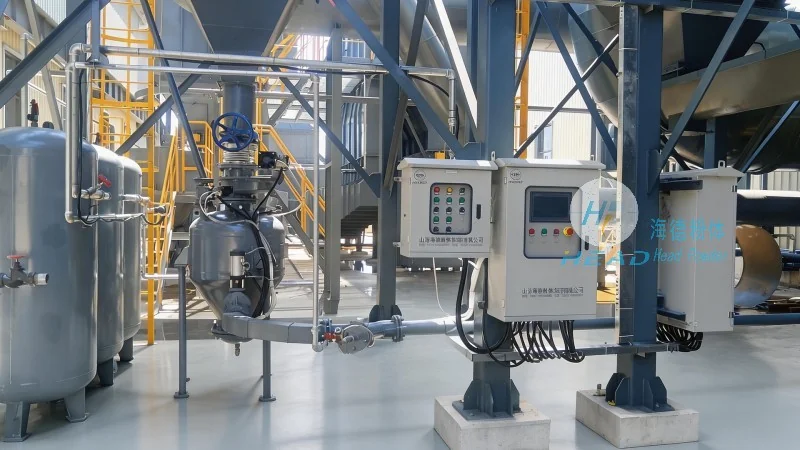
Key Differences and Selection Criteria
When choosing between positive and negative pressure pneumatic conveying for LiMnO₂, several factors must be considered. The distance and layout of the conveying system, the required flow rate, and the material's physical properties all play a role. Positive pressure systems are generally more suitable for long-distance or continuous operations, while negative pressure is preferred for shorter distances or when the material is sensitive to pressure changes. Additionally, the cost of equipment and maintenance should be evaluated. Shandong HeadPowder Engineering Co., Ltd. offers comprehensive consultation services to help clients determine the most appropriate system based on their specific operational needs and budget constraints.
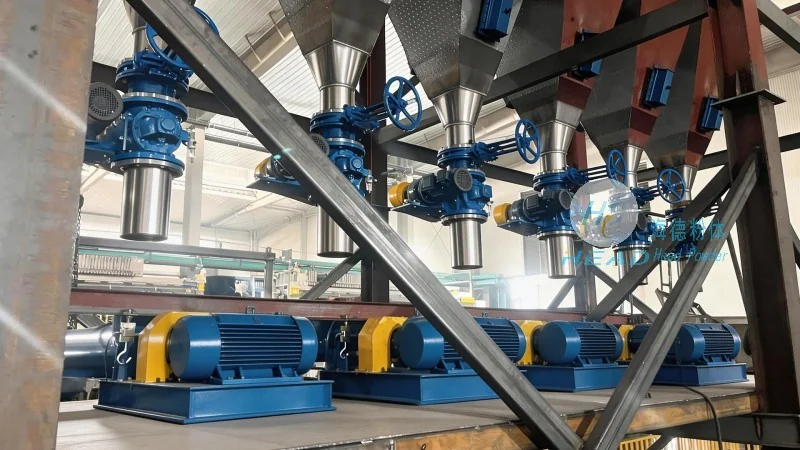
Advantages and Challenges of Each Mode
Positive pressure conveying offers advantages such as higher flow rates, better control over material velocity, and the ability to handle abrasive materials without damage. However, it may require more energy and can be more complex to install, especially in large-scale systems. Negative pressure systems are energy-efficient and can handle materials that are difficult to move by positive pressure, but they may have lower flow rates and are more susceptible to dust leakage if not properly sealed. For LiMnO₂, the choice of system depends on the specific application, with positive pressure often preferred for bulk handling and negative pressure for more delicate or batch processing scenarios.
Conclusion and Recommendations
Both positive and negative pressure pneumatic conveying systems have their place in the handling of lithium manganese dioxide. The key to selecting the right system lies in understanding the operational requirements, material characteristics, and cost considerations. Shandong HeadPowder Engineering Co., Ltd. provides expert guidance and customized solutions to ensure that clients choose the most efficient and reliable pneumatic conveying technology for their LiMnO₂ applications. By leveraging their experience and advanced engineering capabilities, companies can optimize their material handling processes and improve overall productivity.