Plastic material conveying is a critical process in various industrial applications, involving the efficient transportation of plastic materials from one location to another within manufacturing facilities. The principles and operational characteristics of these systems are essential for optimizing production efficiency and ensuring smooth workflow. This article explores the fundamental principles of plastic material conveying and highlights key application scenarios where such systems are utilized.
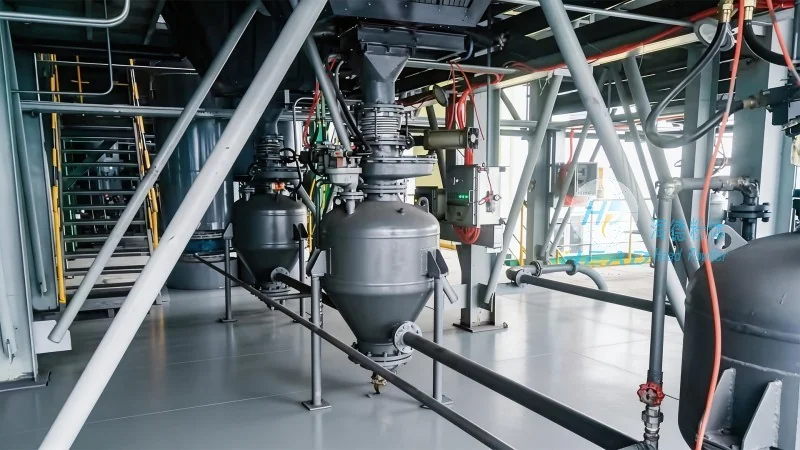
About Shandong HeadPowder Engineering Co., Ltd.
HeadPowder, as the company name suggests, specializes in engineering solutions for material handling, particularly in the plastic processing industry. With a strong presence in Shandong, China, the company has established itself as a reliable provider of conveying systems tailored to the unique needs of plastic manufacturers. The company's expertise lies in designing and implementing efficient material handling solutions that enhance productivity and reduce operational costs for clients across various sectors.
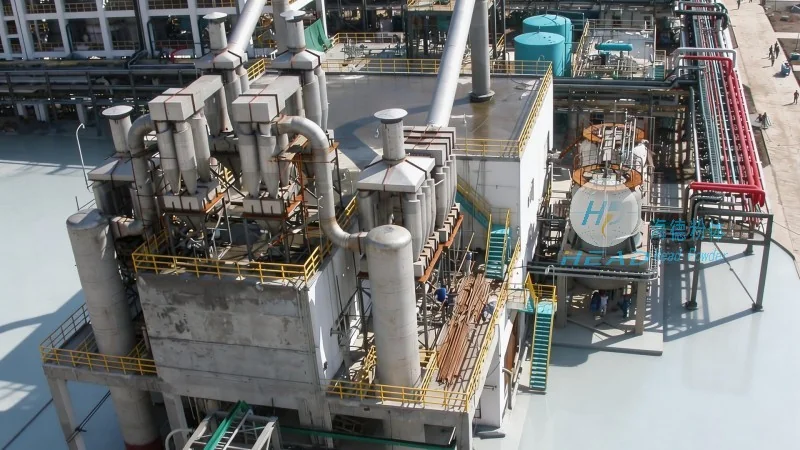
Principles of Plastic Material Conveying
The core principle of plastic material conveying is to move plastic materials, such as pellets, granules, or powders, from a source to a destination using mechanical or pneumatic systems. These systems are designed to handle different types of plastic materials, including thermoplastics, thermosets, and composite plastics, while maintaining consistent flow rates and minimizing material degradation. The key components of a typical plastic material conveying system include feeders, conveyors (e.g., screw conveyors, belt conveyors, or pneumatic conveyors), and control systems that regulate the movement of materials. The selection of the appropriate conveying method depends on factors such as material properties, production volume, and the distance between the source and destination.
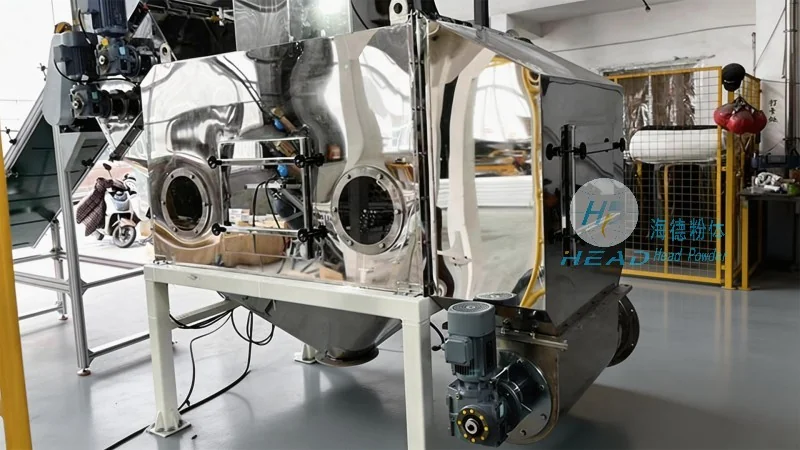
Application Scenarios and Working Scene Characteristics
Plastic material conveying systems are widely used in various industrial settings, each with distinct characteristics that influence the choice of conveying technology. For instance, in injection molding plants, conveying systems are used to transport plastic pellets from storage silos to the molding machines, ensuring a continuous supply of raw materials. In extrusion facilities, these systems help move plastic granules from the drying unit to the extruder, maintaining consistent moisture levels and preventing material clogging. Additionally, in recycling plants, plastic material conveying systems are employed to transport recycled plastic materials from sorting lines to processing units, facilitating the recycling process and reducing waste.
Key Considerations for Effective Plastic Material Conveying
When implementing plastic material conveying systems, several factors must be considered to ensure optimal performance. Material properties, such as density, moisture content, and abrasiveness, play a crucial role in determining the appropriate conveying method. For example, abrasive plastic materials may require special materials for the conveyor components to prevent wear and tear. Production volume and the required flow rate are also critical, as they influence the size and capacity of the conveying system. Furthermore, the distance between the source and destination, as well as the layout of the facility, impact the design of the conveying system, including the number of bends and the type of conveyor used.
Conclusion
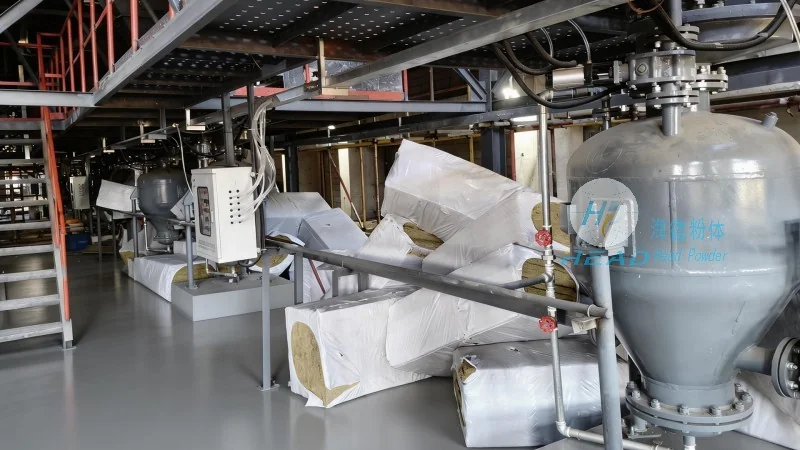
Plastic material conveying systems are essential for maintaining efficient operations in the plastic manufacturing industry. By understanding the principles and application scenarios of these systems, manufacturers can select the most suitable solutions to meet their specific needs. Shandong HeadPowder Engineering Co., Ltd. offers comprehensive engineering solutions for plastic material conveying, leveraging years of experience and expertise to deliver high-quality systems that enhance productivity and reliability. With a strong presence in Shandong, China, the company continues to provide innovative solutions that cater to the evolving demands of the plastic processing industry.




