

Principles and Working Scene Characteristics of Ammonia Fertilizer Material Handling
Ammonia fertilizer material handling is a critical process in modern agricultural and industrial operations, ensuring efficient transport and distribution of this essential nutrient. The principles behind ammonia fertilizer material handling involve specialized equipment and systems designed to manage the unique properties of ammonia, such as its high volatility, corrosive nature, and high energy content. Understanding these principles and the specific working scene characteristics is vital for optimizing operations and maintaining safety standards. This process is fundamental to the supply chain of ammonia-based fertilizers, which are widely used in agriculture to enhance crop yields and support sustainable food production.
Key Principles of Ammonia Fertilizer Material Handling
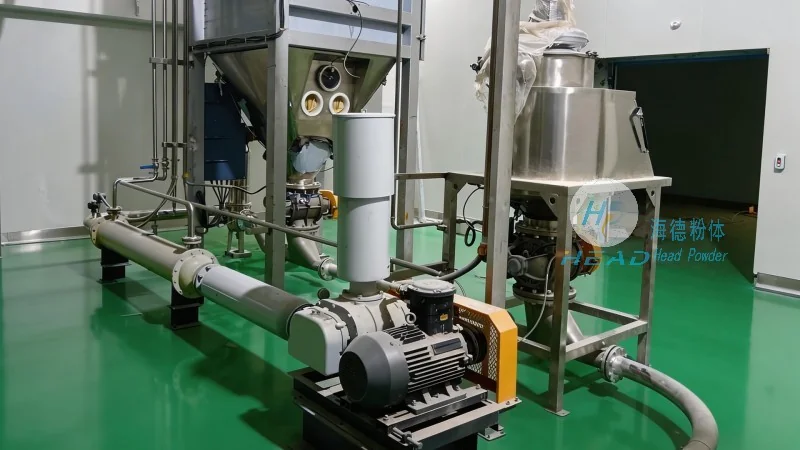
The core principles of ammonia fertilizer material handling revolve around the safe and efficient transfer of liquid ammonia from production facilities to storage tanks, and subsequently to end-users like farms or industrial plants. This process typically involves several key components: high-pressure pipelines, specialized pumps (often centrifugal or positive displacement types), and robust storage systems. The design of these systems must account for the chemical properties of ammonia, including its ability to cause corrosion in certain materials and its need for temperature control to prevent vaporization. Additionally, the systems are engineered to minimize leaks and ensure compliance with environmental and safety regulations. The use of materials like stainless steel and specialized coatings is common to mitigate corrosion risks, while temperature control mechanisms, such as insulation and refrigeration, help maintain the liquid state of ammonia during transport. Advanced monitoring systems, including pressure sensors and temperature gauges, are integrated to provide real-time data and enable proactive maintenance, further enhancing system reliability.
Working Scene Characteristics of Ammonia Fertilizer Material Handling
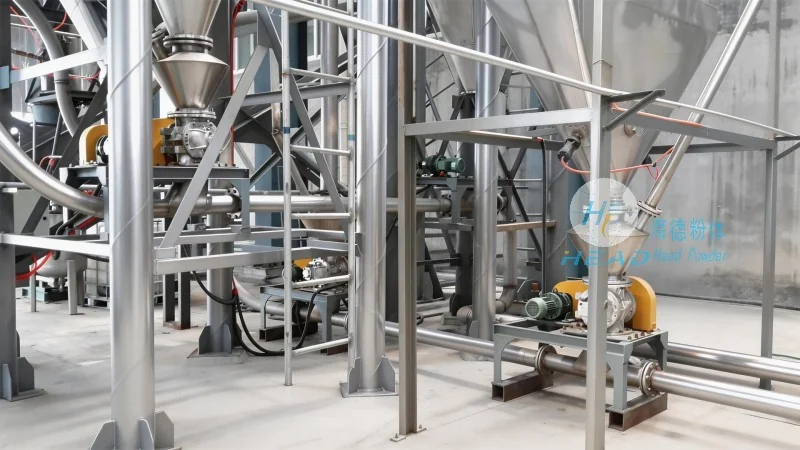
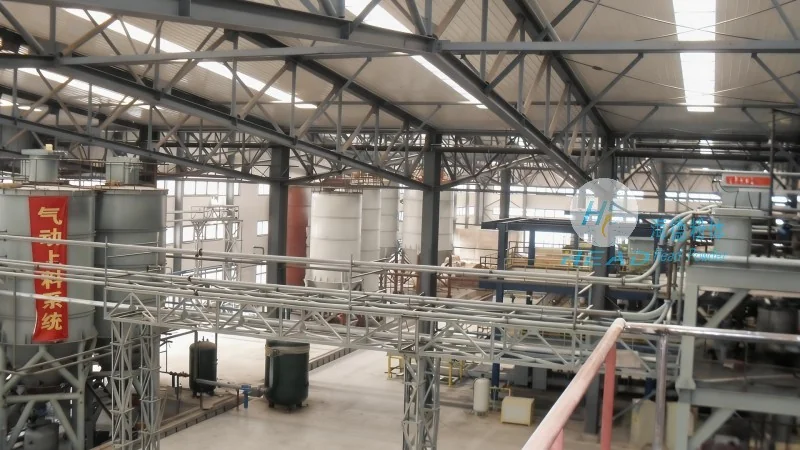
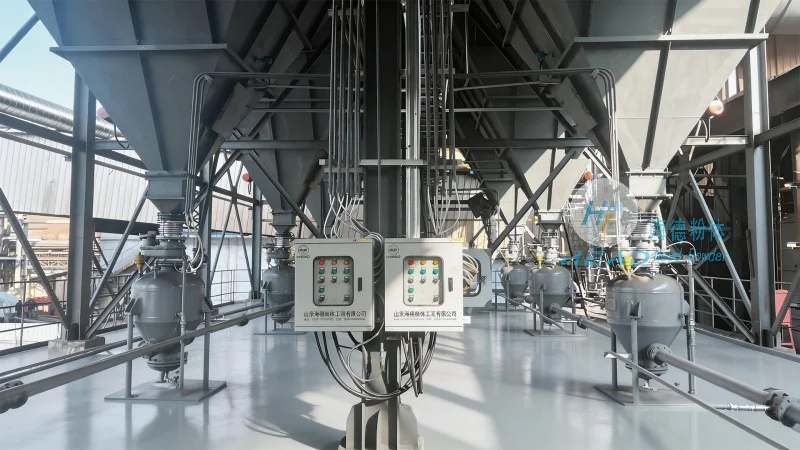
The working scene characteristics of ammonia fertilizer material handling vary significantly based on the application and scale of operation. In agricultural settings, the system may involve large-scale pipelines connecting fertilizer plants to farms, with the ability to deliver ammonia directly to application equipment like sprayers or injectors. This requires flexible and reliable delivery systems that can adapt to varying demand and geographic conditions, such as hilly or remote areas. Industrial applications, on the other hand, may involve more complex networks, including multiple storage tanks, processing units, and distribution points. The working scene also includes considerations like weather conditions, as ammonia is sensitive to temperature changes, and the need for emergency response protocols in case of leaks or spills. The operational environment may range from indoor industrial facilities to outdoor pipeline networks, each presenting unique challenges related to maintenance, monitoring, and safety. For example, in cold climates, additional insulation is required to prevent freezing and maintain the liquid state, while in hot climates, cooling systems are essential to avoid vaporization. The integration of automation and control systems in modern material handling setups enhances efficiency and reduces human error, making the process more reliable and consistent. These systems often include remote monitoring capabilities, allowing operators to track the status of pipelines, pumps, and storage tanks from a central location, improving response times and reducing downtime.