For industrial applications involving the transport of bulk materials like pearl salt granules, pneumatic conveying systems offer an efficient and reliable solution. These systems utilize air or gas to move particulate materials through a pipeline network, eliminating the need for mechanical components such as belts or buckets that are common in traditional conveying methods. The design of a pearl salt granule pneumatic conveying system is tailored to handle the specific characteristics of the material, including particle size, density, and flowability, ensuring optimal performance and minimal operational issues.
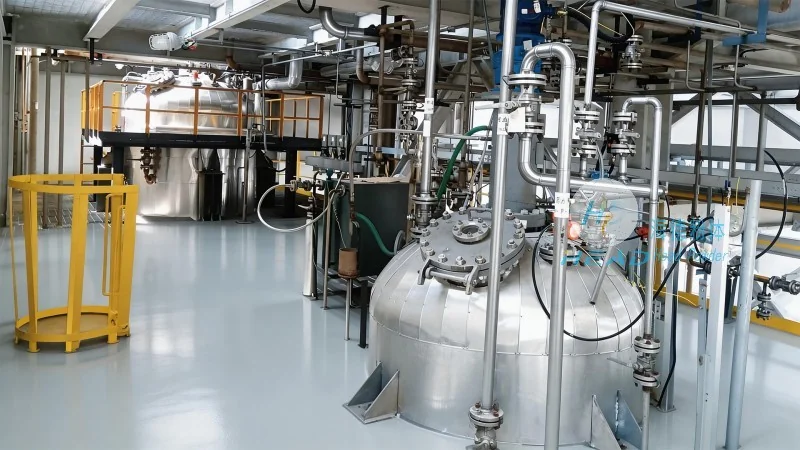
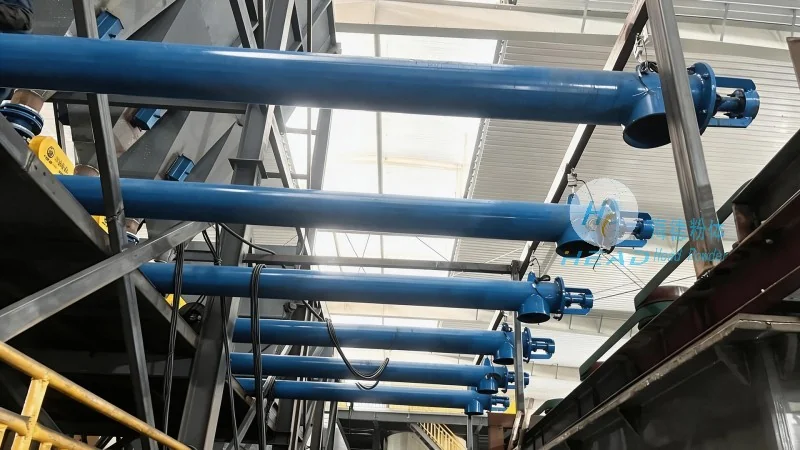
HeadPowder, a leading manufacturer based in Shandong, China, specializes in developing customized pneumatic conveying solutions for various industrial sectors. With years of experience in the field, the company's engineers design systems that meet the unique requirements of each client, whether it's for short-distance or long-distance material transport. The core components of a typical pearl salt granule pneumatic conveying system include the hopper, feeder, conveying line, and receiver. The hopper stores the bulk material, while the feeder controls the flow rate into the system. The conveying line, often made of stainless steel to prevent corrosion from the salt, transports the granules using compressed air or other gases. The receiver collects the material at the destination point, completing the process.
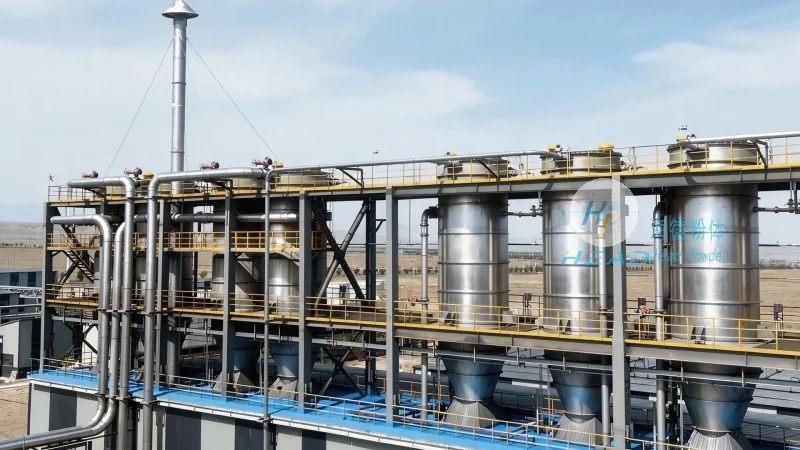
The design principles of a pneumatic conveying system for pearl salt granules focus on several key factors. First, the system must handle the material's particle size distribution, which can range from fine powders to larger granules. Proper design ensures that the particles do not settle or clog the pipeline, maintaining consistent flow rates. Second, the system's pressure and air velocity are critical. High air velocity is needed to overcome the resistance of the particles and maintain a stable flow, while excessive pressure can lead to material degradation or equipment wear. Engineers at HeadPowder carefully calculate these parameters based on the material's physical properties and the desired conveying distance. Third, the system's layout and components are designed to minimize pressure losses and energy consumption. This includes optimizing the pipe diameter, using appropriate bends and fittings, and selecting efficient air compressors. By addressing these factors, the system achieves high efficiency and low maintenance costs.
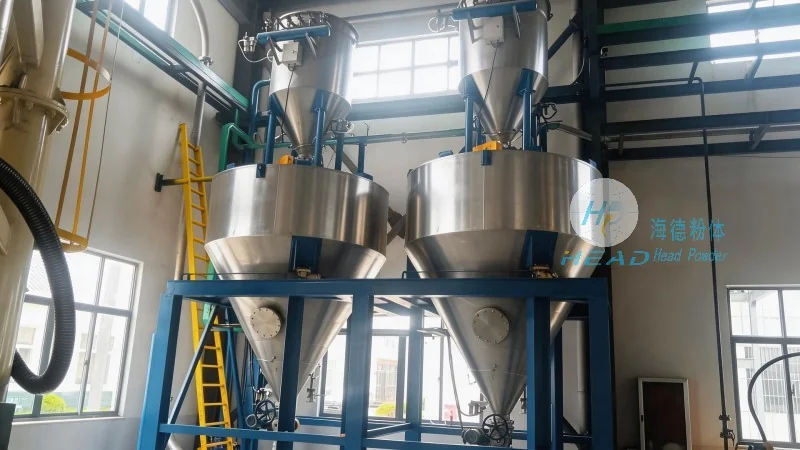
Another important aspect of the design is the prevention of material degradation and contamination. Pearl salt is often used in food and pharmaceutical industries, where purity is paramount. The system's components, such as the hopper and conveying line, are made of food-grade materials to avoid any chemical interaction with the salt. Additionally, the system is designed to minimize exposure to air and moisture, which can affect the salt's quality. HeadPowder's engineers incorporate features like air filtration and moisture control into the design to ensure the material remains in its original state throughout the conveying process. This attention to detail is crucial for industries where product quality directly impacts consumer safety and regulatory compliance.
Operational considerations also play a significant role in the design of a pearl salt granule pneumatic conveying system. The system must be easy to operate and maintain, with features that allow for quick cleaning and inspection. For example, the hopper and receiver are designed with easy-to-access doors for cleaning, and the conveying line includes inspection ports for monitoring the material flow. The system also includes safety features such as pressure relief valves and emergency shut-off mechanisms to prevent accidents and protect personnel. HeadPowder's commitment to safety and user-friendliness is evident in the design of their systems, which are engineered to meet international safety standards and provide long-term reliability.
In conclusion, a pearl salt granule pneumatic conveying system is a sophisticated piece of equipment that combines engineering principles with material science to efficiently transport bulk materials. The design process involves careful consideration of the material's properties, operational requirements, and safety standards. Companies like Shandong HeadPowder Engineering Co., Ltd. (HeadPowder) leverage their expertise to develop customized systems that meet the specific needs of their clients, ensuring optimal performance, efficiency, and compliance with industry regulations. Whether for short or long-distance transport, these systems offer a reliable solution for industries relying on the consistent and safe movement of pearl salt granules.




