

What is a Foamed Plastic Pneumatic Conveying System? What are its Design Principles?
Foamed plastic pneumatic conveying systems represent a specialized category of material handling technology, engineered to transport lightweight, low-density materials efficiently through an air-driven process. Unlike traditional bulk material handling methods that rely on mechanical components like belts or buckets, these systems utilize compressed air to move particles, making them particularly suitable for handling materials such as foamed plastics, powders, and granules. The core functionality involves creating a low-pressure or high-pressure air stream that propels the material through a pipeline, leveraging the principles of fluid dynamics and particle motion to achieve seamless material transfer.
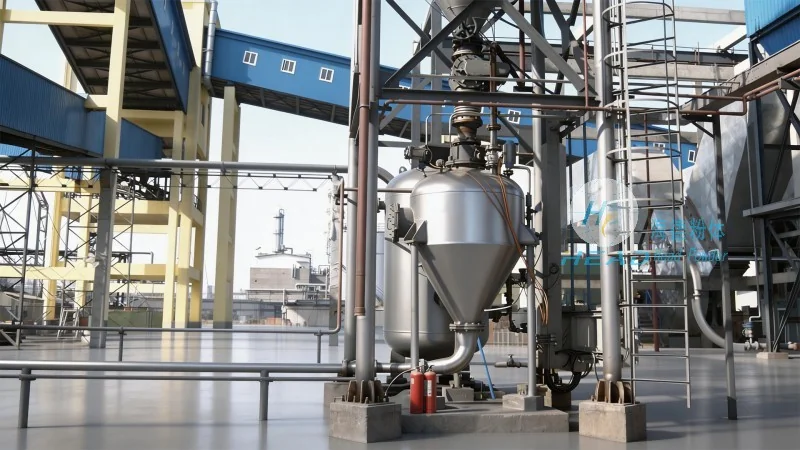
Key Design Principles of Foamed Plastic Pneumatic Conveying Systems
The design of a foamed plastic pneumatic conveying system is governed by several critical principles that ensure optimal performance, efficiency, and material integrity. First, the system must be tailored to the specific properties of the foamed plastic material being handled. This includes considerations of particle size, density, and flowability, as these factors directly impact the air velocity and pressure required for effective transport. Engineers must calculate the appropriate air velocity to prevent material settling or blockage in the pipeline, while maintaining energy efficiency. The system design also incorporates components such as air locks, cyclone separators, and filter bags to manage the air and material separation process, ensuring that the conveyed material is delivered to the destination without loss or contamination.
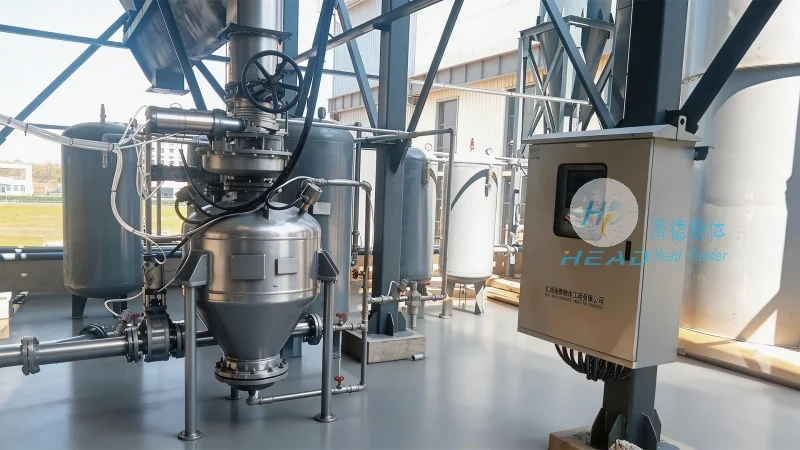
Components and Functionality of the System
At the heart of a foamed plastic pneumatic conveying system are several key components that work in tandem to facilitate material transfer. The primary components include a blower or compressor, which generates the necessary air pressure to drive the material through the system. The pipeline network, typically made of materials like stainless steel or plastic, forms the conduit for the material and air mixture. Airlocks, often in the form of rotary valves or slide gates, are used to control the flow of material into and out of the system, preventing backflow and maintaining system pressure. Cyclone separators or bag filters are critical for separating the material from the air stream, ensuring that the material is collected at the destination while the air is either recirculated or discharged. The system may also include pressure regulators and flow meters to monitor and adjust the air pressure and volume in real-time, optimizing performance based on operational conditions.
Applications and Benefits in Industrial Settings
Foamed plastic pneumatic conveying systems find extensive applications in various industrial sectors, including manufacturing, packaging, and material processing. They are particularly advantageous in environments where traditional mechanical conveying systems may be impractical due to the lightweight and low-density nature of the materials. The benefits of these systems include reduced labor costs, as they eliminate the need for manual handling of materials, and increased safety, as they minimize human exposure to dust and particulate matter. Additionally, the systems offer high throughput rates and low maintenance requirements, making them a cost-effective solution for continuous material handling operations. Industries such as automotive, electronics, and food processing often utilize these systems to transport foamed plastics used in components like insulation, packaging, or structural parts.
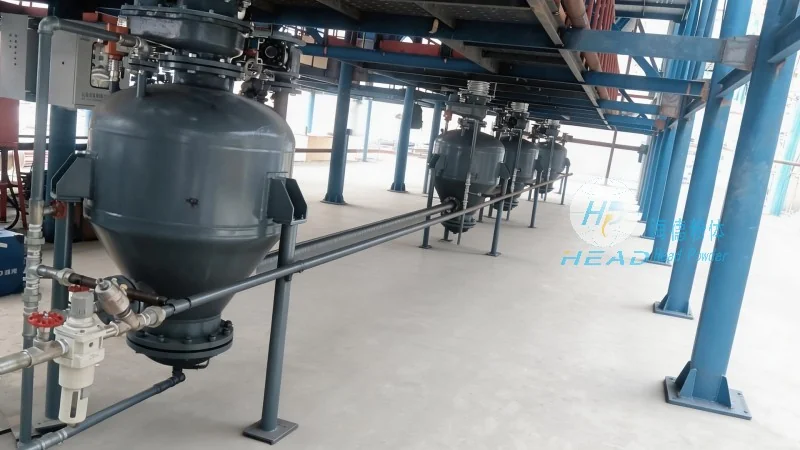
About Shandong HeadPowder Engineering Co., Ltd.
Shandong HeadPowder Engineering Co., Ltd., commonly known as HeadPowder, is a leading manufacturer and supplier of advanced material handling solutions, including foamed plastic pneumatic conveying systems. With a strong focus on innovation and customer-centric design, HeadPowder specializes in developing customized systems tailored to the unique needs of industrial clients. The company is headquartered in Shandong, China, and has built a reputation for delivering high-quality, reliable equipment that meets international standards. HeadPowder's team of engineers and technicians leverages years of experience in the material handling industry to design and manufacture systems that optimize performance, reduce operational costs, and enhance overall efficiency for their clients. The company's commitment to quality and customer satisfaction has made it a trusted partner for businesses seeking effective solutions for handling lightweight materials.