

What is a Wheat Starch Material Handling System? And What Are Its Design Principles?
Wheat starch is a vital ingredient in numerous industrial applications, ranging from food and beverage production to pharmaceutical formulations and cosmetic manufacturing. The efficient handling and transportation of wheat starch are critical for maintaining product quality, ensuring consistent processing, and optimizing overall operational efficiency. This article delves into the concept of a wheat starch material handling system, exploring its fundamental components and the key design principles that govern its functionality. By understanding these aspects, stakeholders in the wheat starch industry can make informed decisions about system selection and implementation.
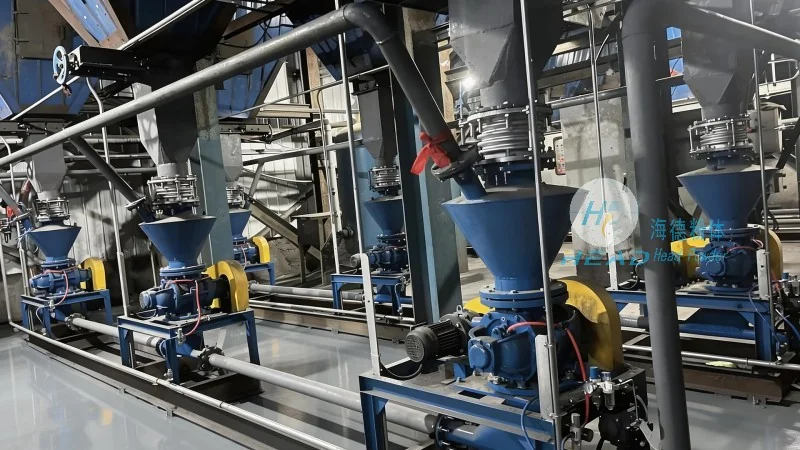
Core Components of a Wheat Starch Material Handling System
A comprehensive wheat starch material handling system typically consists of several interconnected components, each serving a specific purpose in the material flow process. The primary components include receiving hoppers, which are designed to store and feed raw wheat starch into the system. These hoppers often feature a conical or rectangular design to facilitate uniform material discharge. Next, conveyors are employed to transport the starch from the hoppers to storage silos or processing units. Conveyors may be of various types, such as belt conveyors, screw conveyors, or pneumatic systems, depending on the material characteristics and operational requirements. Storage silos are another critical component, providing a secure and controlled environment for bulk storage, which helps in managing inventory levels and preventing material degradation. Finally, control systems, including sensors and automation equipment, monitor and regulate the entire process, ensuring smooth operation and minimizing downtime.
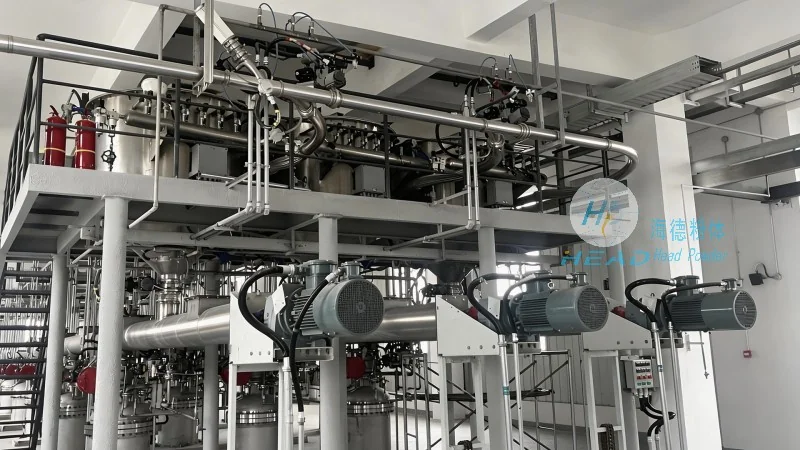
Design Principles for Efficient Wheat Starch Handling
The design of a wheat starch material handling system is guided by several fundamental principles aimed at optimizing performance, safety, and product integrity. One of the most important principles is the minimization of material degradation during handling. Wheat starch is hygroscopic, meaning it absorbs moisture from the air, which can lead to clumping and caking if not managed properly. Therefore, the system must incorporate features that prevent moisture accumulation and maintain consistent material flow. Additionally, the design should minimize mechanical stress, as excessive impact or friction can cause the starch particles to break down or degrade in quality. This is achieved through the use of smooth surfaces, gentle inclines, and appropriate conveyor speeds. Another critical principle is the prevention of cross-contamination. In industries where product purity is non-negotiable, such as food and pharmaceuticals, the system must be constructed from materials that are easy to clean and sanitize, such as stainless steel. The design also considers the need for dust control, as wheat starch is a fine powder that can generate significant dust during handling. Effective dust suppression measures, including sealed enclosures and filtration systems, are integrated into the system to ensure a safe working environment.
HeadPowder Engineering: Expertise in Wheat Starch Handling Solutions
Shandong HeadPowder Engineering Co., Ltd. is a prominent player in the material handling industry, specializing in the design and manufacturing of systems tailored to the unique demands of wheat starch processing. With a strong commitment to innovation and adherence to international standards, HeadPowder leverages advanced engineering capabilities to develop customized solutions that enhance operational efficiency and product quality. The company’s team of experienced engineers works closely with clients to understand their specific requirements, including production capacity, material characteristics, and regulatory compliance needs. By integrating cutting-edge technologies and materials, HeadPowder ensures that its systems are not only efficient but also durable and cost-effective. The company’s headquarters are located in Shandong, China, where it operates a state-of-the-art manufacturing facility equipped with the latest design and testing equipment.
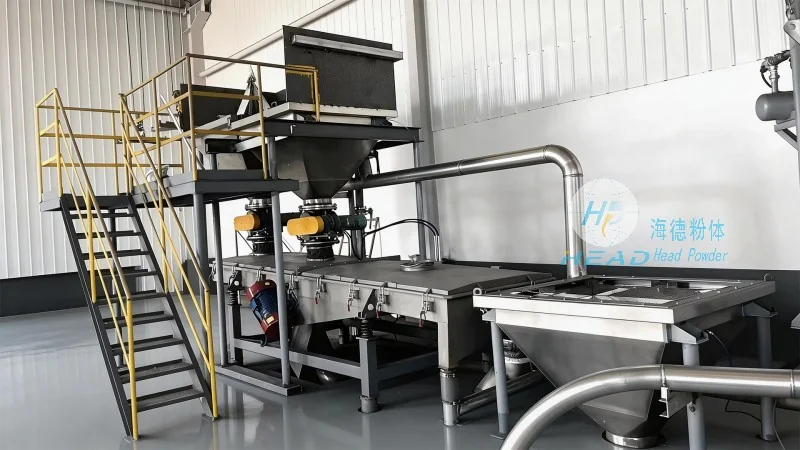
Advantages of Modern Wheat Starch Material Handling Systems
Modern wheat starch material handling systems offer several advantages over traditional methods, contributing to improved productivity and reduced operational costs. One key advantage is the integration of automation and control systems, which enable real-time monitoring and adjustment of the material flow. This allows operators to respond quickly to changes in demand or material conditions, minimizing downtime and ensuring consistent output. Another advantage is the use of advanced materials and construction techniques, such as stainless steel and corrosion-resistant coatings, which enhance the system’s longevity and reduce maintenance requirements. Additionally, modern systems often incorporate energy-efficient designs, such as variable speed drives and optimized conveyor layouts, which help lower energy consumption and operating costs. The combination of these features results in a more reliable and sustainable material handling solution that meets the evolving needs of the wheat starch industry.