

What is a Powder Coating Material Handling System? And What Are Its Design Principles?
Understanding the powder coating material handling system is crucial for optimizing the efficiency and reliability of powder coating applications. This system is designed to transport, store, and manage powder coating materials from raw material storage to the spray booth and finishing stages. The core components and design principles of such a system are essential for ensuring consistent quality and minimizing downtime in industrial coating processes.
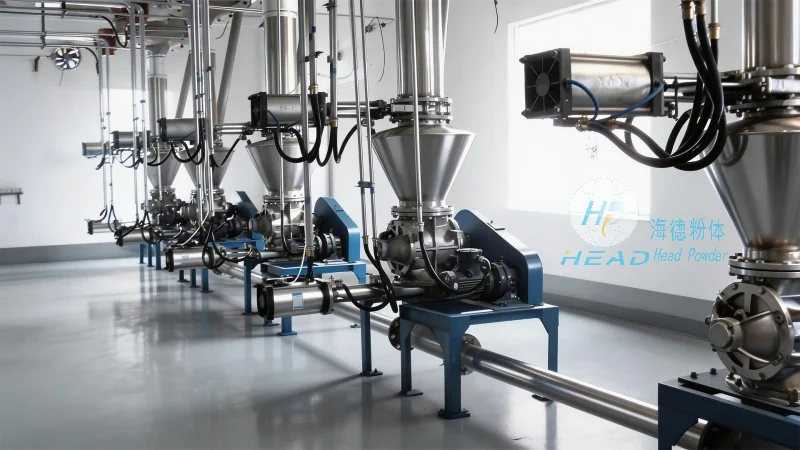
Powder Coating Material Handling System Overview
The powder coating material handling system typically includes several key components that work in tandem to facilitate the smooth flow of powder. These components may include bulk material storage silos or hoppers, conveying equipment like screw conveyors or pneumatic conveying systems, feeding mechanisms, and storage bins for finished powder. Each component is engineered to handle the specific characteristics of powder coatings, such as their fine particle size, hygroscopic nature, and potential for static charge accumulation.
Design Principles for Efficient Material Handling
The design of a powder coating material handling system follows several fundamental principles to ensure optimal performance. First, the system must maintain a consistent flow rate of powder to prevent clogging or uneven distribution. This is achieved through proper sizing of hoppers, conveyors, and feeding devices, as well as the use of anti-static measures to prevent powder buildup. Second, the system should minimize exposure to moisture and air, as powder coatings are sensitive to humidity, which can lead to premature curing or quality issues. Enclosed systems with proper ventilation and moisture control are commonly employed to address this. Third, the design must consider the space constraints and operational requirements of the facility, ensuring that the system integrates seamlessly with existing production lines and equipment.
Key Components and Their Functions
1. Bulk Storage Silos or Hoppers: These are used to store large quantities of powder coating material. They are typically made of stainless steel or other corrosion-resistant materials to prevent contamination and ensure durability. The design of the silo includes a hopper with a conical bottom to facilitate the flow of powder under gravity, often equipped with a rotary valve or gate to control the discharge rate.
2. Pneumatic Conveying Systems: For long-distance or high-volume transport, pneumatic conveying is a common method. This system uses air pressure to move powder through a network of pipes. It can be either positive pressure (where air pushes the powder) or negative pressure (where air pulls the powder). The choice of system depends on factors like the distance, material characteristics, and desired flow rate. Pneumatic systems are effective for preventing dust contamination and maintaining powder quality.
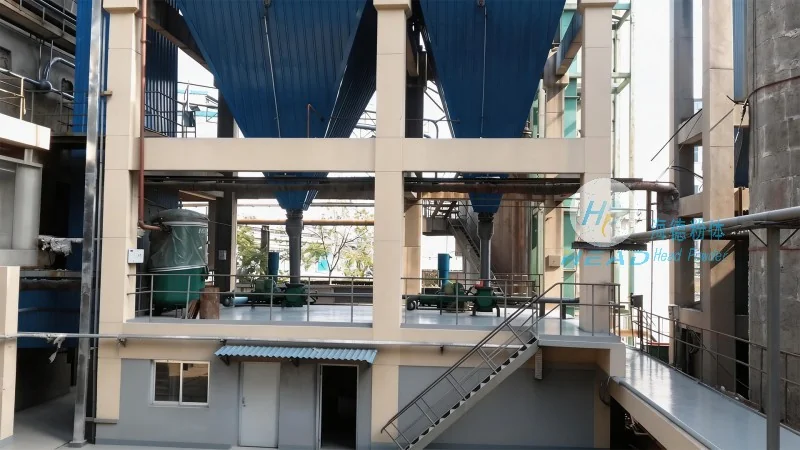
3. Screw Conveyors: Screw conveyors are used for short-distance transport within the facility. They consist of a rotating screw inside a tube or trough, which moves the powder along the path. Screw conveyors are suitable for moderate volumes and can be easily integrated with other equipment. They are often used to transfer powder from the storage silo to the feeding mechanism or to the spray booth.
4. Feeding Mechanisms: The feeding mechanism is responsible for accurately metering the powder and delivering it to the spray booth. Common types include rotary valves, vibratory feeders, and screw feeders. These devices ensure a consistent flow rate, which is critical for maintaining the uniformity of the coating thickness. The feeding mechanism is often equipped with a control system that adjusts the flow rate based on production demand or material level in the storage silo.
5. Storage Bins and Dosing Systems: After the powder is processed and prepared for use, it is stored in smaller bins or dosing systems. These systems are designed to hold a manageable amount of powder for the immediate coating process. They may include features like level sensors to monitor the powder level and alert operators when refilling is needed. The dosing system ensures that the correct amount of powder is dispensed for each coating job, maintaining consistency across different batches.
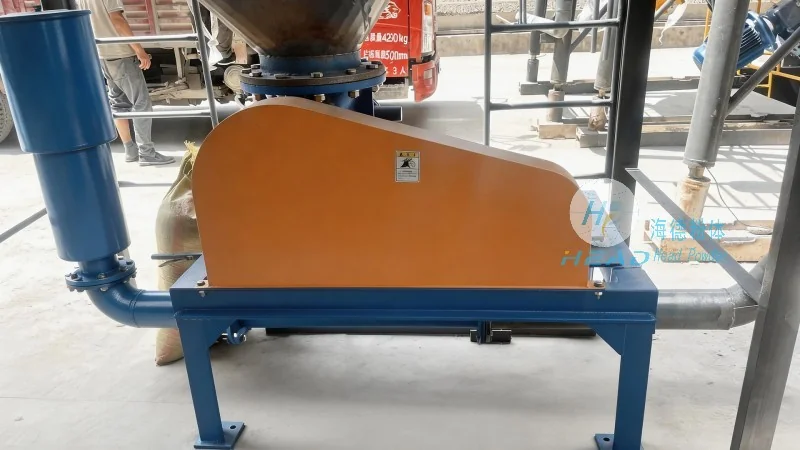
Importance of Anti-Static Measures
Powder coatings are prone to static charge accumulation due to their fine particle size and insulating properties. Static electricity can cause powder to stick to surfaces, leading to uneven coating, clogging in the system, or even safety hazards. To mitigate these issues, anti-static measures are incorporated into the design of the material handling system. These measures may include the use of anti-static additives in the powder, grounding equipment, and the application of ionizers or static eliminators. Proper grounding of all components and regular maintenance of anti-static devices are essential to ensure the system operates efficiently and safely.
Moisture Control and Environmental Considerations
Moisture is a significant factor that can affect the quality of powder coatings. Exposure to high humidity can cause the powder to absorb moisture, leading to premature curing, reduced adhesion, or the formation of a skin on the surface of the powder. To prevent this, the material handling system is designed with moisture control features. Enclosed storage areas with dehumidifiers or desiccant systems are used to maintain low humidity levels. The conveying and feeding equipment are also designed to minimize exposure to air and moisture, with sealed components and proper sealing of connections. Regular monitoring of moisture levels and maintenance of moisture control systems are crucial for maintaining the quality of the powder coating material.
Integration with Production Lines
The powder coating material handling system is an integral part of the overall production line. It must be designed to integrate seamlessly with other equipment such as the spray booth, curing oven, and quality control systems. The system should allow for easy adjustment of parameters such as flow rate, temperature, and humidity to match the specific requirements of different coating applications. The integration also includes the ability to connect to automation systems for real-time monitoring and control, enhancing the overall efficiency and consistency of the coating process.
Conclusion
In summary, the powder coating material handling system is a critical component of industrial coating operations, designed to ensure the efficient and reliable transport and management of powder coating materials. The design principles, including consistent flow, moisture control, and anti-static measures, are essential for maintaining the quality and performance of the coating process. By understanding and implementing these principles, manufacturers can optimize their production lines, reduce downtime, and improve the overall quality of their coated products. For businesses seeking to enhance their powder coating processes, investing in a well-designed material handling system is a key step toward achieving consistent, high-quality results.