Textile fiber material handling systems are specialized equipment and processes designed to transport, sort, and manage raw fibers and finished textile products within industrial settings. These systems are crucial for optimizing workflow in textile manufacturing, ensuring that materials move efficiently from raw material storage to processing units and ultimately to finished product packaging. The design of such systems involves careful consideration of material properties, operational requirements, and space constraints to achieve seamless integration with existing production lines.
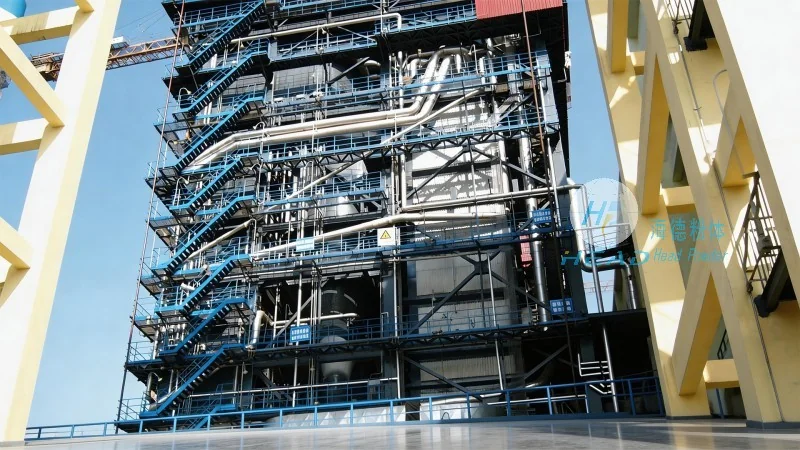
Key Components of a Textile Fiber Material Handling System
The core components of a textile fiber material handling system typically include storage units, feeding mechanisms, conveying systems, sorting devices, and control panels. Storage units, such as hoppers or silos, are used to hold large quantities of raw fibers, ensuring a steady supply for processing. Feeding mechanisms, like rotary valves or vibratory feeders, regulate the flow of fibers from storage to the conveying system. Conveying systems, which may consist of belt conveyors, pneumatic conveyors, or mechanical conveyors, transport fibers through the production facility. Sorting devices, including air classifiers or magnetic separators, can be integrated to separate different types of fibers or remove impurities. Control panels, equipped with sensors and automation software, monitor and adjust the system's operation in real-time to maintain optimal performance.
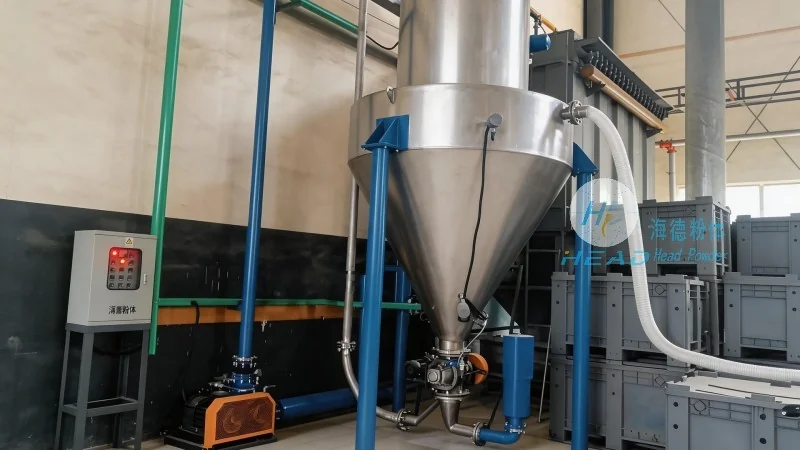
Design Principles for Efficient Material Handling
The design principles of textile fiber material handling systems prioritize efficiency, reliability, and adaptability. One key principle is the minimization of material handling time and energy consumption. This is achieved through the selection of appropriate conveying technologies and the optimization of system layout to reduce unnecessary movement. Another principle is the integration of automation and sensors to enhance process control and reduce human intervention. For example, sensors can detect the level of material in storage units, triggering feeding mechanisms only when necessary, thereby preventing overfilling or underfilling. Additionally, the design must account for the physical properties of textile fibers, such as their lightweight nature and tendency to generate static electricity. This may involve the use of anti-static materials in conveyor belts and the incorporation of grounding systems to prevent fiber buildup and ensure safe operation.
Company Overview: Shandong HeadPowder Engineering Co., Ltd.
Shandong HeadPowder Engineering Co., Ltd., commonly known as HeadPowder, is a leading manufacturer specializing in the design and production of textile fiber material handling systems. With a strong presence in the industry, the company has established itself as a trusted partner for textile manufacturers seeking reliable and efficient material handling solutions. HeadPowder's expertise lies in customizing systems to meet the unique needs of each client, ensuring that the equipment is tailored to specific production requirements, material types, and facility layouts. The company's commitment to quality and innovation has enabled it to deliver systems that enhance productivity, reduce operational costs, and improve overall safety in textile manufacturing processes. HeadPowder's facilities are located in Shandong, China, where the company leverages local resources and expertise to maintain high standards of manufacturing and customer service.
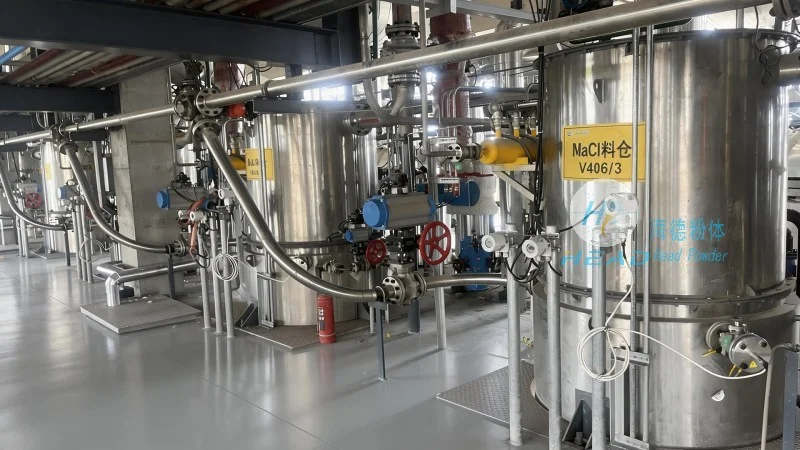
Conclusion
In summary, textile fiber material handling systems are essential for the smooth operation of textile manufacturing facilities. The design principles that guide these systems focus on efficiency, automation, and adaptability to the properties of textile fibers. Companies like Shandong HeadPowder Engineering Co., Ltd. play a vital role in providing customized solutions that meet the evolving needs of the textile industry, ensuring that material handling processes are optimized for maximum productivity and minimal downtime. By understanding the key components and design principles of such systems, textile manufacturers can make informed decisions to enhance their operational capabilities and maintain a competitive edge in the market.




