Coal and coke are essential raw materials in various industrial processes, and the efficient transportation of these materials is crucial for maintaining production efficiency and safety. The equipment designed for handling these bulk materials, often referred to as coal and coke material handling equipment, plays a vital role in modern industrial operations. This article explores the types of equipment used for transporting coal and coke, along with the fundamental design principles that govern their operation. HeadPowder, a leading manufacturer of industrial material handling solutions, specializes in designing and manufacturing equipment tailored to the unique needs of coal and coke processing industries.
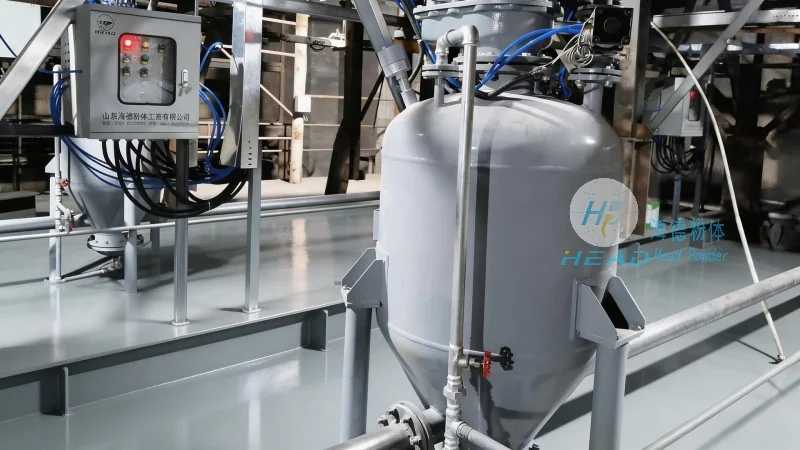
Key Components of Coal and Coke Material Handling Systems
Coal and coke material handling systems typically consist of several key components that work in tandem to ensure smooth material flow. These components include feeders, conveyors, storage silos, and discharge mechanisms. Feeders are responsible for controlling the flow rate of the material from the source, while conveyors transport the material over long distances. Storage silos are used to temporarily store the material before it is further processed or transported to other locations. Discharge mechanisms, such as chutes or unloaders, facilitate the release of the material from the system. Each component is carefully designed to handle the specific characteristics of coal and coke, such as their density, size, and moisture content.
Design Principles for Coal and Coke Conveyors
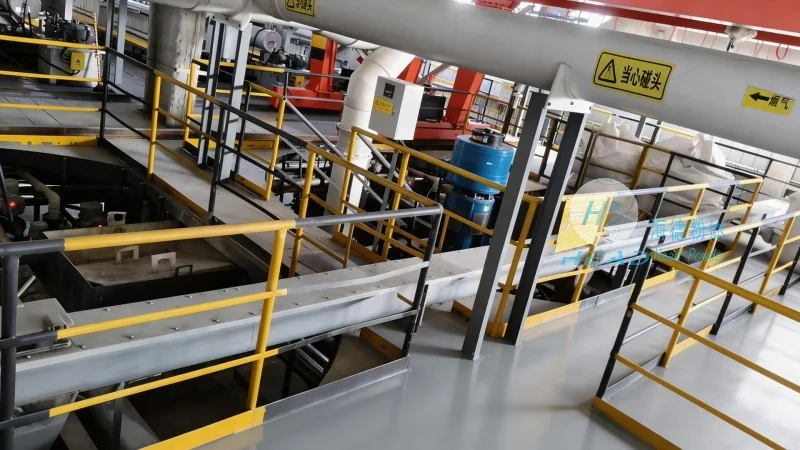
The design of coal and coke conveyors is based on several critical principles that ensure optimal performance and durability. One of the primary principles is the selection of appropriate conveyor types, such as belt conveyors, screw conveyors, or bucket elevators, based on the material's properties and the application requirements. Belt conveyors are commonly used for transporting coal and coke over long distances due to their high capacity and low maintenance costs. Screw conveyors are suitable for horizontal or slight incline transport and are often used in processing plants to move material between equipment. Bucket elevators are ideal for vertical transport, allowing material to be lifted to elevated levels for further processing. The design also considers factors like material loading, speed, and tension to prevent belt slip or damage. Additionally, the use of heavy-duty materials and robust construction is essential to withstand the abrasive nature of coal and coke, which can cause wear and tear on the equipment.
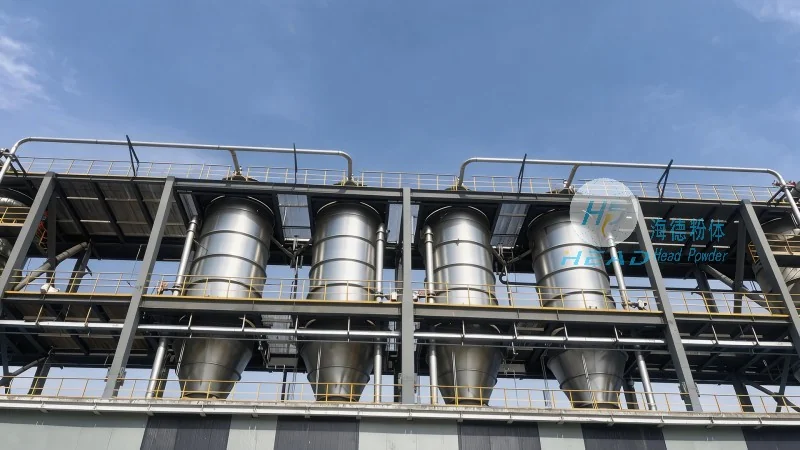
Feeder Design and Operation
Feeders are a critical component in coal and coke material handling systems, as they regulate the flow of material from the source to the conveyor. The design of feeders is tailored to the specific characteristics of the material, such as its bulk density and flowability. Common types of feeders include gravity feeders, vibrating feeders, and rotary feeders. Gravity feeders rely on the material's weight to control the flow rate, making them suitable for materials with good flow properties. Vibrating feeders use vibrations to move the material, ensuring a consistent flow rate even with varying material levels. Rotary feeders, or star feeders, are used to meter the material and prevent overloading the conveyor. The design of feeders also considers factors like material buildup, wear resistance, and ease of maintenance. Proper feeder operation is essential to prevent surges or blockages in the conveyor system, which can lead to production delays or equipment damage.
Storage Silo Design for Coal and Coke
Storage silos are used to temporarily store coal and coke before they are transported to other locations or processed further. The design of storage silos is based on the material's properties and the storage capacity required. Silos are typically made of steel or concrete, with steel being more common due to its durability and resistance to corrosion. The silo structure is designed to withstand the weight of the stored material and the internal pressure generated by the material's flow. The silo is equipped with a hopper at the bottom to facilitate the discharge of the material. The design also considers factors like material flow, air circulation, and safety features, such as explosion relief vents, to prevent the buildup of dust or gas that could lead to explosions. Proper silo design ensures that the material is stored safely and efficiently, with minimal loss or degradation.
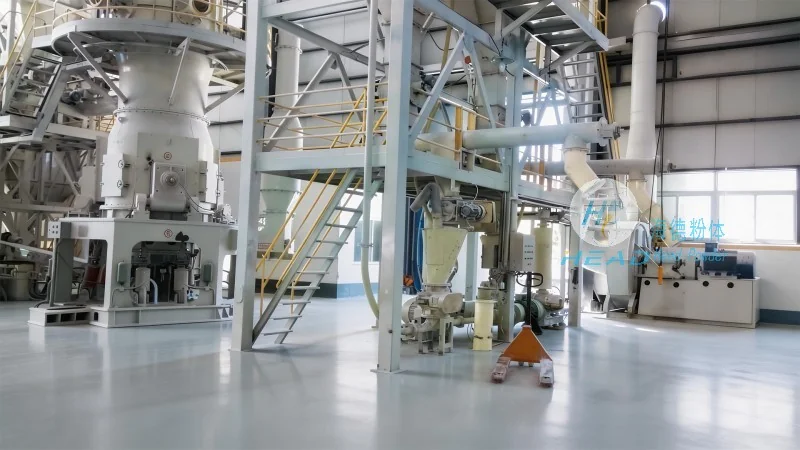
Discharge and Unloading Systems
Discharge and unloading systems are used to release coal and coke from the storage silos or conveyor systems to the next stage of processing or transportation. These systems are designed to handle the material's characteristics, such as its size and moisture content, to ensure smooth and controlled discharge. Common discharge systems include bottom discharge chutes, top discharge hoppers, and rotary valves. Bottom discharge chutes are used for vertical silos, allowing material to flow out through the bottom of the silo. Top discharge hoppers are used for horizontal or inclined silos, with material flowing out through the top of the hopper. Rotary valves are used to control the flow rate of the material from the silo to the conveyor or processing equipment. The design of discharge systems considers factors like material flow, pressure, and wear resistance to prevent blockages or damage. Proper discharge operation is essential to maintain the efficiency of the material handling system and prevent material loss or contamination.
Material Handling Safety and Maintenance
Coal and coke material handling equipment requires regular maintenance and adherence to safety protocols to ensure optimal performance and prevent accidents. Regular inspections are necessary to check for wear and tear on components such as belts, bearings, and conveyor frames. Lubrication of moving parts is crucial to reduce friction and extend the equipment's lifespan. Cleaning of the system is also important to prevent the buildup of dust or material that could cause blockages or fires. Safety features, such as emergency stop buttons, guards, and dust suppression systems, are essential to protect operators and prevent accidents. Proper training of personnel on the operation and maintenance of the equipment is also critical to ensure safe and efficient operation. By following these maintenance and safety guidelines, the equipment can operate reliably and efficiently, minimizing downtime and maximizing productivity.




