Alumina, also known as aluminum oxide, is a widely used industrial material with applications in ceramics, refractories, and chemical processing. The efficient handling and transportation of alumina particles are critical for maintaining production efficiency and ensuring product quality. This article explores the concept of an alumina particle material handling system and delves into its core design principles, highlighting the key components and operational strategies that enable reliable and safe material transport.
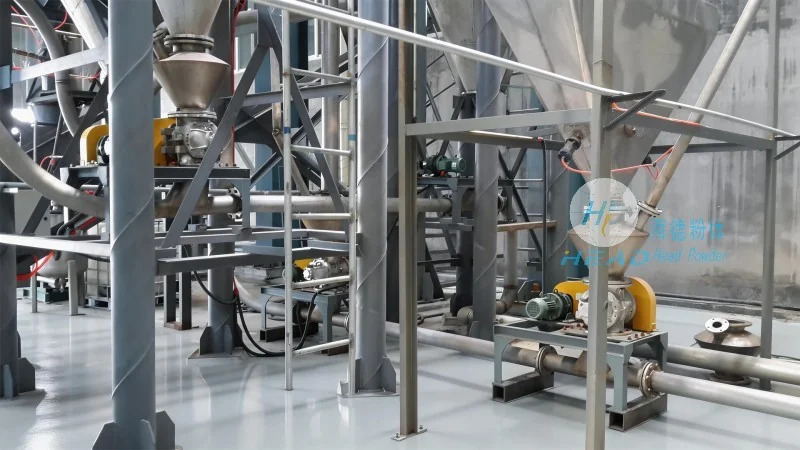
Understanding the Alumina Particle Material Handling System
An alumina particle material handling system is a specialized setup designed to move alumina particles from one location to another within an industrial facility. These systems are essential in alumina production and processing plants, where the material is often used as a raw ingredient or a finished product. The system typically includes various equipment such as feeders, conveyors, and storage vessels, all working in tandem to ensure smooth material flow. The primary goal of such a system is to minimize material loss, prevent contamination, and maintain consistent particle size distribution, which are all critical factors in alumina processing.
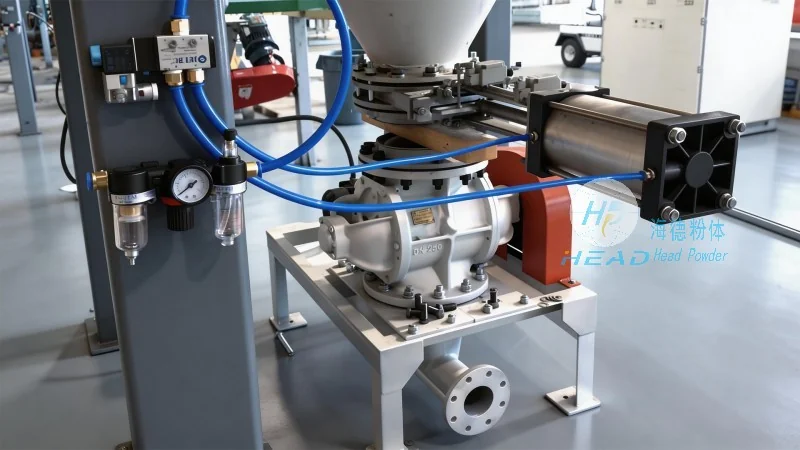
Key Components of the Alumina Particle Handling System
The effectiveness of an alumina particle material handling system relies on its integrated components, each serving a specific function in the material transport process. The main components include:
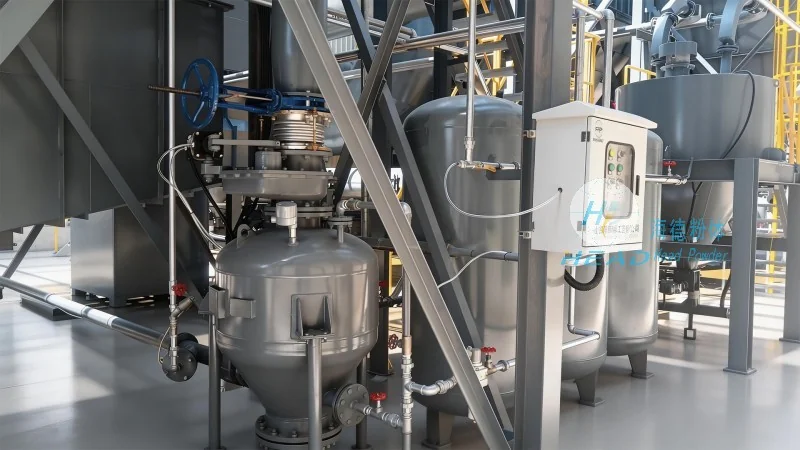
- Feeding Equipment: This equipment, such as rotary valves or screw feeders, is responsible for controlling the flow rate of alumina particles from storage silos or hoppers. It ensures a consistent and controlled feed to the subsequent conveying equipment, preventing overloading or underfeeding that could disrupt the system.
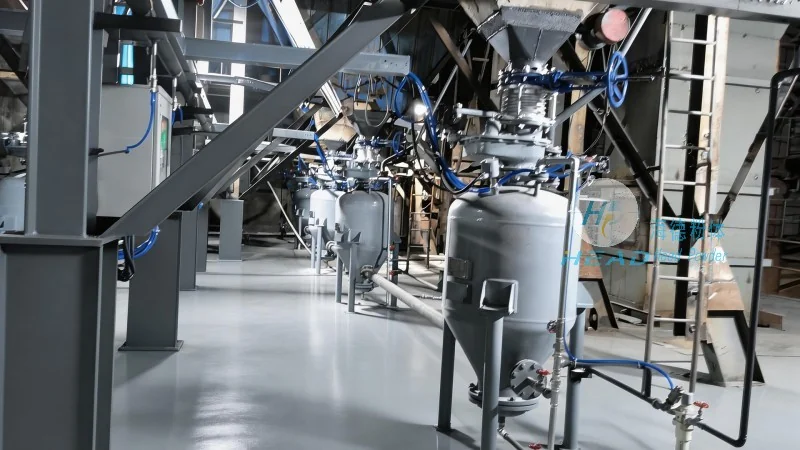
- Conveying Systems: Conveyors are the backbone of the material handling system, responsible for transporting alumina particles over long distances. Common types include belt conveyors, pneumatic conveyors, and bucket elevators. The choice of conveyor type depends on factors like particle size, moisture content, and the required transport distance. For alumina particles, which are often fine and abrasive, pneumatic conveyors are frequently preferred due to their ability to handle dusty materials without the need for mechanical contact.
- Storage and Dosing Equipment: Storage silos or hoppers are used to store large quantities of alumina particles, ensuring a steady supply to the system. Dosing equipment, such as volumetric or gravimetric feeders, regulates the amount of material released to the conveying system, maintaining precise control over the feed rate.
- Control and Monitoring Systems: Modern alumina particle handling systems are equipped with advanced control and monitoring systems. These systems use sensors and automation to track material flow, detect blockages or malfunctions, and adjust operational parameters in real-time. This ensures optimal performance and minimizes downtime, which is crucial for maintaining production efficiency.
Design Principles for Alumina Particle Handling Systems
The design of an alumina particle material handling system follows several key principles to ensure reliability, efficiency, and safety. These principles are tailored to the unique properties of alumina particles, which are often fine, abrasive, and prone to dust generation. The main design principles include:
- Abrasion Resistance: Alumina particles are hard and abrasive, which can cause wear on equipment components. Therefore, the system is designed with materials that can withstand this wear, such as stainless steel or specialized coatings. This ensures the longevity of the equipment and reduces maintenance costs.
- Dust Control: Alumina particles are lightweight and can generate significant dust during handling. Effective dust control measures, such as sealing equipment, using dust collection systems, and implementing proper ventilation, are essential to maintain a safe working environment and comply with environmental regulations.
- Flow Uniformity: Maintaining consistent flow rates is critical for the stability of the entire system. The design incorporates features like adjustable feeders and smooth transitions between equipment to ensure uniform material flow. This prevents surges or fluctuations that could lead to equipment damage or product quality issues.
- Material Separation: In some applications, it may be necessary to separate alumina particles from other materials or contaminants. The system design may include screening or filtering equipment to ensure that only pure alumina particles are transported to the next stage of processing.
- Energy Efficiency: Modern alumina particle handling systems are designed with energy efficiency in mind. This includes using efficient conveying methods, optimizing equipment speed, and minimizing energy consumption in storage and feeding operations. This not only reduces operational costs but also aligns with sustainability goals.
Operational Considerations for Alumina Particle Handling
Once the system is designed and installed, proper operation is essential to ensure optimal performance. Key operational considerations include:
- Regular Maintenance: Alumina particles can cause wear on equipment, so regular maintenance is crucial. This includes inspecting and replacing worn parts, cleaning equipment to prevent buildup, and lubricating moving components. A well-maintained system ensures consistent performance and reduces the risk of breakdowns.
- Material Quality Control: The quality of the alumina particles being handled can affect system performance. Factors such as particle size distribution, moisture content, and impurity levels must be monitored and controlled to prevent issues like clogging or equipment damage.
- System Integration: The alumina particle handling system must be integrated with other parts of the production process, such as mixing, grinding, or packaging equipment. Proper integration ensures smooth material flow and avoids bottlenecks in the overall production line.
- Safety Protocols: Handling alumina particles involves potential safety risks, including dust inhalation and equipment-related injuries. Implementing strict safety protocols, such as using personal protective equipment (PPE), maintaining proper ventilation, and conducting regular safety training, is essential to protect workers and comply with safety regulations.
Conclusion
An alumina particle material handling system is a critical component of any alumina production or processing facility. Its design and operation must be carefully considered to ensure efficient, safe, and reliable material transport. By adhering to the key design principles and operational considerations outlined above, manufacturers can optimize their alumina handling processes, reduce costs, and maintain high product quality. The expertise of companies like Shandong HeadPowder Engineering Co., Ltd., a leading provider of engineering solutions for industrial material handling, plays a vital role in the successful implementation of such systems. With a focus on tailored engineering approaches and adherence to industry standards, Shandong HeadPowder Engineering Co., Ltd. helps clients in China and beyond enhance their alumina processing capabilities, ensuring efficient and safe material handling throughout the production cycle.




