

What is a Quicklime Powder Material Handling System? What are its Design Principles?
Quicklime powder, also known as calcium oxide (CaO), is a widely used industrial material in various sectors such as construction, chemical manufacturing, and environmental treatment. Efficient and reliable material handling systems are crucial for processing and transporting quicklime powder due to its properties like high reactivity and potential dust generation. This article explores the core components, design principles, and operational considerations of quicklime powder material handling systems, with a focus on the engineering solutions provided by Shandong HeadPowder Engineering Co., Ltd. from China.
Key Components of a Quicklime Powder Material Handling System
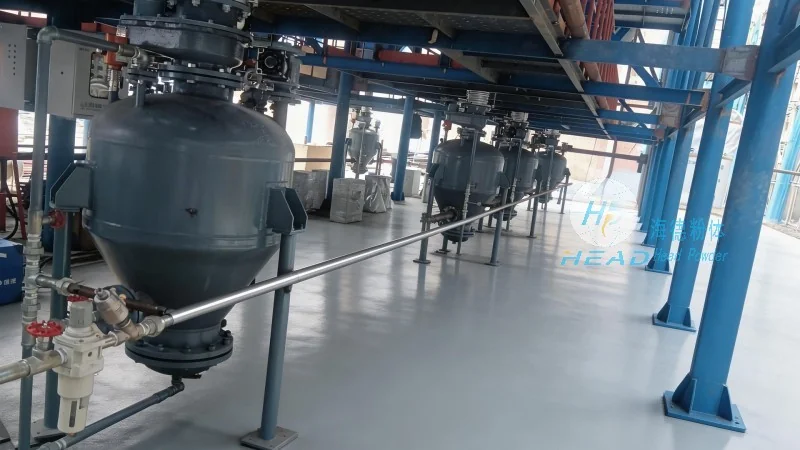
The design of a quicklime powder material handling system typically involves several key components that work in tandem to ensure safe and efficient operation. These components include hoppers or feeders for material storage and feeding, conveyors (such as screw conveyors, belt conveyors, or pneumatic conveying systems) for transporting the powder, and dust control equipment to manage the fine particles and prevent environmental contamination. The choice of components depends on factors like the bulk density of the quicklime powder, the required throughput, and the distance over which the material needs to be transported. For instance, screw conveyors are often used for horizontal or slight incline transport due to their ability to handle bulk materials without the need for external power sources, while pneumatic conveying systems are preferred for long-distance or vertical transport where dust control is critical.
Design Principles for Safe and Efficient Operation
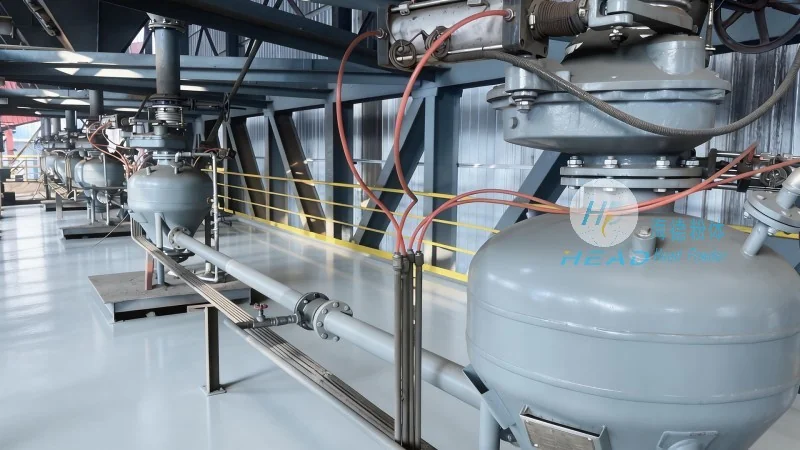
Designing a quicklime powder material handling system requires adherence to several fundamental principles to ensure safety, efficiency, and longevity. One of the primary principles is the prevention of dust explosions, which is achieved through proper dust collection and explosion-proof design of equipment. Quicklime powder is a combustible dust, and according to industry standards like NFPA 652, dust explosion prevention measures must be implemented. This includes using explosion-proof motors, installing dust collection systems with explosion relief vents, and maintaining proper ventilation to keep dust concentrations below the explosive limit. Another key principle is the minimization of material degradation during transport. Quicklime powder can clump or agglomerate when exposed to moisture or excessive friction, which can lead to blockages and reduced system efficiency. Therefore, materials with low friction surfaces, such as stainless steel or coated components, are often used in the design to prevent agglomeration. Additionally, the system must be designed to handle the high reactivity of quicklime powder, which can cause corrosion or chemical reactions with certain materials. Materials like stainless steel or specialized alloys are chosen to resist these reactions and ensure the system's durability.
Operational Considerations and Maintenance
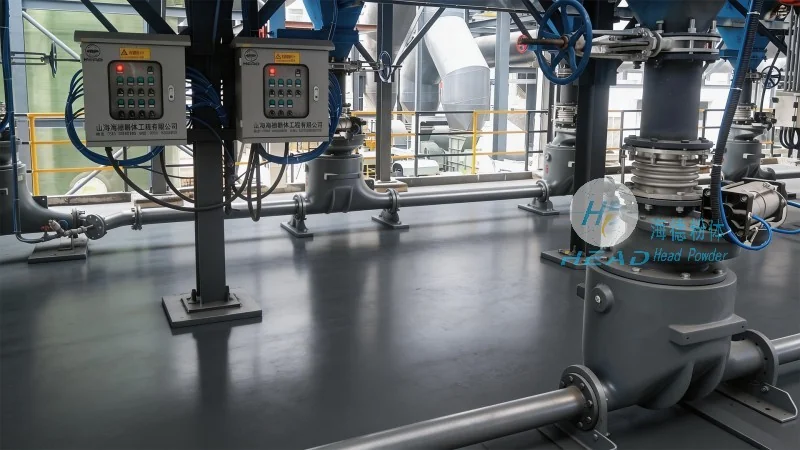
Once a quicklime powder material handling system is installed, proper operation and maintenance are essential to maintain its performance and safety. Regular inspections of components such as hoppers, conveyors, and dust collection systems are necessary to identify and address any issues before they become major problems. For example, checking for wear and tear on conveyor belts, ensuring that the dust collection system is functioning correctly, and monitoring the material flow rate are all part of routine maintenance. Additionally, the system should be designed with accessibility in mind, allowing for easy cleaning and maintenance of components. This includes features like removable hopper covers, accessible conveyor drives, and easy-to-replace filter elements in the dust collection system. Proper training of operators is also crucial to ensure that they understand the safety protocols and operational procedures for handling quicklime powder. Operators should be trained on how to start and stop the system safely, how to handle blockages, and how to respond to emergency situations such as dust explosions or material spills.
Conclusion
Quicklime powder material handling systems are critical for the efficient and safe processing of this important industrial material. The design principles, components, and operational considerations discussed in this article highlight the importance of engineering solutions that prioritize safety, efficiency, and durability. By adhering to industry standards and best practices, companies like Shandong HeadPowder Engineering Co., Ltd. can provide reliable systems that meet the needs of various industries. As the demand for quicklime powder continues to grow, the development of advanced material handling systems will remain a key focus in ensuring the safe and efficient use of this valuable material.